
Trace of the Villa: why quiet tension and unanswered questions matter more than cheap shocks
Trace of the Villa is a slow-burn, mood-driven mystery adventure about Jin’s search for a missing sister inside a remote, decaying mansion—released on 28 May, 2026 from Steadyturtle Co., Ltd. Its emphasis on environmental storytelling, encrypted documents and locked compartments suggests a game built around reading silence and piecing together a deliberately erased past rather than jump-scare spectacle.

Who this is for
If you prefer narrative puzzle design, atmospheric mystery adventure and patient exploration over loud set pieces, Trace of the Villa is aimed at you. Players who enjoy clue-driven investigation, reading environmental details to reconstruct events, and games that build tension through implication rather than explicit threat will find the mansion’s slow unspooling rewarding.
What Trace of the Villa actually is
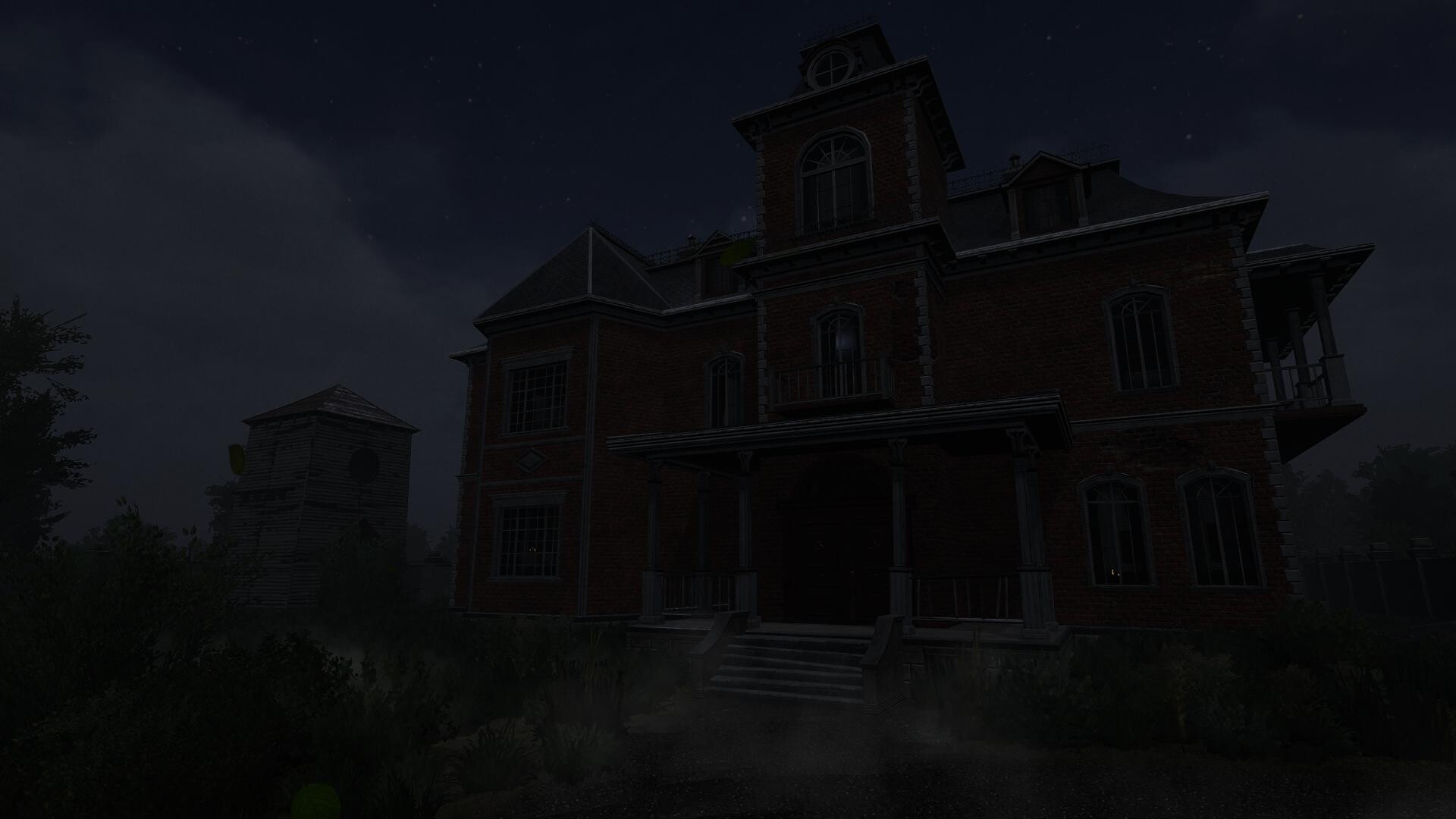
Officially described on Steam, Trace of the Villa follows Jin as he investigates a forgotten estate after a lead suggests his sister may still be alive. The mansion “feels less abandoned than erased”: rooms frozen mid-routine, missing photographs and falsified identities. Restoring power and unlocking secured systems reveal encrypted documents, manifests and suspicious transfer records that point to an organized operation behind the property.
When and where
Trace of the Villa launched on Steam on 28 May, 2026 and is published and developed by Steadyturtle Co., Ltd. The Steam page lists the game under Action, Adventure and Indie, with categories such as Single-player, Subtitle Options, Custom Volume Controls and Playable without Timed Input.
Why quiet tension and uncertainty matter here
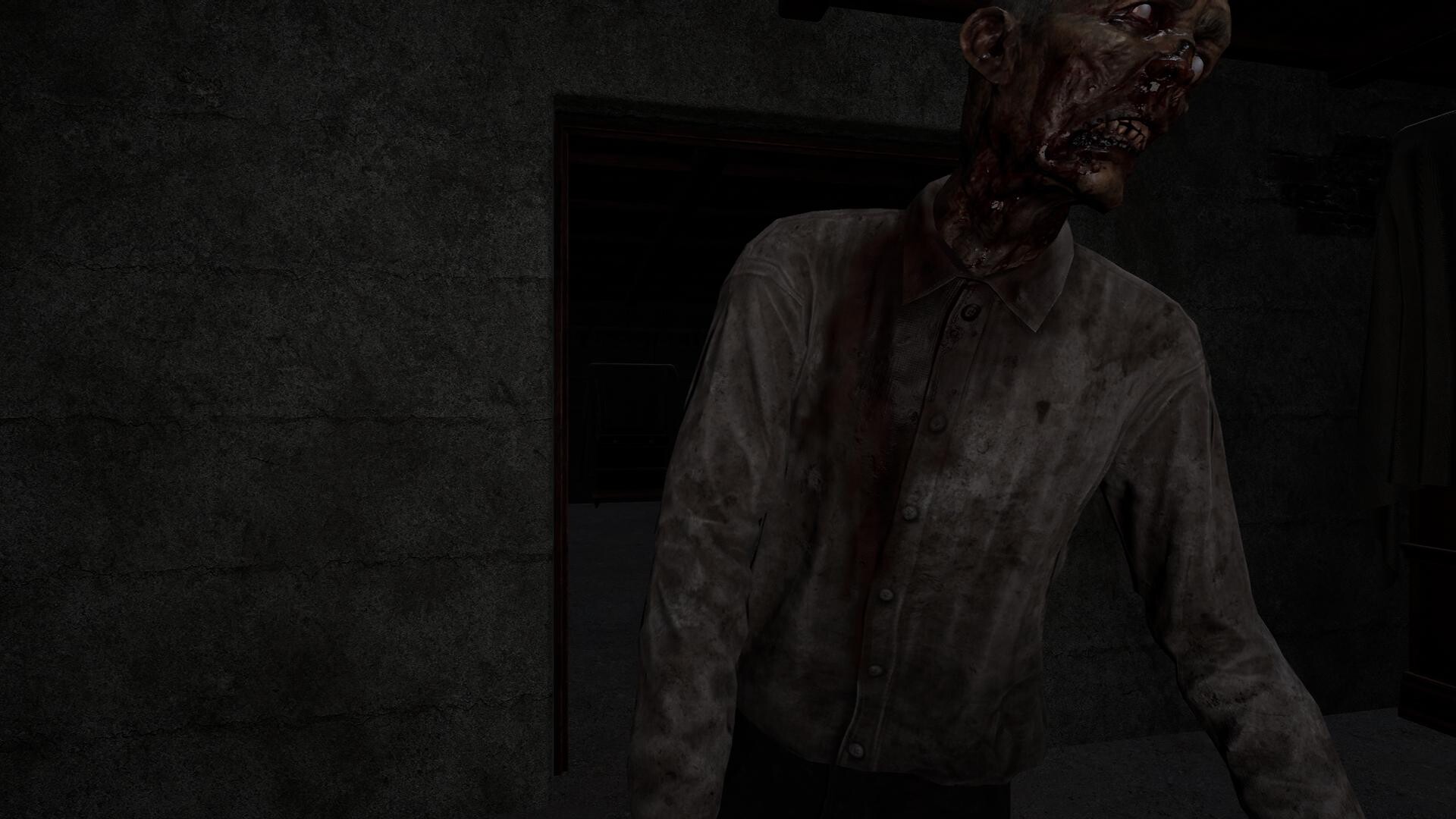
Psychological horror and tension games operate on a spectrum. At one end are high-adrenaline chases and frequent shocks; at the other are titles that cultivate dread with silence, architectural oddities and unanswered questions. Trace of the Villa’s premise—erased identities, sealed safes and financial trails that “lead nowhere”—leans into the latter. That kind of design asks players to supply emotional weight from inference, so every dim hallway, missing photo and partial manifest becomes meaningful.
How you progress: reading the house
The Steam description outlines the mechanics of discovery: restore power, reactivate estate systems and open secured compartments. Puzzles and locked safes yield fragments of encrypted documents and transfer records; each fragment recontextualizes previous discoveries and nudges Jin (the player) down another hallway or behind another locked door. The game is presented as a sequence of investigative beats—environmental storytelling married to puzzle resolution—rather than combat-driven encounters.
Player scenarios — should you wishlist it?
- You like methodical investigation: If you enjoy putting together timelines from small details, this mansion mystery will reward that patience.
- You value atmosphere over shocks: Players who prefer mood-driven dread, where silence and absence create tension, are the intended audience.
- You want story-led puzzles: If narrative puzzle design and clue-driven exploration appeal more than action set pieces, add it to your wishlist.
- You dislike timed reflex challenges: Steam categories list “Playable without Timed Input,” which is reassuring if timed responses unsettle you.
Comparison: where Trace of the Villa sits among mood-driven horrors
| Title | Genre / Core Focus | Atmosphere / Tone | Puzzle / Exploration | Pacing / Player Fit |
|---|---|---|---|---|
| Trace of the Villa | Action, Adventure, Indie — mansion mystery; environmental storytelling | Slow, erased identities; quiet dread | Clue-driven puzzles, power restoration, secured compartments and safes | Slow-burn; for players who prefer investigation and mood over shocks |
| Amnesia: The Dark Descent | Action, Adventure, Indie — first-person survival horror | Immersive, oppressive; designed to chill | Exploration with survival-horror tension | High immersion; players expecting a visceral nightmare experience |
| SOMA | Action, Adventure, Indie — sci-fi horror | Existential, claustrophobic; questions identity and consciousness | Exploration and narrative puzzles in an atmospheric setting | Measured pacing with philosophical tone; for narrative-driven players |
| Layers of Fear (2016) | Adventure, Indie — psychological horror, Victorian mansion | Surreal, unstable; focused on artistic obsession | Environmental puzzles with a shifting house | Story-led and atmospheric; players who like unreliable architecture |
| Poppy Playtime | Action, Adventure, Indie — horror/puzzle adventure | Playful-meets-creepy; toy-factory setting | Puzzle tools and environmental challenges | Faster-paced, gameplay-centered; for puzzle-adventure fans wanting tension |
Note: comparisons focus on atmosphere, puzzle emphasis and player fit rather than review or sales data.
Official visuals
Facts at a glance
| Title | Trace of the Villa |
|---|---|
| Release date | 28 May, 2026 |
| Developer / Publisher | Steadyturtle Co., Ltd. |
| Genres | Action, Adventure, Indie |
| Steam categories | Single-player; Color Alternatives; Custom Volume Controls; Playable without Timed Input; Subtitle Options; Family Sharing |
| Steam reviews | No user reviews |
YouTube discovery
Looking for trailers or gameplay clips? Use this YouTube search path to find posted videos: Search Trace of the Villa on YouTube. The search link is provided for discovery; specific videos should be checked for official source verification.
Where to wishlist / try
Trace of the Villa is available on Steam. If the quiet, investigative style appeals to you, consider adding it to your Steam wishlist:
Steam store page — Trace of the Villa
Editorial disclaimer
Referenced titles and trademarks belong to their respective owners. Comparisons are editorial discovery only and not claims of endorsement or superiority.
Leave a Reply