
Trace of the Villa — an escape-room style mystery built around power, safes, and paper trails
Trace of the Villa casts you as Jin, a man whose years-long hunt for a missing sister leads to a remote, deliberately forgotten mansion where recovered manifests and hints suggest she may still be alive. Restoring the estate’s power is the game’s central mechanical fulcrum: secured systems come back online, safes and compartments open, and fragments of encrypted documents and suspicious transfer records form the clue chains you must read to push the story forward.

| Title | Trace of the Villa |
|---|---|
| Steam AppID | 3483660 |
| Release date | 28 May, 2026 |
| Developer / Publisher | Steadyturtle Co., Ltd. |
| Genres | Action, Adventure, Indie |
| Categories / Features | Single-player; Color Alternatives; Custom Volume Controls; Playable without Timed Input; Subtitle Options; Family Sharing |
Who is this for?
Players who prioritize environmental storytelling and slow-burn suspense over twitch reflexes will find the premise appealing. If you like first-person mystery outings where the central mechanics are investigating rooms, restoring systems, and following paper trails — rather than combat-heavy action loops — Trace of the Villa is aimed at that audience. The “playable without timed input” category signals a puzzle-forward pace that favors methodical thinking and close reading of the world.
What the game is — core premise and mechanical focus
Trace of the Villa puts Jin into a decaying mansion cut off from the grid. The narrative and puzzles are tightly bound to the house’s systems: when you restore power, secured systems reawaken, hidden compartments unlock, and safes yield fragments of encrypted documents and suspicious transfer records. The game frames exploration as investigative work — recovering manifests and interpreting hints — so much of the design centers on chained clues and systems that gate access to the next lead.
When and where — Steam context
Trace of the Villa released on Steam on 28 May, 2026. It is developed and published by Steadyturtle Co., Ltd. and appears on Steam as a single-player Action / Adventure / Indie title with subtitle options, color alternatives, custom volume controls, and family sharing available.
Why the theme matters — locked-room thinking and documentary evidence
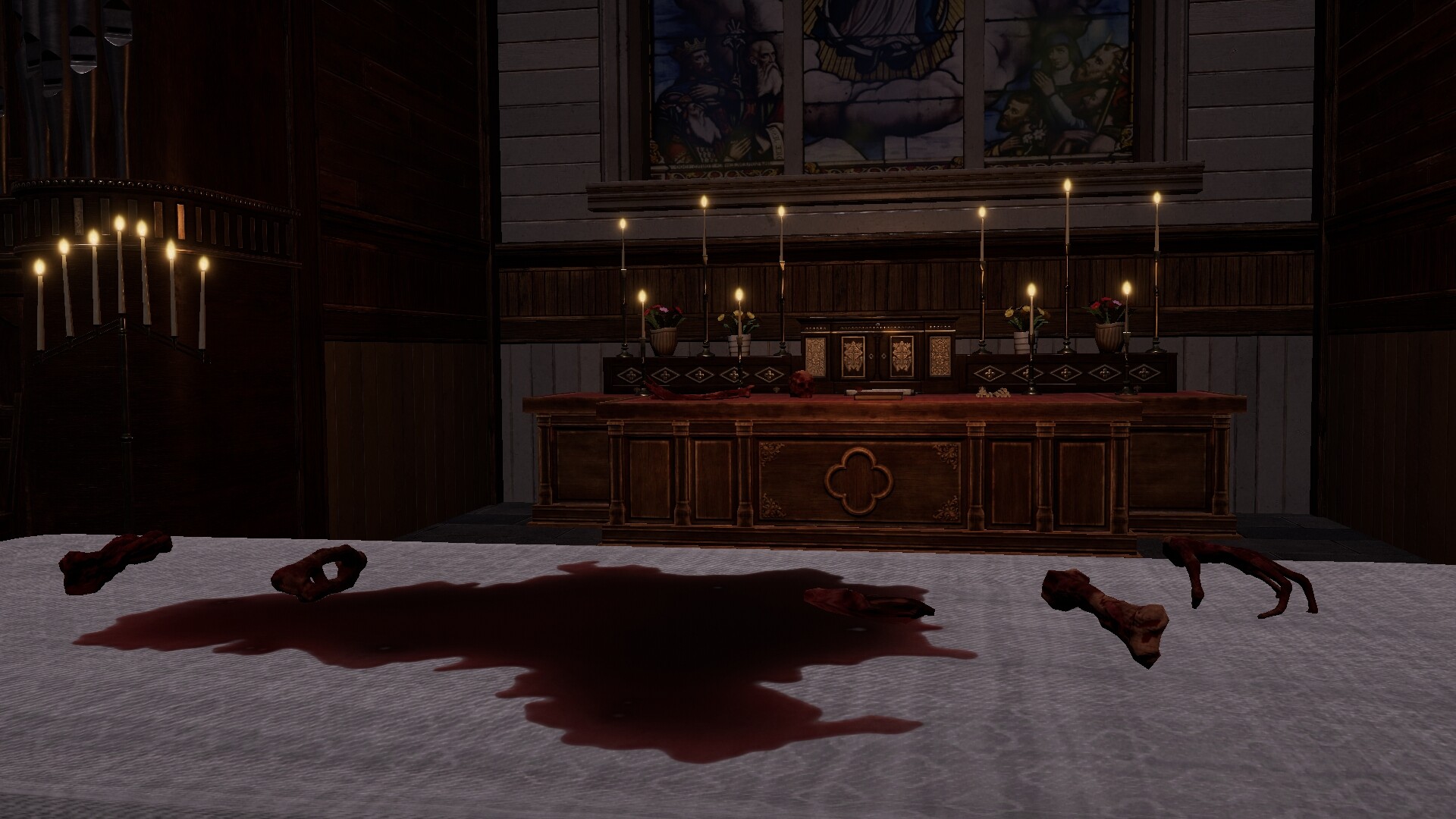
The mansion’s design strips away ordinary identifiers — no photographs, no names — which turns the house itself into a locked-room puzzle. Thematically, that erasure makes documents and system logs the scarce, valuable resources that drive the investigation. Mechanically, it rewards players who read manifests carefully, treat safes and security systems as narrative beats, and accept that the environment is both a repository of clues and a narrative voice in its own right.
How you progress — reading the environment and following clue chains
Progress is literalized through restoration and discovery: power restoration is a gate that converts inaccessible areas into puzzle spaces, and recovered safes and encrypted documents form chained revelations. Expect to switch between piecing together timelines from manifests and operating restored systems to open new avenues of search. That design emphasizes deductive reasoning — you don’t just solve isolated puzzles, you assemble documents, transfer records, and system states into an unfolding narrative hypothesis about who passed through the house and why.

Player scenarios — who should wishlist it
- Solo players who enjoy story-rich investigation and atmospheric mystery adventure rather than fast action.
- Puzzle solvers who like chained clues: information in one container (a manifest, a transfer record) unlocks the next objective.
- Players who value accessibility options (color alternatives, custom volume, subtitles) and dislike pressure from timed inputs.
- Those drawn to slow, ambient tension and environmental storytelling — readers of space and system logs who treat the house like a forensic puzzle.
How it compares — editorial discovery versus nearby puzzle games
| Title | Genre / Focus | Atmosphere & Story Tone | Puzzle / Exploration Style | Player fit |
|---|---|---|---|---|
| Trace of the Villa | Action, Adventure, Indie (Steam single-player) | Decaying mansion, erased identities, investigative tension | System-restoration gating, safes, encrypted documents, clue chains | Steam page
View Trace of the Villa on Steam YouTube discoveryFor trailer and gameplay discovery, use YouTube search rather than relying on unverified embeds: Find Trace of the Villa trailer and gameplay searches on YouTube. Reader decision checklistUse this checklist before deciding whether Trace of the Villa belongs on your Steam wishlist. The game is most relevant if you enjoy reading environmental evidence, following document trails, inspecting rooms for small inconsistencies, and letting a mystery unfold through objects rather than exposition. It is less about instant spectacle and more about the slow pressure of a place that seems to have been deliberately erased. SEO note for discovery-minded playersPlayers searching for atmospheric mystery adventure, clue-driven exploration, mansion mystery game, story-rich indie adventure, psychological investigation game, or narrative puzzle design are likely looking for the same core appeal: a PC game where the setting is not just a backdrop but the main source of evidence. Trace of the Villa fits that search intent because its official Steam premise centers on Jin, his missing sister, a remote mansion, restored systems, hidden compartments, safes, encrypted documents, and a trail of suspicious records. Final player-fit summaryWishlist Trace of the Villa if you want a slow investigation built around official Steam store elements: a 28 May, 2026 release from Steadyturtle Co., Ltd., a single-player PC/Steam mystery structure, official screenshots showing the mansion atmosphere, and a premise that uses the house itself as a puzzle box. The strongest fit is for players who prefer patience, observation, and narrative reconstruction over fast combat or loud horror beats. CommentsMore posts |
Leave a Reply