
Trace of the Villa — a slow-burn mansion mystery for clue-driven explorers
Jin has spent years searching for his missing sister, and Trace of the Villa plants players inside a remote, decaying mansion where recovered manifests and cryptic hints suggest the trail might not be over. The game focuses on environmental storytelling, locked-away records and procedural revelations that reward careful reading and methodical investigation.

Who, what, when, where, why and how — in concrete terms
- Who it is for: Players who prefer story-rich adventure and investigative pacing — people who like piecing together timelines from documents, reactivating systems, and following faint traces rather than instant action beats.
- What it is: Trace of the Villa is an Action / Adventure / Indie title from Steadyturtle Co., Ltd. that places you in a decaying mansion where recovered manifests and encrypted records unspool a larger, hidden operation.
- When/Where: Released on Steam on 28 May, 2026. It’s a PC/Steam release listed with categories such as Single-player, Color Alternatives, Subtitle Options and Playable without Timed Input.
- Why the theme matters: The game’s premise — a house that feels “erased,” rooms frozen mid-routine, and the suggestion of controlled movements and falsified identities — sets stakes that are personal (Jin’s missing sister) and institutional (a larger operation concealed within the estate). That combination pushes players toward forensic empathy: you aren’t just solving puzzles, you’re reconstructing lives.
- How you progress: According to the official description, progression comes from restoring power, bringing systems back online, opening hidden compartments and safes, and decrypting fragments of documents and transfer records. Each recovered clue feeds the next layer of the timeline and uncovers new locked systems and puzzles.
Quick facts
| Title | Trace of the Villa |
|---|---|
| Steam App ID | 3483660 |
| Developer / Publisher | Steadyturtle Co., Ltd. |
| Release date | 28 May, 2026 |
| Genres | Action, Adventure, Indie |
| Categories | Single-player; Color Alternatives; Custom Volume Controls; Playable without Timed Input; Subtitle Options; Family Sharing |
| Official short premise | Jin searches for his missing sister; manifests and hints in a remote, decaying mansion suggest she may still be alive somewhere at the end of the trail. |
What to expect from the narrative hook and emotional stakes
Trace of the Villa frames every clue around a single emotional motor: Jin’s search for a missing sister. The mansion’s “erased” feel — rooms left mid-routine, personal belongings without names or photographs — converts everyday items into narrative prompts. That setup raises emotional stakes because the player is reconstructing identity under pressure: not just who lived here, but why identities were removed and who benefitted from the erasure.
Mechanically, the act of restoring power and unlocking safes ties sensory reward (lights, audio logs, system screens) to narrative payoff. If you respond to atmospheric mystery adventure and gradual, discovery-driven revelation, the game’s pacing and investigative hooks are designed to keep curiosity steadily engaged rather than demanding twitch reactions.
Player scenarios — who should wishlist this
- If you prefer investigative pacing: You enjoy cataloguing notes, following financial traces, and solving encrypted fragments rather than combat-first gameplay. The official description emphasises documents, safes, and systems coming back online — a fit for players who like methodical discovery.
- If you value atmosphere over jump scares: The mansion’s silence and sense of erased identity create slow-burn suspense. If subtle dread and environmental storytelling are your preference, Trace of the Villa’s tone will appeal.
- If accessibility matters: Categories like Subtitle Options, Custom Volume Controls, and Playable without Timed Input indicate the developer considered options for less reflex-oriented play.
- If you want a personal narrative engine: The protagonist’s ongoing search for a sibling keeps stakes intimate. Players motivated by character-driven mysteries — where every unlocked record reshapes what you think happened — should consider adding it to their wishlist.
Two official scenes

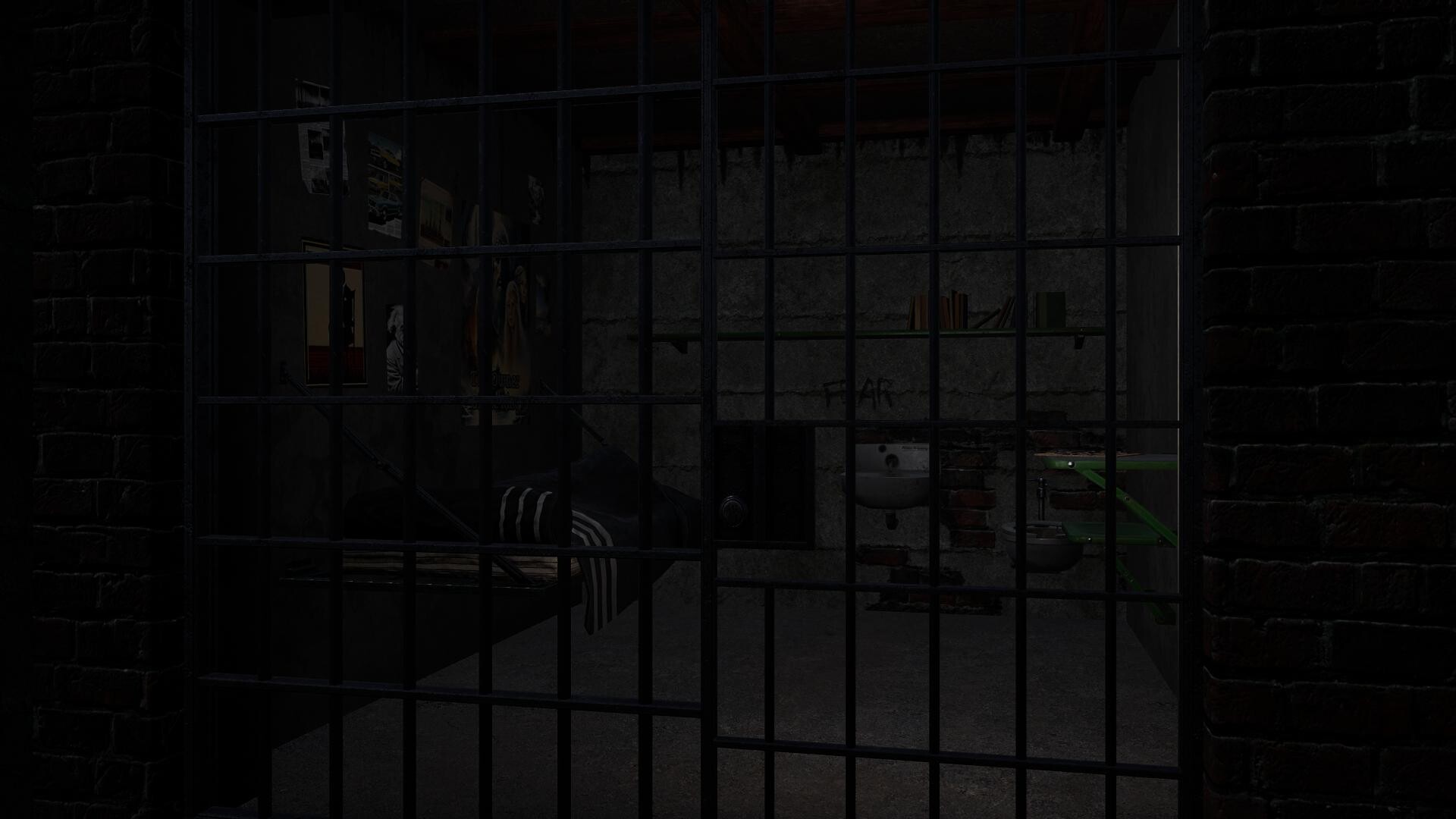
How it stacks up — a concise comparison
| Title | Genre / Core Focus | Atmosphere & Tone | Puzzle / Exploration Style | Player fit |
|---|---|---|---|---|
| Trace of the Villa | Action / Adventure / Indie | Slow-burn mansion mystery, erased identities, procedural revelations | Document-driven clues, restoring systems, safes and encrypted fragments | Players who like investigative, narrative-led exploration with emotional stakes |
| Inscryption | Adventure / Indie / Strategy | Inky, psychological horror with meta-narrative layers | Card-based puzzles, escape-room elements, layered secrets | Players who enjoy meta-structure, tense puzzle loops and psychological reveals |
| Outer Wilds | Action / Adventure | Open-world cosmic mystery, curious and exploratory | Nonlinear exploration of a solar system; discovery through environment and experimentation | Players who favour open-ended exploration and systemic mysteries |
| Journey | Adventure / Indie | Poetic, wordless exploration and emotional forward motion | Minimalist environmental puzzles and traversal | Players seeking contemplative atmosphere and emotional movement over exposition |
| The Forgotten City | Adventure / Indie / RPG | Narrative-driven ancient-mystery with moral and temporal stakes | Dialogue and time-loop puzzles that change outcomes; story-first problem solving | Players who like branching narratives with puzzle-focused moral dilemmas |
Leave a Reply