
Trace of the Villa — an inspection-driven mansion mystery for players who read every object
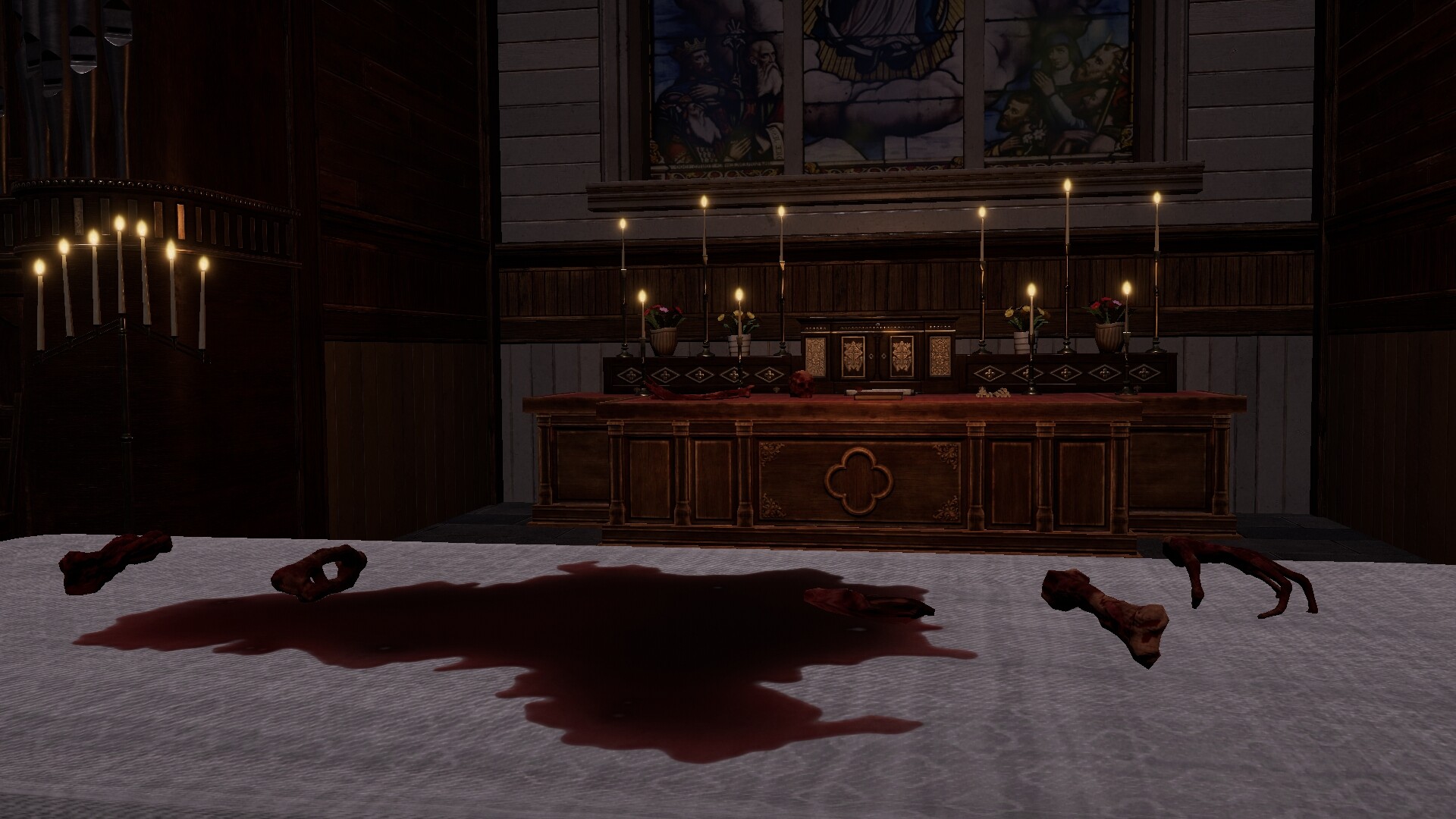
Trace of the Villa is a slow-burn, inspection-heavy mystery that puts object logic and chained clues at the center of its investigation. Released on 28 May, 2026 by Steadyturtle Co., Ltd., it casts you as Jin, a man following a trail of manifests and sealed rooms through a decaying mansion to learn whether his missing sister might still be alive.

| Title | Trace of the Villa |
|---|---|
| Developer / Publisher | Steadyturtle Co., Ltd. |
| Release date | 28 May, 2026 |
| Genres | Action, Adventure, Indie |
| Key Steam categories | Single-player; Color Alternatives; Custom Volume Controls; Playable without Timed Input; Subtitle Options; Family Sharing |
| Steam page | Trace of the Villa on Steam |
Who should wishlist this
If you prize locked-room thinking, object-level logic, and environmental reading over fast combat or cinematic spectacle, Trace of the Villa is explicitly aimed at you. The Steam page lists single-player, subtitle options, and “playable without timed input” — signals that the design favors methodical exploration rather than twitch reaction. Players who enjoy careful note-taking, chaining small discoveries into a larger timeline, and extracting narrative from furnished-but-empty rooms will get the most from Jin’s investigation.
What the game is
Officially described on Steam, Trace of the Villa puts Jin in a remote, decaying mansion after long searches for his missing sister. Inside, rooms look as if occupants vanished mid-routine; locked doors, hidden compartments and encrypted documents reintroduce systems when power is restored. The premise is firmly in the atmospheric mystery adventure space: a story-rich investigation where piecing together manifests, transfer records and falsified identities reveals an operation far larger than a single residence.
When and where
Trace of the Villa released on 28 May, 2026 and is available on Steam for PC. The Steam listing includes features that matter to puzzle players: subtitle options, no need for timed inputs, and family sharing support.
Why the theme matters — object logic and environmental puzzles
What separates a compelling mansion mystery from mere set dressing is how the world enforces inference. Trace of the Villa’s official copy emphasizes restored systems, safes and encrypted documents; that combination signals puzzles built around reading context. Object logic — how a broken radio, a ledger, or a locked cabinet connect to a room’s history — becomes a primary storytelling device. For players who enjoy narrative puzzle design, the payoff is not just a solved lock but a clearer timeline of the estate’s function and the people who were passed through it.
How you progress: inspection-heavy play and clue chains
Progress in Trace of the Villa is described as emerging from restored power and unlocked systems: you restore, inspect, remove obfuscation, then follow the next lead. Expect play that rewards inspection-heavy habits — opening drawers, reading manifests, cross-referencing transfer records, and using discovered artifacts to decrypt the next barrier. That chain-of-evidence structure favors players who think in terms of cause-and-effect and keep a running mental map of where clues point next.

How it compares — quick editorial table
| Title | Puzzle focus | Atmosphere / Tone | Exploration & interaction | Pacing / Player fit |
|---|---|---|---|---|
| Trace of the Villa | Object-level inspection, encrypted documents, chained clue progression | Slow-burn, suffocating mansion mystery | Room-by-room reading; restoring systems opens new interactions | Methodical players who like narrative puzzle design |
| The Room / The Room Two | Tactile object puzzles and mechanical safes | Claustrophobic, mysterious artifacts | Focused, single-encounter puzzle boxes | Players who enjoy handcrafted, tactile puzzle moments |
| Escape Simulator | Highly interactive rooms; item manipulation and physical puzzles | Varied, playful community-made rooms to tense scenarios | Move furniture, pick up and examine everything; strong physics | Good for players who like tactile interaction and community content |
YouTube discoveryFor trailer and gameplay discovery, use YouTube search rather than relying on unverified embeds: Find Trace of the Villa trailer and gameplay searches on YouTube. Reader decision checklistUse this checklist before deciding whether Trace of the Villa belongs on your Steam wishlist. The game is most relevant if you enjoy reading environmental evidence, following document trails, inspecting rooms for small inconsistencies, and letting a mystery unfold through objects rather than exposition. It is less about instant spectacle and more about the slow pressure of a place that seems to have been deliberately erased. SEO note for discovery-minded playersPlayers searching for atmospheric mystery adventure, clue-driven exploration, mansion mystery game, story-rich indie adventure, psychological investigation game, or narrative puzzle design are likely looking for the same core appeal: a PC game where the setting is not just a backdrop but the main source of evidence. Trace of the Villa fits that search intent because its official Steam premise centers on Jin, his missing sister, a remote mansion, restored systems, hidden compartments, safes, encrypted documents, and a trail of suspicious records. Final player-fit summaryWishlist Trace of the Villa if you want a slow investigation built around official Steam store elements: a 28 May, 2026 release from Steadyturtle Co., Ltd., a single-player PC/Steam mystery structure, official screenshots showing the mansion atmosphere, and a premise that uses the house itself as a puzzle box. The strongest fit is for players who prefer patience, observation, and narrative reconstruction over fast combat or loud horror beats. CommentsMore posts |
Leave a Reply