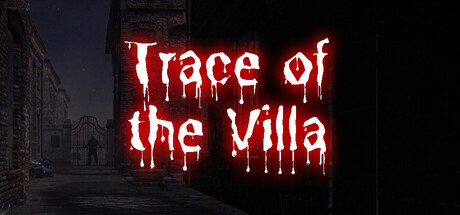
Trace of the Villa — for meticulous investigators who read every room
Trace of the Villa drops you into a decaying, deliberately forgotten mansion where Jin—searching for his missing sister—recovers manifests and hints that suggest she may still be alive. Released on 28 May, 2026 by Steadyturtle Co., Ltd., the game pitches a slow-burn, clue-driven investigation across an estate that feels less abandoned than erased.

Who is this for?
This is for meticulous players, lore readers, and investigation fans who prefer environmental storytelling and slow revelation over instant answers. If you enjoy cataloguing evidence, repairing systems to unlock new narrative layers, and following financial or identity trails piece by piece, this game is aimed squarely at that mindset.
What the game is
Trace of the Villa is an Action / Adventure / Indie title from Steadyturtle Co., Ltd. The official premise positions you as Jin, who has spent years searching for his missing sister and follows a lead to a remote mansion. Inside, rooms look lived-in but identities and records have been stripped away; restoring power and accessing secured systems reveals fragments of encrypted documents, suspicious transfer records, and hints of falsified identities.
When and where
Trace of the Villa released on 28 May, 2026 and is available on Steam for PC. The Steam store entry lists the developer and publisher as Steadyturtle Co., Ltd., and the product is classified under Action, Adventure, Indie with single-player and accessibility-related categories such as Subtitle Options and Color Alternatives.
Why the theme matters
The narrative hook—a mansion that seems “erased” and systems that must be brought back online—positions the game as a study of absence and administrative concealment. Where many mystery games give you a tidy dossier of facts, Trace of the Villa foregrounds missing paperwork, manipulated ledgers, and the slow recovery of systems that reveal a shadowy operation. That tone rewards players who enjoy teasing context out of what’s been intentionally removed.
How you read clues and progress
According to the official description, progress is tied to restoring the estate’s systems and opening secured compartments: turning power back on brings devices back online, safes yield fragments of encrypted documents, and manifests point the way. The game frames investigation as both physical exploration and forensic reconstruction—reading manifests, following suspicious transfer records, and assembling a timeline from partial evidence.
Player scenarios — concrete fits
- The Archive Hunter: You slow-walk each room, cataloguing belongings and testing locked containers. You value documentation and replay areas once new information appears.
- The Systems Restorer: You prioritize bringing power and systems back online to reveal locked logs and encrypted fragments; you enjoy the satisfaction of a previously static space coming alive with new leads.
- The Timeline Builder: You stitch together manifests, transfer records, and identity hints into a chronology—finding meaning in what was hidden rather than in overt scares.
Compact facts
| Title | Trace of the Villa |
|---|---|
| Steam AppID | 3483660 |
| Release date | 28 May, 2026 |
| Developer / Publisher | Steadyturtle Co., Ltd. |
| Genres | Action, Adventure, Indie |
| Notable Steam categories | Single-player; Color Alternatives; Custom Volume Controls; Playable without Timed Input; Subtitle Options; Family Sharing |
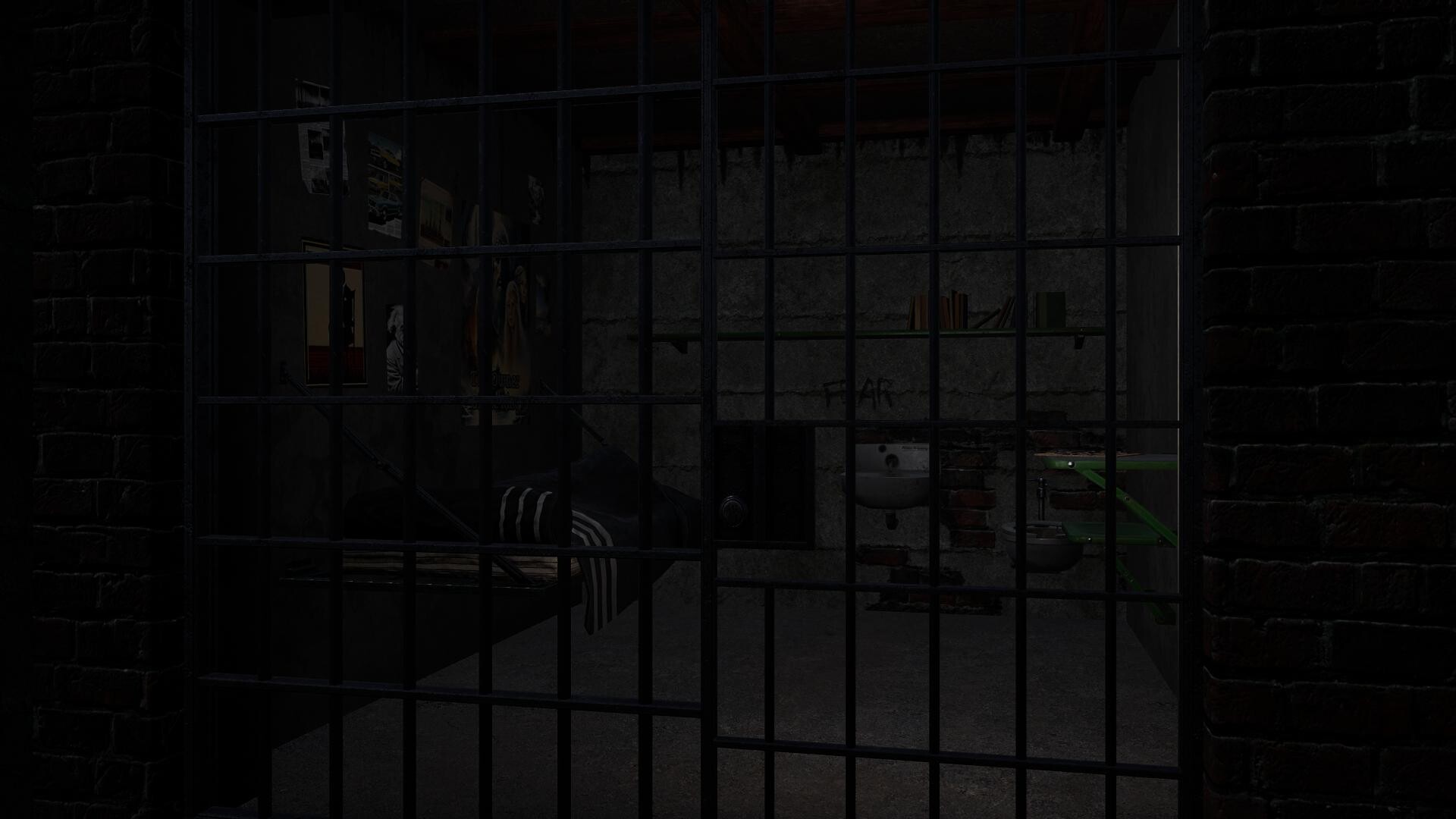
Screenshots — what you’ll be investigating

How it compares — curiosity-driven mystery games
The following table is an editorial comparison on lawful criteria: atmosphere, puzzle focus, exploration style, story pacing, and player fit. It is not an endorsement or a claim of superiority.
| Game | Tone / Atmosphere | Puzzle style | Exploration | Pacing / Player fit |
|---|---|---|---|---|
| Trace of the Villa | Mansion mystery, erased identities, bureaucratic concealment | Clue-driven: manifests, encrypted fragments, guarded compartments | Close-quarters estate exploration; systems restoration unlocks new areas | Slow-burn, for players who piece fragments into a timeline |
| Inscryption | Inky, psychological, meta-horror | Card-based puzzles that hide layered secrets | Constrained, vignette-style progression tied to card systems | For players who like emergent meta-mysteries and puzzle escalation |
| Outer Wilds | Open, curious, cosmic mystery | Observational and experimental puzzles built around astrophysics | Open-world solar system; exploration uncovers timelines | For players who enjoy open-ended discovery and temporal mechanics |
| The Forgotten City | Philosophical, time-loop mystery in ancient settings | Dialogue and temporal puzzles that change outcomes | Level-based exploration with narrative branches | For players who prefer narrative consequences and moral puzzles |
| The Medium | Psychological horror split between realms | Environmental and dual-reality puzzles | Linear areas that shift between real and spirit planes | For players who like atmospheric tension and parallel-reality mechanics |
| Journey | Wordless, meditative, evocative | Exploration-based discovery with simple mechanics | Open, sweeping environments focused on traversal | For players seeking emotional, low-clue exploration |
YouTube discovery
If you want to watch trailers or player videos (useful for pacing cues and ambience), search for Trace of the Villa gameplay and trailer clips here: YouTube search for Trace of the Villa trailer & gameplay. This link is provided as a discovery path; it should not be taken as confirmation of any specific official video.
View Trace of the Villa on Steam
Referenced titles and trademarks belong to their respective owners. Comparisons are editorial discovery only and do not imply endorsement or official connection.
Leave a Reply