
Trace of the Villa: rooms as puzzle spaces and story containers
Trace of the Villa places you in a decaying mansion where rooms are both riddles and repositories of a vanished life — a slow, investigative unraveling driven by clues, object logic, and story puzzles. Developed and published by Steadyturtle Co., Ltd., the game launched on 28 May, 2026 on Steam and centers on Jin’s search for his missing sister as he pieces together manifests, encrypted fragments, and locked secrets inside a property that feels deliberately erased.

Who this game is for
If you prefer atmospheric mystery adventure and slow-burn suspense that privileges reading the room over twitch reflexes, Trace of the Villa is aimed at you. It suits players who enjoy methodical clue-driven exploration, environmental storytelling, and puzzle design that ties object logic to narrative progression. The Steam listing also shows Single-player-friendly accessibility features such as Subtitle Options and Playable without Timed Input, which reinforce a measured, contemplative playstyle.
What Trace of the Villa actually is
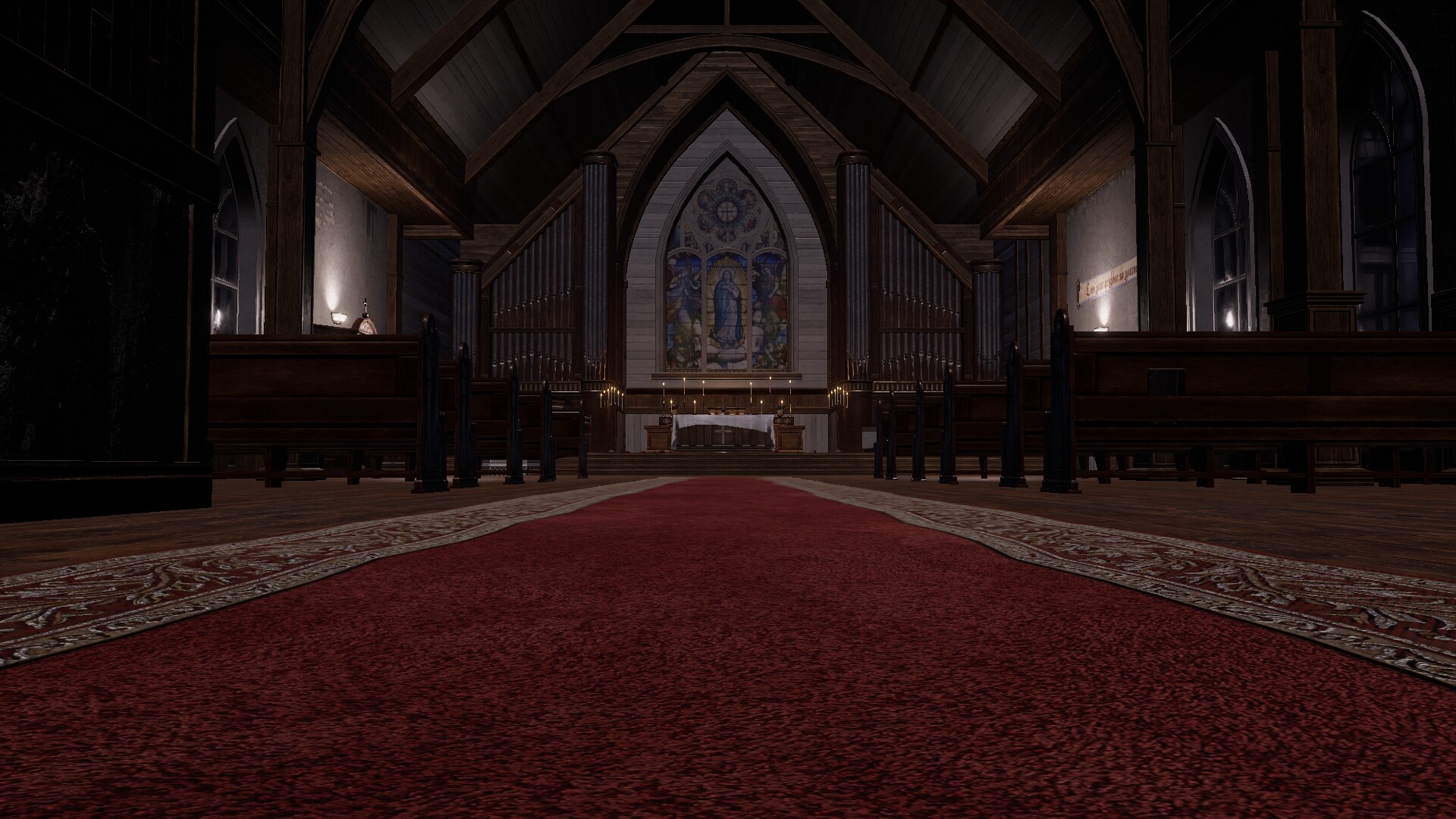
Officially described on Steam, Trace of the Villa follows Jin as he investigates a remote, decaying mansion after recovering manifests and hints that his sister may still be alive. The house is presented as a place intentionally scrubbed of identity—furnished rooms with conspicuously absent photographs or names—and restores its secrets as Jin brings systems back online. Locked doors, safes and encrypted documents form a chain of puzzles that reveal a larger, disturbing operation behind the estate.

When and where: Steam release details
Trace of the Villa released on Steam on 28 May, 2026. The developer and publisher listed on the store page are Steadyturtle Co., Ltd. (PC/Steam context). The Steam appid for reference is 3483660.
Why the mansion-as-room approach matters
Rooms in Trace of the Villa act as concentrated narrative units: they store personal belongings, conceal documents, and hide technical systems that must be reactivated to advance. That design choice turns each chamber into a puzzle space where object logic intersects with storytelling. Restoring power, unlocking safes, and following financial trails are not just mechanical gates — they progressively reveal context about arrivals, departures, and falsified identities. For players who value atmosphere and forensic-style investigation, this ties the act of solving directly to feeling the story unfold.
How you read clues and progress
The Steam description details concrete ways the house yields information: secured systems come back online, hidden compartments unlock, and safes yield encrypted fragments and suspicious transfer records. Those elements suggest a gameplay loop centered on examination, inference, and combining physical-object puzzles with digital or document-based clues. Rather than isolated brainteasers, puzzles appear to be integrated into a chain of discovery where one resolved mystery opens access to the next layer of evidence.
Comparison: where Trace of the Villa sits among puzzle-driven narrative titles
Below is a compact editorial comparison focused on genre, atmosphere, puzzle emphasis, exploration style, story tone, and pacing. These comparisons are drawn from public descriptions and standard editorial criteria, not claims of superiority.
| Title | Genre / Release | Puzzle focus | Atmosphere & Story tone | Pacing / Player fit |
|---|---|---|---|---|
| Trace of the Villa | Action, Adventure, Indie — 28 May, 2026 | Clue-driven investigation, locked doors, safes, restored systems | Mansion mystery, erased identities, forensic unearthed evidence | Slow-burn; for players who enjoy methodical examination and narrative payoff |
| The Room | Adventure, Indie — 28 Jul, 2014 | Mechanical, tactile puzzle boxes and safes | Mysterious, intimate, antique curiosity | Puzzle-centric, focused sessions of box-by-box problem solving |
| The Room Two | Adventure, Indie — 5 Jul, 2016 | Elaborate puzzle sequences, chain reactions across environments | Cryptic and atmospheric, with expanding scope | Similar to The Room but broader environments and layered puzzles |
| Unpacking | Casual, Indie, Simulation — 1 Nov, 2021 | Spatial and object-placement puzzles tied to life-story clues | Quiet, domestic, reflective storytelling by possessions | Relaxed, zen pacing for players who prefer narrative inference from objects |
| Escape Simulator | Adventure, Casual, Indie, Simulation — 19 Oct, 2021 | Highly interactive escape-room mechanics; physics and manipulation | Playful to tense depending on room; community-made variety | Variable pacing; suits both short cooperative sessions and single-player puzzle play |
Player scenarios: should you wishlist it?
Consider wishlisting Trace of the Villa if one or more of these describe you:
- You enjoy environmental storytelling where furniture, letters and digital logs reveal character and motive rather than explicit cutscenes.
- You like investigations that build by reactivating systems, opening safes, and following documents rather than fast-action combat loops.
- You appreciate single-player, subtitle-friendly pacing that removes timed-pressure mechanics and rewards careful reading and object logic.
It might be less suited if you expect rapid-action set pieces or cooperative multiplayer — the Steam page lists the title as Single-player and frames the experience around investigation and narrative puzzle design.
YouTube discovery
If you want to watch trailers or gameplay clips, search for Trace of the Villa on YouTube: https://www.youtube.com/results?search_query=Trace+of+the+Villa+trailer+gameplay. Use this as a discovery path — the store metadata does not assert a specific official video in this article.
Where to find it on Steam
If the premise fits your tastes, the Steam store page is the next
Leave a Reply