
Trace of the Villa — a slow-burn mansion mystery built around clue reading and object logic
Trace of the Villa puts you in Jin’s shoes: years of searching for a missing sister lead to a remote, decaying mansion where manifests and hints suggest she may still be alive. The game blends environmental storytelling, locked-room investigation, and layered puzzles that reveal a larger, unsettling operation as the house gradually “un-erases” itself.

Quick facts
| Title | Trace of the Villa |
|---|---|
| Release date | 28 May, 2026 |
| Developer | Steadyturtle Co., Ltd. |
| Publisher | Steadyturtle Co., Ltd. |
| Genres | Action, Adventure, Indie |
| Steam categories | Single-player; Color Alternatives; Custom Volume Controls; Playable without Timed Input; Subtitle Options; Family Sharing |
| Steam page | Open Trace of the Villa on Steam |
Who this is for
Trace of the Villa is aimed at players who prefer story-rich adventure with an investigative bent: you enjoy reading clues from objects and environments, following procedural breadcrumbs, and solving layered puzzles that reveal narrative threads. If you like atmospheric mystery adventure and slow-burn suspense set in a single, moody location (a mansion in this case), this is aimed at you. The inclusion of options like subtitles, color alternatives, and non-timed inputs also makes it approachable for players who value accessibility while unpacking a complex narrative.
What the game is (and how it plays)
Official premise: Jin has spent years searching for his missing sister, and a lead brings him to a decaying, off-the-grid mansion where manifests and hints suggest she may still be alive. Inside, rooms look as if their occupants vanished mid-routine; locked doors, sealed compartments, and encrypted documents await. As Jin restores power and systems come back online, the house yields fragments—financial trails, falsified identities, and clues that point to a larger, controlled operation.
Mechanically, the experience centers on reading environmental clues, object logic, and piecing together the timeline: restoring power, unlocking safes and secured systems, and interpreting manifests and transfer records to progress. Puzzles serve the narrative rather than acting as isolated obstacles—the act of solving reveals histories and motive, not just keys to the next door.
When and where — Steam/PC context
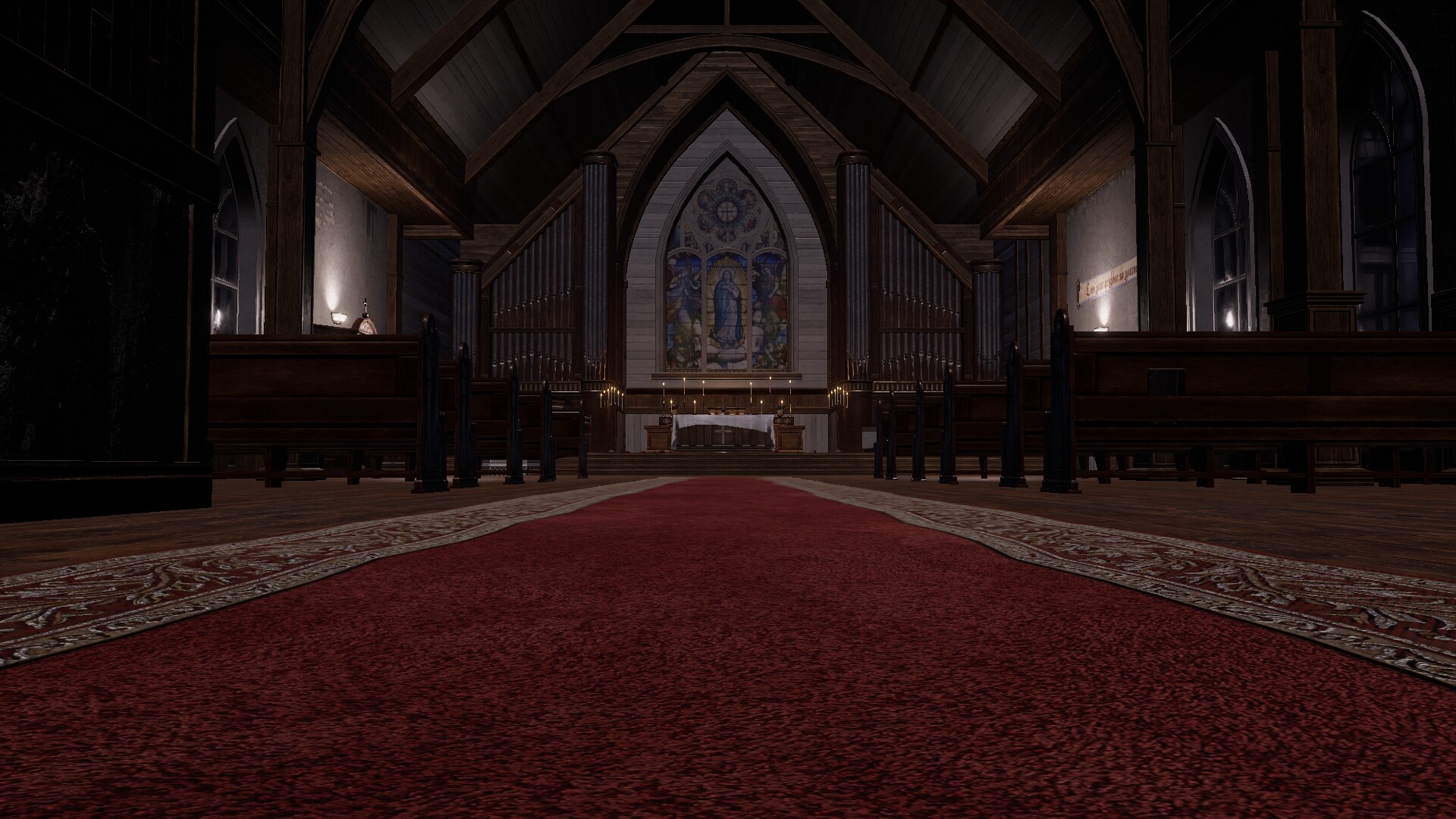
Trace of the Villa released on 28 May, 2026 and is listed on Steam for PC. The Steam page lists developer and publisher as Steadyturtle Co., Ltd. The store listing shows visual assets and screenshots that emphasize the mansion atmosphere and puzzle interfaces; the page also lists accessibility-friendly categories such as Playable without Timed Input and Subtitle Options.
Why the theme matters: identity, erasure, and investigative pacing
The mansion setting doubles as an investigative device: a place that looks “erased” forces players to become archivists—reading objects and dates to reconstruct who was there and what was hidden. That emphasis on manifests, encrypted documents, and falsified identities gives the puzzles narrative weight; you aren’t solving abstract codes so much as reconstructing a life and an operation. For players who want emotional stakes tied to puzzle solutions, that narrative coupling matters.
How clue reading, object logic and story puzzles shape the experience
- Clue reading: Many discoveries come from small, anchored details—manifests, transfer records, or personal items—that change the meaning of rooms. The game rewards careful observation and note-taking as you map connections between documents and locations.
- Object logic: Puzzles rely on realistic object interactions—restoring power, opening safes, using recovered bits of hardware or documents—so solutions feel embedded in the world rather than arbitrary pattern-matching.
- Story puzzles: Each solved puzzle tends to unlock story fragments: names removed from albums, security logs reactivating, or encrypted notes that reveal operations. This sequencing makes the pace feel like peeling back layers; the narrative motive for solving is as important as the solution itself.

Player-fit scenarios — who should wishlist this
- You like narrative-first puzzle games: If you want puzzle solutions to advance an investigation and reveal motives, the narrative-puzzle coupling here will feel rewarding.
- You prefer environmental mystery over fast action: The mansion’s slow reveal and emphasis on document fragments suit players who enjoy measured discovery rather than constant combat or timed sequences.
- You savour object-focused detective work: If reading manifests, cross-referencing records, and repurposing found objects to trigger systems appeals to you, this fits your playstyle.
- You want accessibility options: The Steam listing includes categories like Playable without Timed Input, Subtitles, and Color Alternatives—useful for players who need those accommodations while engaging a dense story.
How it compares to nearby mystery/puzzle games
The table below compares Trace of the Villa to a few reference titles on lawful editorial criteria: genre, atmosphere, puzzle focus, exploration style, pacing, and player fit. These comparisons are meant to help you decide which experience is closest to your taste, not to rank or endorse.
| Game | Genre | Atmosphere | Puzzle focus | Exploration style | Pacing / Player fit |
|---|---|---|---|---|---|
| Trace of the Villa | Action / Adventure / Indie | Mansion mystery; erased identities; slow-burn tension | Clue reading, object logic, story-linked puzzles (safes, manifests, systems) | Single-location mansion with layered reveals | Players who want narrative-driven investigation and methodical pacing |
| The Room | Adventure / Indie | Intimate, mechanical, tactile mystery | Tactile object puzzles centered on a single safe/chain of devices | Focused, self-contained chambers | Players who like hands-on puzzle boxes and tactile mechanics |
| The Room Two | Adventure / Indie | Cryptic, atmospheric, puzzle-led journeys | Layered mechanical puzzles with narrative clues | Series of interconnected rooms and set pieces | Players seeking structured puzzle progression and atmosphere |
| Escape Simulator | Adventure / Casual / Indie / Simulation | Highly interactive, room-scale escape scenarios | Environment interaction with physics and object manipulation | Many standalone escape rooms; community-created levels | Players who enjoy tactile experimentation and cooperative solving |
| Unpacking | Casual / Indie / Simulation | Zen, domestic, reflective | Object placement as narrative clue — life reconstruction | Sequential domestic spaces; story told through items | Players who prefer slow, non-confrontational storytelling via objects |
Where to find trailers and gameplay clips
For trailers and player videos, search YouTube using this query:
YouTube discovery
For trailer and gameplay discovery, use YouTube search rather than relying on unverified embeds: Find Trace of the Villa trailer and gameplay searches on YouTube.
Leave a Reply