
Trace of the Villa: when clue-reading and object logic turn a mansion into a slow-burn investigation
Trace of the Villa asks you to treat every ledger, locked door, and flicker of power as evidence — not spectacle. Developed and published by Steadyturtle Co., Ltd., the game centers on Jin, a man following fragmented manifests and encrypted leads through a decaying mansion to a possible clue about his missing sister.

What Trace of the Villa is
Trace of the Villa is an atmospheric mystery adventure on Steam (PC) that blends environmental storytelling with clue-driven exploration. The official Steam description frames it as Jin’s search for his missing sister inside a remote, deliberately forgotten mansion where restored power and unlocked systems reveal encrypted documents, hidden compartments, and suspicious transfer records. The game appears in Steam’s Action / Adventure / Indie categories and targets single-player players who prefer narrative puzzle design over action spectacle.
Who this is for
- Players who prefer slow-burn suspense and investigative pacing over high-octane combat.
- Fans of narrative puzzle adventures that reward document reading, inference, and piecing together timelines from small details.
- Those who enjoy environmental mystery — rooms that feel “erased” rather than simply abandoned — and puzzles that glue story beats to mechanical progression (unlocking safes, restoring systems, decrypting fragments).
When and where
Trace of the Villa released on Steam on 28 May, 2026. It’s listed as a single-player PC title on Steam and includes accessibility options such as color alternatives, custom volume controls, subtitle options, and settings to play without timed input.
Why the theme matters
The game’s central conceit — a residence used as part of a larger, concealed operation — makes clue reading feel consequential. Rather than puzzles as obstacles, documents, manifests, and security logs are the story’s scaffolding: each decrypted fragment shifts the timeline and the player’s theory about what happened. That emphasis on reading objects as narrative evidence gives the mansion a forensic quality; you’re not simply solving puzzles, you’re reconstructing events from material traces.
How you progress: clue reading, object logic, and story puzzles
Official copy highlights gameplay beats you should expect: restoring power to the estate brings systems back online, hidden compartments unlock, and safes yield fragments of encrypted documents and suspicious transfer records. That sequence tells you two important design choices:
- Clue reading is not optional flavor — manifests and fragments are primary progression tools that change what rooms and systems become available.
- Object logic is spatial and cumulative — solving one area’s problem (power, locks, encrypted files) alters other areas, creating a puzzle web rather than isolated setpieces.
So if you enjoy methodically following a paper trail and using environmental clues to deduce codes, identities, or motives, the design of Trace of the Villa will feel intentional and rewarding.
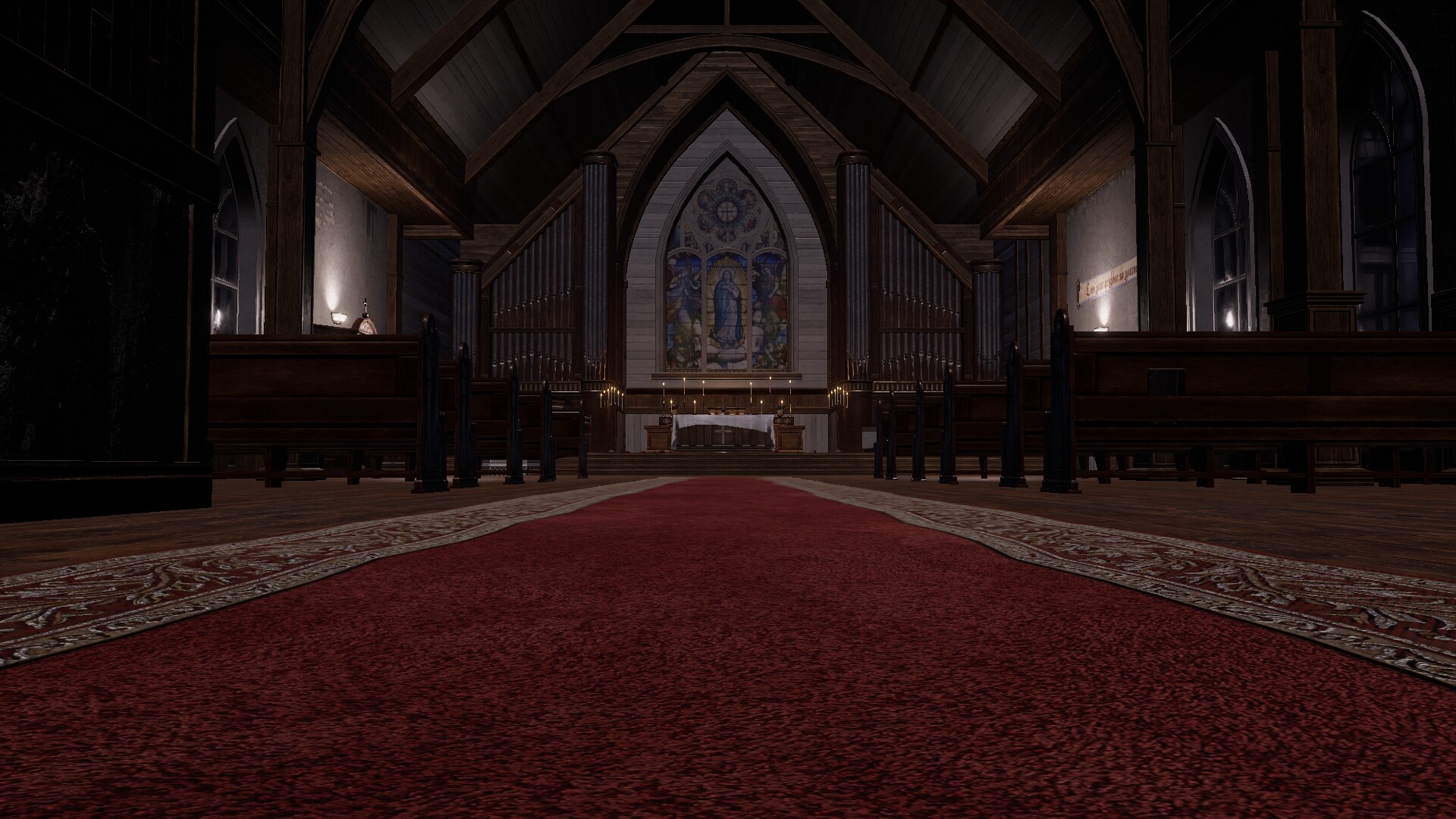

Player scenarios — who will get the most from Trace of the Villa
- The methodical detective: You like jotting notes, linking documents, and building a timeline. You’ll value how returning power and unlocking safes changes the map and your theory.
- The atmospheric explorer: You prefer pacing that lets you soak in rooms and read objects rather than rushing to an ending. The mansion’s “erased” feel and missing personal records will be the draw.
- The narrative-first puzzler: You accept that puzzles are narrative devices — solving them reveals story fragments rather than just gates to more puzzles.
- Not for you if: you want constant action, quick reflex challenges, or multiplayer co-op — Trace of the Villa is single-player and framed around investigation rather than combat or social puzzle rooms.
Compact facts — Trace of the Villa
| Title | Trace of the Villa |
|---|---|
| Steam appid | 3483660 |
| Release date | 28 May, 2026 |
| Developer / Publisher | Steadyturtle Co., Ltd. |
| Genres | Action, Adventure, Indie |
| Key categories / features | Single-player; Color Alternatives; Custom Volume Controls; Playable without Timed Input; Subtitle Options; Family Sharing |
| Official premise | Jin investigates a remote, decaying mansion and recovers manifests and hints that indicate his missing sister may still be alive. |
How it compares — short editorial table
| Title | Puzzle focus | Atmosphere / tone | Exploration & pacing | Player fit |
|---|---|---|---|---|
| Trace of the Villa | Reading manifests, restoring systems, unlocking safes and encrypted fragments | Slow-burn, tense, forensic mansion mystery | Linear-but-iterative: restoring power opens new interactions | Investigative players who prefer narrative-first puzzles |
| The Room (series) | Mechanical, tactile puzzle boxes and layered physical contraptions | Mysterious and intimate — a focus on single-object curiosity | Shorter, focused chambers with tight puzzle design | Players who love intricate physical puzzles and immediate tactile payoff |
| Escape Simulator | Highly interactive escape-room puzzles with physics and item use | Varied — from playful to tense depending on the room | Room-by-room, often faster tempo and possibility for co-op | Those who want interactive object manipulation and community rooms |
| Unpacking | Object-placement as storytelling, low-stakes puzzle logic |
Steam pageView Trace of the Villa on Steam YouTube discoveryFor trailer and gameplay discovery, use YouTube search rather than relying on unverified embeds: Find Trace of the Villa trailer and gameplay searches on YouTube. CommentsMore posts |
Leave a Reply