
Trace of the Villa — a premise‑first narrative guide for story seekers
Jin has spent years searching for his missing sister; a new lead points him to a remote, decaying mansion where manifests and hints suggest she might still be alive at the end of the trail. Trace of the Villa frames its tension around erased identities, locked rooms, and a house that reveals itself only after power is restored — ideal reading for players who want story context without spoilers.

Quick facts
| Title | Trace of the Villa |
|---|---|
| Release date | 28 May, 2026 |
| Developer | Steadyturtle Co., Ltd. |
| Publisher | Steadyturtle Co., Ltd. |
| Genres | Action, Adventure, Indie |
| Categories / Features | Single-player; Color Alternatives; Custom Volume Controls; Playable without Timed Input; Subtitle Options; Family Sharing |
| Steam appid | 3483660 |
Who is this for?
Players who prize atmospheric mystery adventure and environmental storytelling over explicit exposition will find the premise appealing: someone lost, a property deliberately forgotten, rooms that feel “erased” rather than merely abandoned. If you like slow‑burn suspense, clue‑driven exploration, and narrative puzzle design where documents, secured systems and fragmented manifests build the story, add this to your wishlist.
Accessibility and pacing notes from the Steam page: the game is single‑player, offers subtitle options, color alternatives, custom audio controls, and is marked as playable without timed input — useful signals for players who prefer deliberate investigation to twitchy reactions.
What the game is (premise, no spoilers)
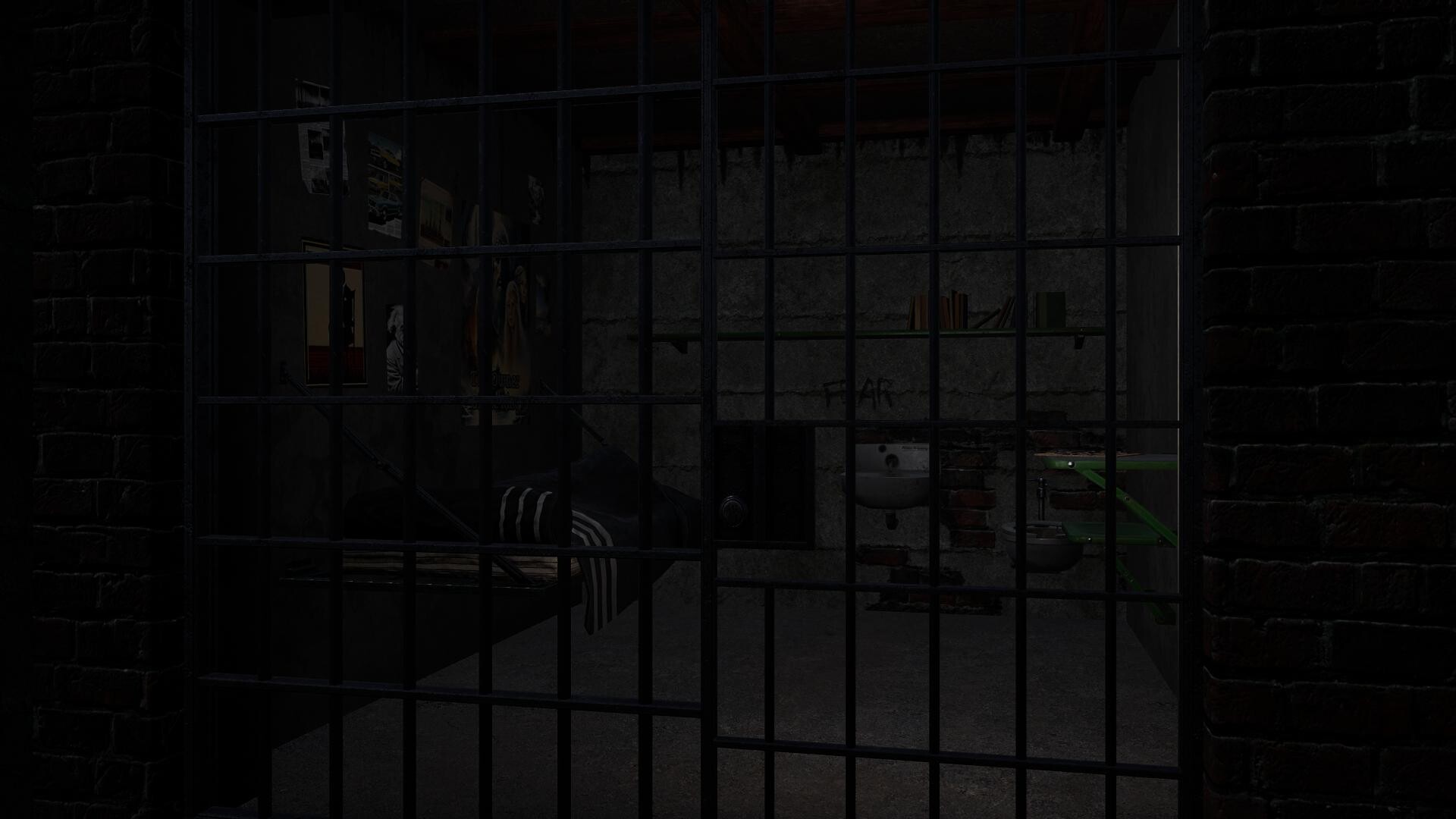
Trace of the Villa centers on Jin, who follows a lead to a remote mansion cut off from the grid. Inside, rooms are furnished but missing identifying markers — no photographs, no names — evoking a place where identities were erased. When Jin restores power, secured systems come back online, hidden compartments unlock, and safes reveal fragments of encrypted documents and suspicious transfer records. The official description emphasizes financial trails that lead nowhere, falsified identities, and evidence of tightly controlled movements; the mansion is portrayed less as a home and more as part of a larger, concealed operation.

When and where (Steam / PC context)
Trace of the Villa released on Steam on 28 May, 2026. It’s listed as an Action / Adventure / Indie title on the Steam store and is distributed by the developer/publisher Steadyturtle Co., Ltd.
If you want to visit the Steam store page: Trace of the Villa on Steam.
Why the theme matters
The setup — a manor where identities appear intentionally stripped away — positions the game as a psychological investigation as much as an exploration puzzle. That makes the theme about memory, control, and reconstruction rather than jump scares or straightforward combat. For players who enjoy piecing a narrative together from physical clues and administrative oddities (manifests, encrypted records, transfer logs), this premise promises incremental revelations that change your reading of what the mansion was used for.
How you progress: reading clues and revealing the backstory
According to the official description, progression hinges on restoring systems and uncovering secured materials: powering the estate brings locked systems online, hidden compartments open, and safes produce fragments. Expect environmental storytelling — rooms that suggest routines interrupted — and document‑driven mystery where encrypted fragments and manifest entries are the primary connective tissue. The game frames investigation through uncovering layers of a “carefully concealed operation” rather than through overt narrator exposition.
That focus suggests gameplay loops oriented around exploration, puzzle solving to access sealed areas, and assembling a timeline from distributed data — a reading experience for players who prefer methodical deduction over fast‑paced action.
Player scenarios: who should wishlist this
- You like slow, methodical mysteries: If you prefer atmospheric mansion mysteries and assembling narrative from items, documents, and systems coming back online, this fits your taste.
- You want accessible pacing: The Steam listing includes “Playable without Timed Input” and subtitle options — signals for those who favor exploration without pressure.
- You enjoy investigative puzzles with narrative weight: Players attracted to environmental storytelling and clue‑driven reveals (encrypted files, manifests, transfer records) should be interested.
- You dislike heavy multiplayer or fast reflex demands: This is a single‑player, story‑focused experience rather than a multiplayer or spectacle action title.
How it compares (compact editorial table)
Comparisons are editorial and based on genre, atmosphere, puzzle focus, exploration style, story tone and pacing from publicly available descriptions.
| Title | Genre / Core tone | Puzzle / Exploration focus | Pacing / Story style | Who might prefer it over Trace of the Villa |
|---|---|---|---|---|
| Inscryption | Adventure / Indie / Strategy — inky, card‑based psychological horror | Deckbuilding + escape‑room style puzzles blended with meta secrets | Dense, layered revelations with strong meta and card mechanics | Players who want puzzle systems tightly integrated with core mechanics and heavy meta narrative elements |
| Outer Wilds | Action / Adventure — open world mystery, exploratory | Exploration of a small solar system, inference from environment and events | Patient, discovery‑driven, cyclical time loop structure | Players who prefer open exploration and systemic mysteries over a single manor‑focused narrative |
| The Medium | Adventure — psychological horror, dual‑realm exploration | Scene puzzles with parallel world mechanics and narrative horror | Atmospheric, psychological with a focus on story and mood | Players who want psychological horror and dual‑realm storytelling rather than document‑driven investigation |
| The Forgotten City | Adventure / Indie / RPG — narrative time loop mystery | Dialogue and consequence puzzles with ethical stakes and replay | Narrative‑heavy, looped investigation with moral decision points | Players who seek moral/branching narratives and time‑loop mechanics over mansion exploration |
Leave a Reply