Trace of the Villa — how locked-room logic and clue chains shape its mystery
Trace of the Villa casts you as Jin, whose search for a missing sister leads into a deliberately forgotten mansion where fragments of identity and encrypted documents stitch together a larger secret. Released 28 May, 2026 by Steadyturtle Co., Ltd., the Steam listing frames the experience as a story-rich, environmental puzzle adventure that favors reading rooms and chaining object clues over fast reflexes.

Who this is for
If you favor atmospheric mystery adventure and slow-burn suspense over twitch action, Trace of the Villa is pitched toward players who enjoy methodical investigation: people who like parsing environmental storytelling, tracking clue chains across rooms, and solving logic-driven puzzles that unlock narrative beats. It also suits solo players—Steam categorizes the title as Single-player—and those who prefer playable experiences without timed input (the store lists “Playable without Timed Input”).
What the game is
Official short description: “Jin has spent years searching for his missing sister, pursuing leads that took him to a remote, decaying mansion where he recovered manifests and hints that indicate his sister may still be alive, somewhere at the end of the trail he is about to follow.”
The longer official description on Steam adds that the mansion feels “less abandoned than erased,” and that restoring power and unlocking secured systems reveals fragments of encrypted documents, suspicious transfer records, and falsified identities. The game is listed in the Steam genres as Action, Adventure, Indie and includes accessibility and UI categories such as Color Alternatives, Custom Volume Controls, Subtitle Options, and Family Sharing.
When and where
Trace of the Villa released on 28 May, 2026 and is published and developed by Steadyturtle Co., Ltd. Its Steam store page is the primary place to see official assets, platform-specific options, and purchase or wishlist the title.
Why the mansion setting matters
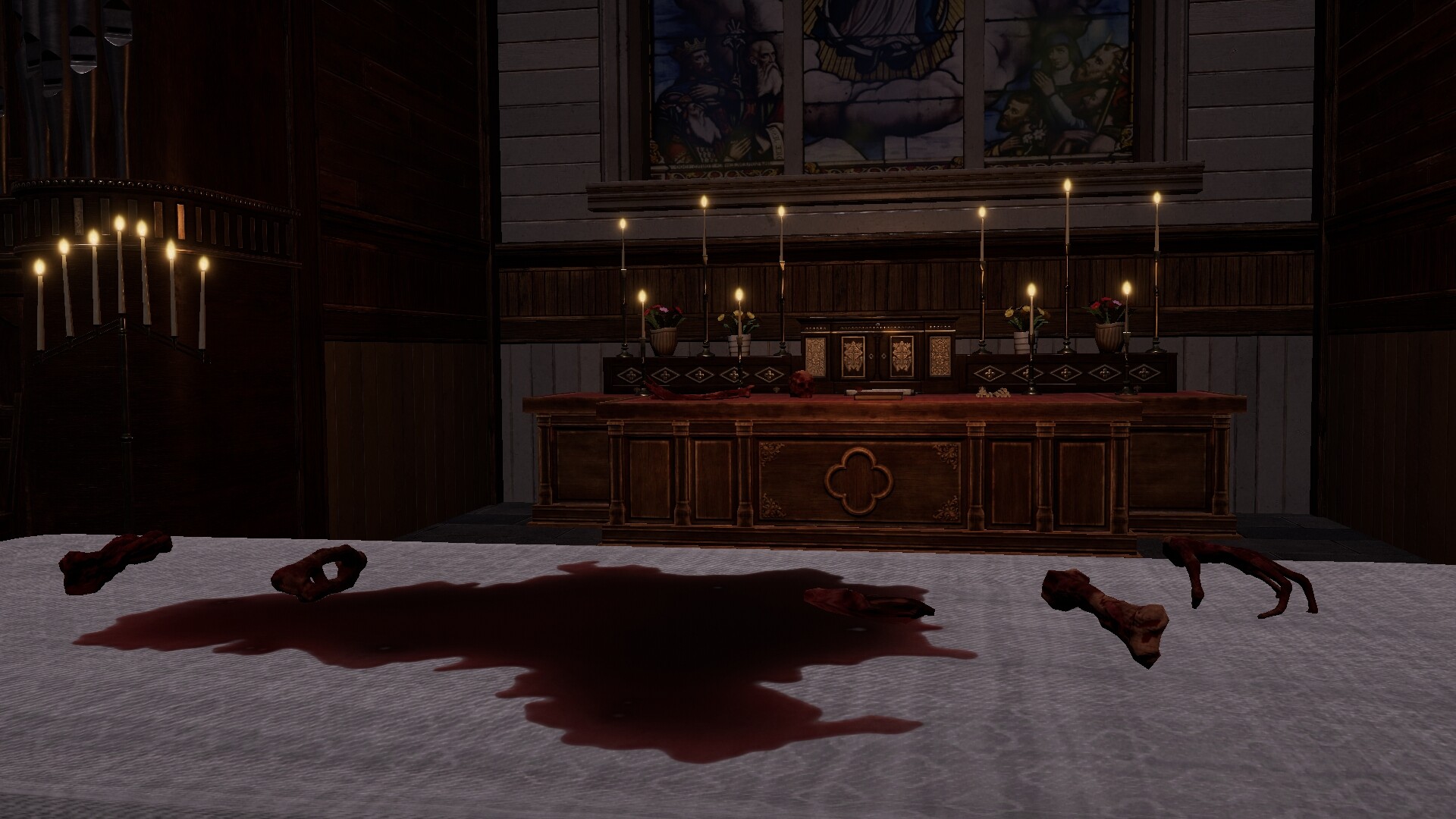
The decaying, off-grid mansion is not window dressing here: the Steam description emphasizes erased identities, sealed rooms, and secured systems that only reveal their contents once you reconnect power or unlock safes. That design naturally encourages locked-room thinking—the idea that a closed environment contains all the elements you need to reason a solution—while tying puzzle outcomes directly to narrative revelation. Thematic weight comes from finding personal traces (manifests, transfer records) rather than combat trophies, so atmosphere and implication do a lot of the storytelling work.
How you read clues and sustain momentum
From the store text and categories, Trace of the Villa seems built around two complementary puzzle rhythms:
- Object-clue chaining: small discoveries (a manifest entry, an encrypted fragment, a safe combination) point to the next container or system that must be restored. Each solved object unlocks context for the next.
- Environmental reading: rooms retain traces of activity, and the absence of photographs or names is itself a clue. Restoring power and secured systems changes the environment, opening new avenues rather than gating them behind reflex tests—this aligns with the “Playable without Timed Input” category listed on Steam.
That combination rewards players who keep notes, form hypotheses from juxtaposed objects, and treat each opened drawer or terminal as a step in a larger chain rather than an isolated challenge.

Quick facts
| Title | Trace of the Villa |
|---|---|
| Steam App ID | 3483660 |
| Release date | 28 May, 2026 |
| Developer | Steadyturtle Co., Ltd. |
| Publisher | Steadyturtle Co., Ltd. |
| Genres | Action, Adventure, Indie |
| Key Steam categories | Single-player; Color Alternatives; Custom Volume Controls; Playable without Timed Input; Subtitle Options; Family Sharing |
How Trace of the Villa compares (editorial discovery)
Below are compact editorial comparisons focused on how each title relates to locked-room thinking, object-based clues, and exploration pacing. These are meant to help readers decide what fits their tastes.
| Title | Primary genre(s) | Puzzle / escape-room fit | Atmosphere & story tone | Exploration & pacing |
|---|---|---|---|---|
| Trace of the Villa | Action, Adventure, Indie | Clue chains and environmental puzzles; locked rooms and secured systems revealed as you restore power. | Decaying mansion, erased identities, investigative and suspenseful. | Slow-burn, narrative-led exploration with emphasis on reading objects and systems. |
| The Room | Adventure, Indie | Puzzle-box mechanics and tactile puzzle exploration—very puzzle-focused. | Claustrophobic, mysterious; single-room puzzles that reveal a larger enigma. | Focused, contained progression around singular, ornate puzzles. |
| The Room Two | Adventure, Indie | Continues puzzle-box traditions with layered, interlocking mechanisms. | Cryptic and atmospheric; puzzles are central to uncovering the narrative. | Measured pacing that alternates concentrated puzzle moments with new locations. |
| Escape Simulator | Adventure, Casual, Indie, Simulation | Highly interactive escape-room physics; encourages item manipulation and emergent solutions. | Varied tones depending on room; often playful and mechanical rather than
Steam pageView Trace of the Villa on Steam YouTube discoveryFor trailer and gameplay discovery, use YouTube search rather than relying on unverified embeds: Find Trace of the Villa trailer and gameplay searches on YouTube. Comments |
Leave a Reply