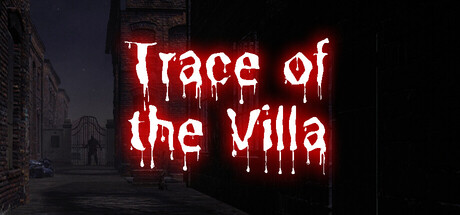
Trace of the Villa: why quiet tension and patient uncertainty matter more than cheap shocks
A slow-burn, mood-driven mystery that fronts a personal investigation: Trace of the Villa asks you to read a house like a witness, not wrestle it. Its fear comes from questions left unanswered and the steady accumulation of odd, human details — not from headline jump scares.


Facts: Trace of the Villa
| Title | Trace of the Villa |
|---|---|
| Steam App ID | 3483660 |
| Release date | 28 May, 2026 |
| Developer / Publisher | Steadyturtle Co., Ltd. |
| Genre | Action, Adventure, Indie |
| Categories | Single-player; Color Alternatives; Custom Volume Controls; Playable without Timed Input; Subtitle Options; Family Sharing |
| Official short premise | Jin has spent years searching for his missing sister, pursuing leads that took him to a remote, decaying mansion where he recovered manifests and hints that indicate his sister may still be alive. |
Who is Trace of the Villa for?
This is for players who prefer slow-burn suspense and environmental storytelling over reflex-based horror. If you respond to investigative, clue-driven exploration and a personal narrative — a protagonist who pieces together a family’s disappearance through manifests, encrypted documents and restored systems — this fits your taste. The Steam page lists single-player and accessibility options like subtitle support and playable-without-timed-input, which speak to an audience that values reading and deduction over twitch combat.
What the game is
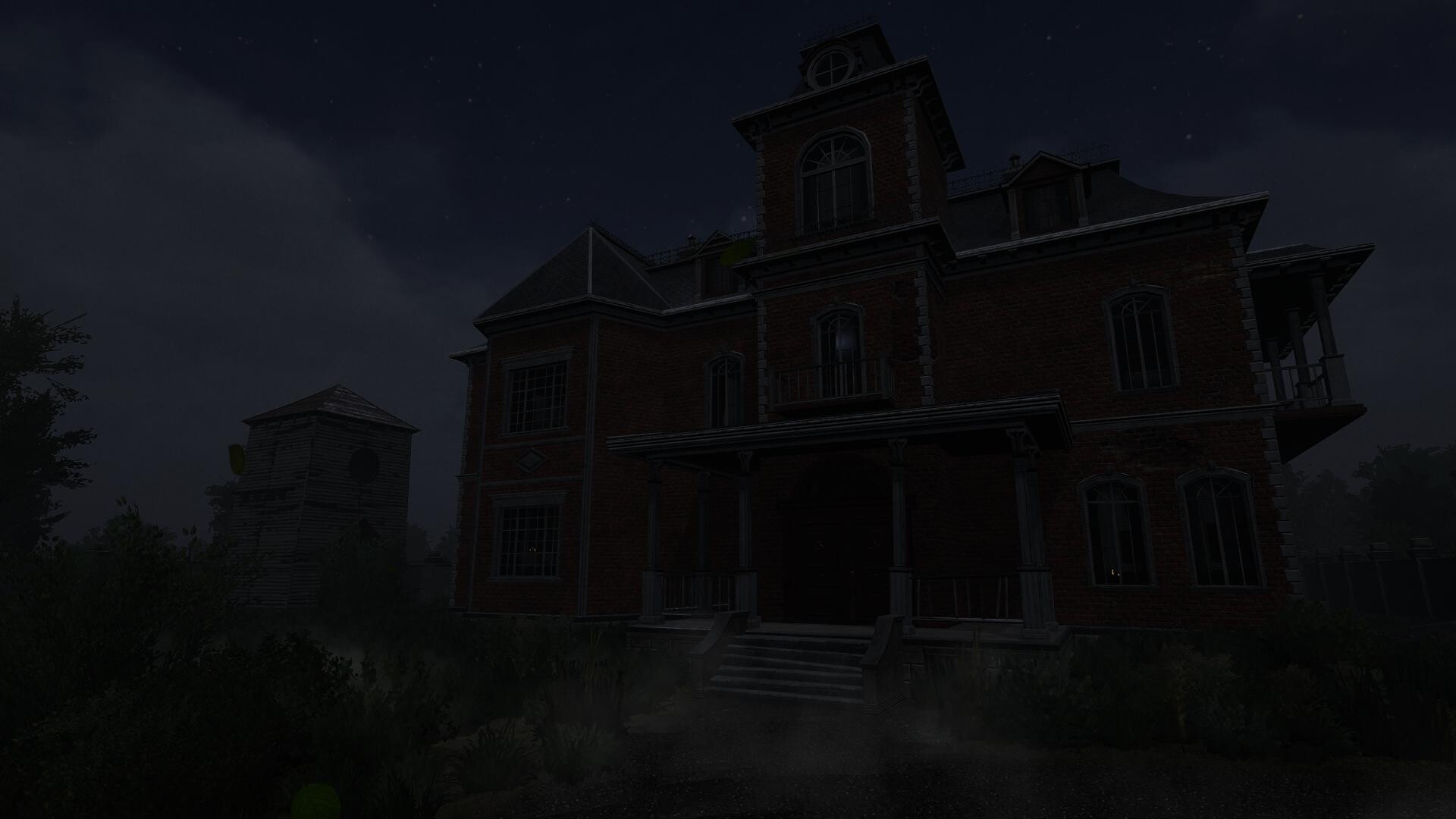
Trace of the Villa centres on Jin, a protagonist searching for his missing sister. Leads bring him to a remote, decaying mansion cut off from the grid. Official Steam text describes rooms that “remain furnished as if their occupants vanished mid-routine,” evidence of secured systems and encrypted documents revealed when power is restored, and a larger, carefully concealed operation suggested by falsified identities and financial trails. The stress in the design is on piecing together context from fragments — not on set-piece shock.
When and where
Trace of the Villa released on Steam on 28 May, 2026. It appears as a PC/Steam indie title developed and published by Steadyturtle Co., Ltd. You can view the store page for wishlisting and system details on its Steam listing.
Why this theme matters
Psychological horror that leans on omission and ambiguity relies on player imagination. When a narrative deliberately removes names, photos and ordinary identifiers, it replaces obvious answers with suspicion: Who left? Who erased records? Why were identities scrubbed? That uncertainty keeps the player actively assembling a story, turning exploration into a sustained emotional engine. Trace of the Villa’s emphasis on manifests, encrypted transfers and the slow return of power underscores a design philosophy where revelation is paced and earned.
How you progress
According to official descriptions, progression is investigation-first. You restore power, bring systems back online, unlock hidden compartments and safes, and decode fragments of documents and suspicious transfer records. Those actions drive forward the timeline and the narrative pattern — arrivals without records, departures without witnesses — letting you triangulate the mansion’s purpose. The Steam categories (playable without timed input; subtitle options) suggest puzzles and exploration that reward careful reading rather than quick reactions.
Player scenarios — who should wishlist it
- Investigative players: You want to reconstruct a story from objects, manifests and partial records. You’ll enjoy the manifest-and-document focus.
- Atmosphere-first players: You prefer slow, oppressive mood and environmental details that build dread gradually rather than jump-scare spikes.
- Puzzle explorers who dislike time pressure: The Steam listing highlights playable-without-timed-input, so you can take notes and linger without mechanical punishment.
Quick editorial comparison
Below is a concise editorial comparison with nearby titles that often surface in search results for psychological horror and atmospheric mystery. This is an editorial, non-endorsement comparison focused on genre, tone, puzzle focus and pacing.
| Title | Primary genre / focus | Atmosphere & pacing | Puzzle / exploration style | Player fit |
|---|---|---|---|---|
| Trace of the Villa | Action / Adventure / Indie — mansion mystery, investigative | Mood-driven, slow-burn; tension built through omission and environmental clues | Clue-driven restoration of systems, unlocking compartments, decoding documents | Players who prefer investigatory, story-rich exploration with minimal timed pressure |
| Amnesia: The Dark Descent | Action / Adventure / Indie — first-person survival horror | Immersive, oppressive; often high tension with dread-filled pacing | Environmental puzzles intertwined with survival mechanics and avoidance | Those who want immersion and occasional frantic moments; stronger survival elements |
| SOMA | Action / Adventure / Indie — sci-fi horror (from Amnesia creators) | Philosophical, atmospheric; steady build of existential dread | Exploration-heavy with narrative puzzles and documented lore | Players who like story-driven, late-puzzle revelations with strong thematic weight |
| Layers of Fear (2016) | Adventure / Indie — first-person psychological horror | Surreal, art-driven atmosphere; variable pacing with moments of disorientation | Environmental puzzles and changing mansion layout that reveal story | Fans of narrative-fragment puzzles and psychological, shifting environments |
| Poppy Playtime | Action / Adventure / Indie — horror/puzzle adventure | Tension mixed with puzzle-action beats; more overt toy-themed antagonism | Puzzle mechanics tied to a gadget (GrabPack) and hazard navigation | Players looking for puzzle-driven set-pieces and more active mechanics |
How Trace of the Villa distinguishes itself
Its editorial identity comes through in the Steam description: a private investigation framed as an environmental puzzle. Where some psychological horror leans on overt monsters or sudden shocks, Trace of the Villa foregrounds erased identities and bureaucratic obscuration — financial trails that lead nowhere, falsified identities, and rooms that suggest a hurried or deliberate removal of personal history. If you want a mansion mystery that reads like detective work — restoring systems, decrypting fragments and following administrative traces — that emphasis sets the tone.
YouTube discovery
If you want to see trailers or gameplay clips, search YouTube for Trace of the Villa trailer or gameplay: https://www.youtube.com/results?search_query=Trace+of+the+Villa+trailer+gameplay. This link is provided as a discovery path; it is not a claim that a specific official video is present.
Disclaimer
Referenced titles and trademarks belong to their respective owners. Comparisons in this article are editorial discovery only and not an endorsement or official affiliation.
Leave a Reply