Trace of the Villa and the Power of Quiet Dread
Trace of the Villa is a slow-burn, story-rich adventure that leans on empty rooms, missing histories, and the weight of uncertainty to unsettle players more than jump scares ever could. Released 28 May, 2026 by Steadyturtle Co., Ltd., it asks you to read a mansion like a crime scene: small details, erased identities, and failing systems become the sources of suspense.

Quick facts
| Title | Trace of the Villa |
|---|---|
| Steam AppID | 3483660 |
| Release date | 28 May, 2026 |
| Developer / Publisher | Steadyturtle Co., Ltd. |
| Genres | Action, Adventure, Indie |
| Categories | Single-player; Color Alternatives; Custom Volume Controls; Playable without Timed Input; Subtitle Options; Family Sharing |
Who: which players should consider wishlisting it?
- Players who prefer atmospheric mystery adventure over loud horror — those who feel tension in silences and half-answered questions.
- Fans of clue-driven exploration and environmental storytelling: if you like piecing timelines together from objects, manifests, and system logs, this fits.
- PC players who want subtitle options, accessible audio controls, and single-player pacing rather than twitch-based survival mechanics.
What: the game you’ll actually play
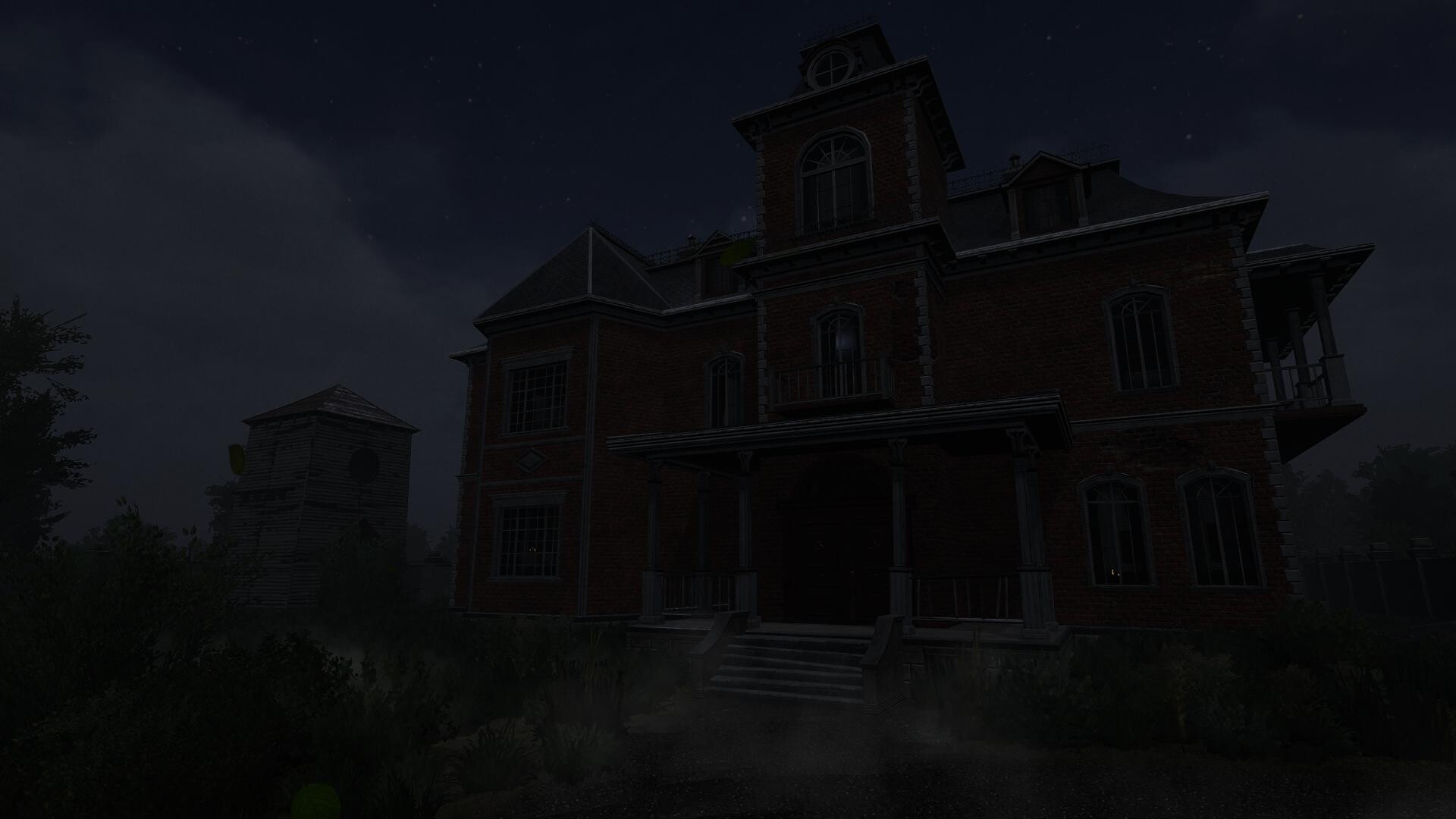
Officially, Trace of the Villa follows Jin, who has spent years searching for his missing sister and follows a lead to a remote, decaying mansion where manifests and hints suggest she may still be alive. The estate feels less abandoned than erased: rooms staged as if occupants vanished mid-routine, personal items without names or photographs, locked doors and hastily secured secrets. Restoring power brings systems back online and reveals hidden compartments, encrypted documents and suspicious transfer records — indicating the place served a larger, secretive purpose.
When & Where: availability
Trace of the Villa released on Steam on 28 May, 2026. The Steam page lists the developer and publisher as Steadyturtle Co., Ltd., and the store entry shows the genres and accessibility categories noted above.
Why: quiet tension and the psychology of an empty mansion
The mansion in Trace of the Villa derives its unease from absence. The official description emphasizes missing identities—no photographs, no names—so the anxiety comes from what information the house refuses to give. Psychologically, that kind of uncertainty activates a different fear circuit than a sudden scare: it asks players to imagine histories and motives in the gaps. Restoring power to locked systems is an apt metaphor: answers arrive in small, mechanized increments, each revealing more contradictions instead of clean closure. That pacing—revelation by increment, not shock—creates lingering dread.
How: reading clues and progressing
- Exploration and systems work together: restoring estate power re-enables secured systems and access to locked spaces.
- Puzzles include hidden compartments, safes, and encrypted documents; solving them yields fragments of timeline and financial trails.
- Progress is narrative-driven: each solved puzzle or restored subsystem adds context, pointing Jin toward the next lead rather than delivering instant payoff.
Player scenarios — specific tastes and expectations
Scenario A: You like slow, investigative pacing
You prioritize atmosphere and careful note-taking over sprinting through objectives. Trace of the Villa’s clue-first design rewards methodical players who catalog manifests and cross-reference findings.
Scenario B: You want story more than combat
If combat-heavy gameplay frustrates you, this leans into adventure and mystery. The genre listing includes Action and Adventure, but core engagement comes from interrogation of place and records rather than repeated enemy encounters.
Scenario C: Accessibility and comfort
The Steam categories list subtitle options, custom volume controls, color alternatives and playable without timed input—features that suit players who need adjustable pacing or prefer reading and reflection over reflex challenges.
How Trace of the Villa sits next to other mansion-mystery and psychological titles
Below is a compact editorial comparison focused on tone, exploration style, puzzle emphasis, and player fit. This is an editorial discovery tool, not a ranking.
| Title | Year | Core tone / atmosphere | Exploration & pacing | Puzzle / investigation focus | Player fit |
|---|---|---|---|---|---|
| Trace of the Villa | 2026 | Quiet dread, empty mansion, erased identities | Clue-driven, incremental revelation | Hidden compartments, safes, system restoration, encrypted documents | Players who prefer slow-burn narrative puzzle design and environmental storytelling |
| Amnesia: The Dark Descent | 2010 | Immersive first-person dread, psychological nightmare | Exploration with high-stakes stealth and sanity mechanics (tense pacing) | Environmental puzzles tied to survival and atmosphere | Players seeking visceral immersion and tension tied to mechanics |
| SOMA | 2015 | Existential, sci‑fi horror with philosophical weight | Exploration-focused with narrative beats; slower, contemplative pacing | Story puzzles and context-driven discovery | Players who want narrative and atmosphere over action |
| Layers of Fear (2016) | 2016 | Surreal, painterly psychological horror in a Victorian mansion | Shifting environments, story chapters that alter space | Exploration puzzles embedded in changing scenes and narrative | Fans of unreliability in space and identity-focused narratives |
| Poppy Playtime | 2021 | Tense, toy-factory fright with puzzle tools | Puzzle-adventure with set pieces and tool-based traversal | Gadget-focused puzzles and timed encounters | Players who like puzzle tools and periodic tension rather than slow dread |
YouTube discovery
Search for trailers or gameplay footage via YouTube: Trace of the Villa trailer / gameplay (YouTube search). Use this as a discovery path; the store page and verified publisher channels are the best sources for official videos.
View Trace of the Villa on Steam
Disclaimer: Referenced titles and trademarks belong to their respective owners. Comparisons above are editorial discovery only and are made using genre, atmosphere, puzzle focus, exploration style, story tone, and pacing.
Leave a Reply