
Trace of the Villa — a slow-burn mansion mystery on Steam
Trace of the Villa puts you in the shoes of Jin, a searcher following a cold trail into an isolated, decaying mansion where restored power and solved puzzles begin to reveal erased lives. Released on 28 May, 2026 by Steadyturtle Co., Ltd., it positions itself as an atmospheric, clue-driven adventure with action-adventure trappings and an emphasis on environmental storytelling.

Quick facts
| Title | Trace of the Villa |
|---|---|
| Steam AppID | 3483660 |
| Release date | 28 May, 2026 |
| Developer / Publisher | Steadyturtle Co., Ltd. |
| Genres | Action, Adventure, Indie |
| Key Steam categories | Single-player; Color Alternatives; Custom Volume Controls; Playable without Timed Input; Subtitle Options; Family Sharing |
| Steam store | View Trace of the Villa on Steam |
| User reviews (Steam) | No user reviews |
What the game is
Official Steam text frames Trace of the Villa as a personal investigation: Jin has searched for his missing sister for years and follows a lead to a remote mansion. The house appears “erased” rather than abandoned — furnished rooms, locked doors, and missing identities — and restoring power triggers systems and hidden compartments that yield encrypted documents, transfer records, and other fragments. That description sets expectations for narrative puzzle design, exploration that reveals story beats, and discoveries that change what you think the estate is.
Who it’s for
This title will appeal to players who prioritize atmosphere and slow-burn suspense over twitch combat. If you enjoy detective-style pursuits that unfold by reading documents, rebooting systems, and unlocking sealed spaces, Trace of the Villa seems aimed at that audience. The inclusion of accessibility options—color alternatives, subtitles, and “playable without timed input”—also signals a design that supports thoughtful exploration rather than fast reaction challenges.
When and where to play
Trace of the Villa is available on Steam for PC, released 28 May, 2026. The store page lists it under Action / Adventure / Indie and includes standard single-player support and accessibility categories. At publication there are no Steam user reviews recorded yet.
Why the theme matters
The mansion-as-memory motif matters for players who like environmental storytelling: when objects and systems are the primary narrators, pacing and scene composition become central. The official description highlights erased identities and falsified records, suggesting the game’s core mystery is less a supernatural shock and more an investigative unraveling of human systems — financial trails, forged identities, and controlled movement of people. That framing helps set expectations for tone: measured, investigative, and potentially bureaucratically sinister rather than overtly jump-scare driven.
How you progress
According to the official description, progression is built around restoring the estate’s systems and following the traces they reveal. Players will restore power, bring systems back online, open hidden compartments, and decode fragments such as encrypted documents and suspicious transfer records. Those discoveries feed a timeline and reveal a pattern of arrivals and departures with missing records — the investigative feedback loop is clue → decode → access → new clue.
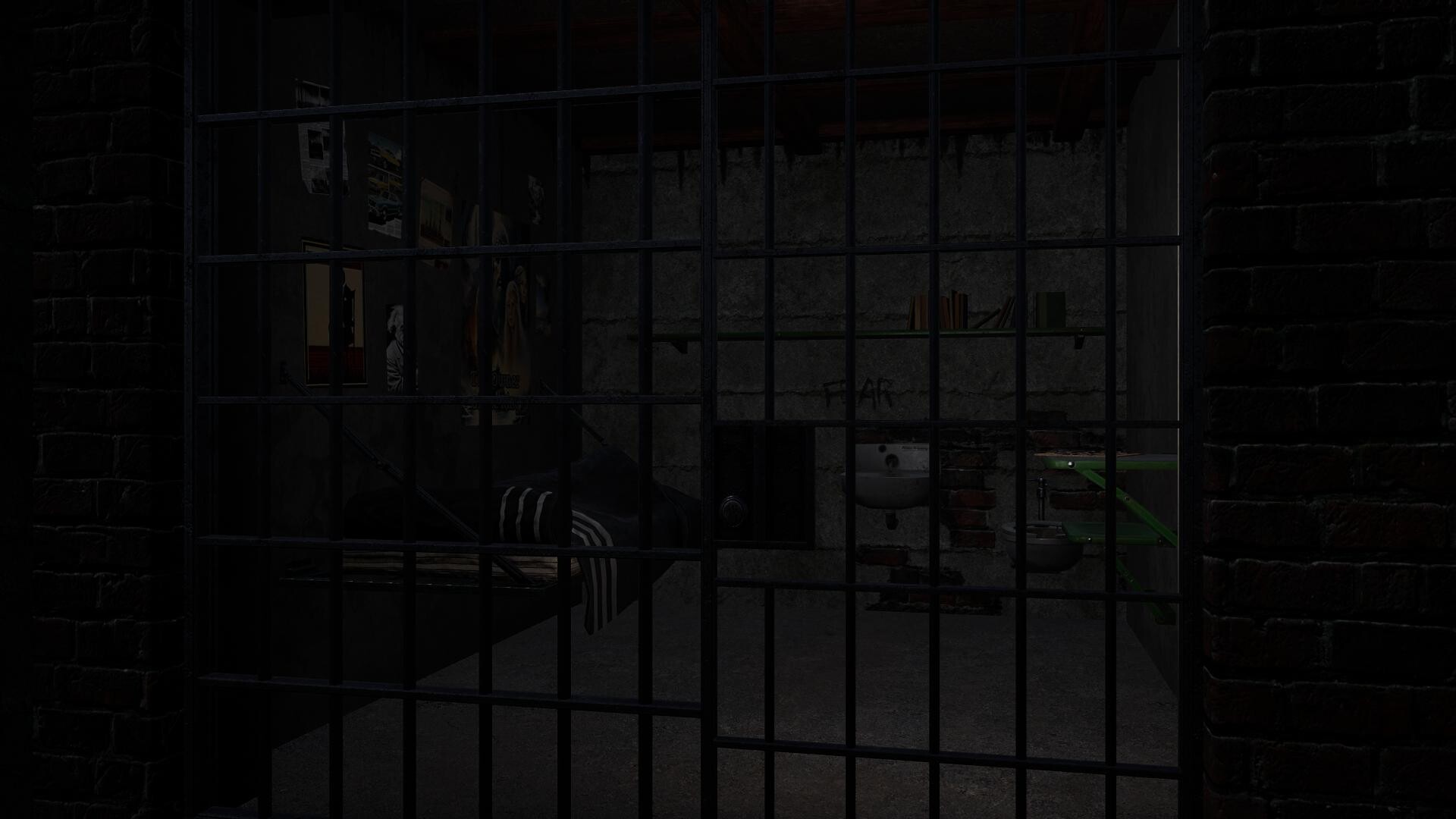
Screenshots — in-game look

Who should wishlist it — specific player scenarios
- Document-driven investigators: If you enjoy reading recovered notes, decrypting files, and building timelines from artifacts, wishlist it for its clue-led progression.
- Slow-burn atmospheric players: If you prefer tension built through environment and discovery rather than frequent combat or timed reactions, this suits your pacing; the Steam page lists “Playable without Timed Input.”
- Accessibility-focused players: The presence of color alternatives, custom volume controls, and subtitle options will be welcome for players who need those features.
- Action-adventure crossover players: The listed Action genre tag suggests there may be some interactive or dynamic elements beyond pure point-and-click; if you want a mix of environmental puzzle work with occasional active sequences, this could fit.
How it compares — editorial discovery table
| Title | Released | Genre / Focus | Atmosphere | Puzzle vs. Exploration | Pacing |
|---|---|---|---|---|---|
| Trace of the Villa | 2026 | Action / Adventure / Indie — clue-driven investigation | Mansion mystery; erased identities and hidden systems | Document-led puzzles, systems restoration, environmental clues | Measured, slow-burn discovery |
| Rusty Lake Hotel | 2016 | Adventure / Indie — surreal point-and-click puzzles | Dark, eerie, stylized surrealism | Puzzle-centric, short vignette rooms | Compact, puzzle-driven chapters |
| The Medium | 2021 | Adventure — psychological investigation, dual-reality exploration | Moody psychological horror | Exploration plus narrative set pieces; some puzzle beats | Moderate, story-focused progression |
| Layers of Fear | 2023 | Adventure — first-person psychological horror | Surreal, claustrophobic, art-driven madness | Environmental puzzles and scripted revelations | Variable, often tense and disorienting |
Editorial note: these comparisons focus on tone, puzzle emphasis, and pacing to help you judge fit. They are editorial discovery only and do not imply endorsements or official connections.
Where to look for more — trailer and gameplay
Search YouTube for trailers and gameplay footage (useful for judging pace and UI): Trace of the Villa — YouTube search. This link is a discovery path; confirm any specific video’s official status on the Steam page or official channels.
Leave a Reply