
Trace of the Villa: how clues, objects, and puzzles tell a story without spoiling it
Trace of the Villa (Steadyturtle Co., Ltd.) is an atmospheric mystery adventure about Jin’s search for his missing sister inside a remote, decaying mansion. The game uses environmental puzzles, recovered manifests, and object-based logic to reveal evidence and piece together events while keeping the central mystery intact.

Quick facts
| Title | Trace of the Villa |
|---|---|
| Developer / Publisher | Steadyturtle Co., Ltd. |
| Release date | 28 May, 2026 |
| Steam appid | 3483660 |
| Genres | Action, Adventure, Indie |
| Categories / accessibility | Single-player; Color Alternatives; Custom Volume Controls; Playable without Timed Input; Subtitle Options; Family Sharing |
| Official short description | Jin has spent years searching for his missing sister, pursuing leads that took him to a remote, decaying mansion where he recovered manifests and hints that indicate his sister may still be alive, somewhere at the end of the trail he is about to follow. |
Who should wishlist Trace of the Villa?
- Players who prefer clue-driven exploration and environmental storytelling over combat-heavy action.
- Fans of slow-burn suspense and mansion mysteries where reading documents and examining scenes unspools the narrative.
- PC players who value accessibility options such as subtitle support, color alternatives, and no timed-input requirements.
- People who like investigative pacing—unlocking systems, safes, and encrypted fragments to assemble a timeline.
What the game is (and what it promises)
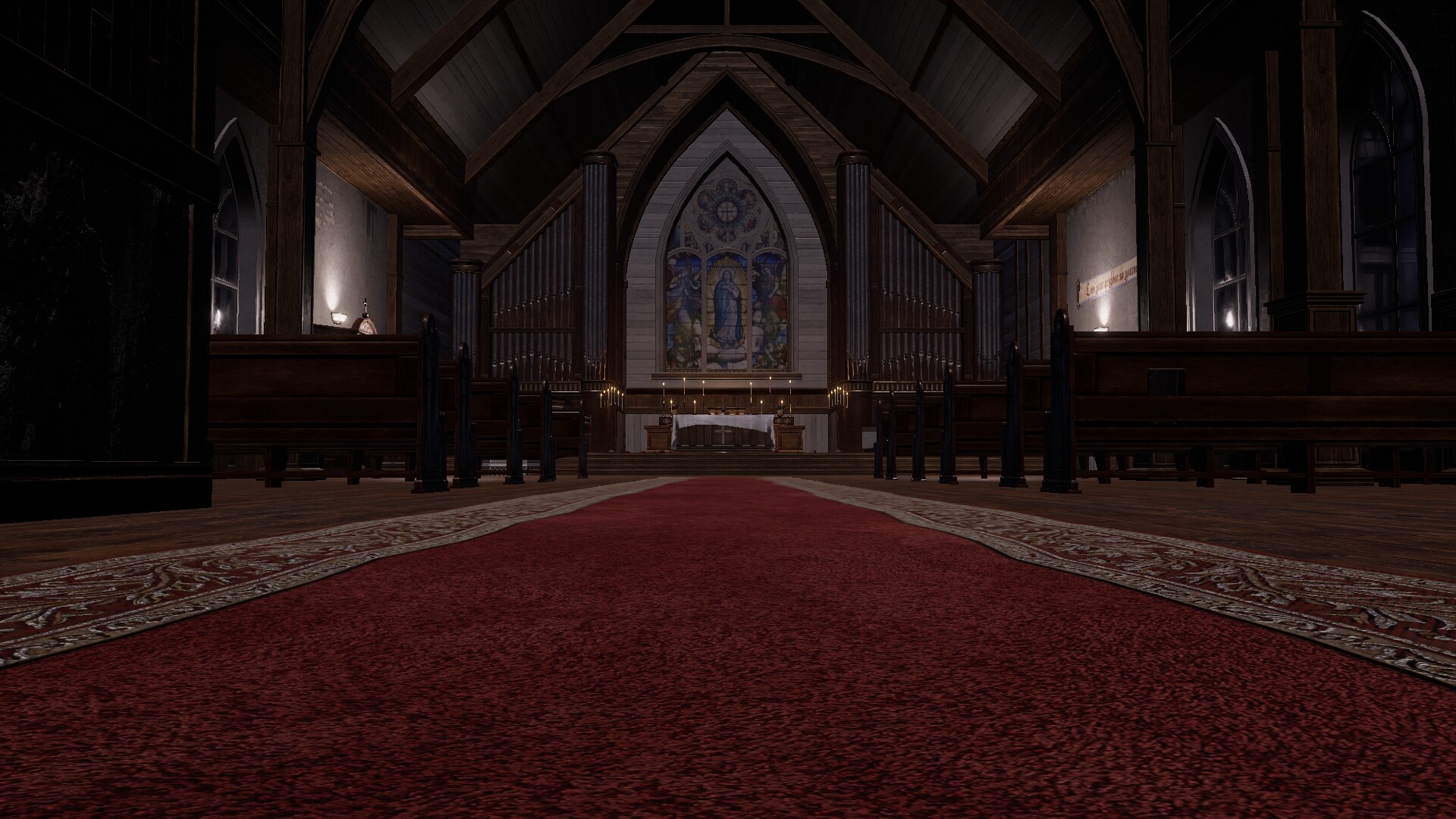
According to the Steam page, you play as Jin, a protagonist who follows a lead to a property that appears deliberately erased from history. As power is restored to the estate, “secured systems come back online” and “hidden compartments unlock,” yielding manifests, encrypted documents, and transfer records that form the puzzle threads of the investigation. The design frames the mansion not as a haunted set-piece but as a controlled environment whose objects and records are the primary storytellers.
When and where
Trace of the Villa launched on Steam on 28 May, 2026 and is available for PC via its Steam storefront. The Steam appid is 3483660; the store page link is included below if you want to wishlist or view system details.
Why this approach matters
Puzzle-adventure stories work best when each solved problem also hands the player an interpretive clue. Trace of the Villa leans into that by making puzzles evidence: a safe yields a fragment of a ledger; a restored terminal reveals transfer logs; a deliberately emptied room raises questions about who was erased and why. That design keeps the player engaged on two levels—solving mechanical problems and assembling a narrative hypothesis—while preserving big reveals for later.
How the puzzles reveal story without spoiling
Three puzzle design patterns shape Trace of the Villa’s storytelling:
- Clue reading: Documents, manifests, and partial logs appear as fragmented sources. Each fragment is useful mechanically (unlocking the next area) and narratively (adding a data point to Jin’s timeline) without resolving the central question immediately.
- Object logic: The mansion’s objects—locked safes, terminals, and sealed compartments—have internal logic. Solving them requires deduction and observation, so players learn through interaction rather than expository dumps. That makes evidence feel earned.
- Story-linked puzzles: Puzzles are integrated into the estate’s systems: powering the house changes available mechanics, and restored systems open new channels of investigation. Because the puzzles expand what you can read or access, they incrementally reveal context instead of delivering a single spoilery answer.

Player scenarios — how the game will play for different audiences
- Document-first investigators: You read every scrap you find and build a timeline. Trace of the Villa rewards careful note-taking and connecting small details across rooms.
- Hands-on problem solvers: You like tactile puzzles—matching, decoding, and physical logic. Object-based solutions double as revelations, making each solved challenge feel narratively consequential.
- Casual explorers: Accessibility options and lack of timed inputs make it possible to take the game slowly; you can savor atmosphere and return to puzzles without pressure.
- Puzzle-averse horror fans: If you prefer passive storytelling or jump-scare horror, this title focuses more on investigation and piecemeal discovery than constant fright.
How it compares to other puzzle-driven indies
Below is an editorial comparison on lawful criteria: puzzle focus, exploration style, story tone, pacing, and player fit. These are comparative impressions based on each title’s public descriptions.
| Title | Puzzle focus | Exploration style | Story tone | Pacing / player fit |
|---|---|---|---|---|
| Trace of the Villa | Clue-reading, object logic, document fragments and system restores | Mansion-based, environmental investigation | Atmospheric, investigative, slow-build mystery | For players who want story revealed by solving puzzles; accessible options and no timed input |
| The Room | Mechanical puzzle boxes with tactile problem-solving | Focused single-room / series of contained locations | Mysterious, intimate, object-centric | For players who enjoy isolated puzzle boxes that reveal lore through objects |
| Escape Simulator | Highly interactive escape-room mechanics; item use and object interaction | Room-based, often handcrafted puzzles; supports co-op | Playful to tense depending on room design; community content | Best for players who like physical interactivity and community-made levels |
| Unpacking | Zen, object-placement puzzles that imply life stories | Domestic environments; narrative inferred from possessions | Quiet, reflective, slice-of-life storytelling | For players who prefer low-pressure, interpretive narrative through objects |
Deciding whether to wishlist
Wishlist Trace of the Villa if you prioritize environmental storytelling, document-based evidence, and puzzle mechanics that double as narrative scaffolding. If you want fast action or explicitly horror-focused gameplay with jump scares, the game’s investigative, slow-burn design may not be your primary preference.
View Trace of the Villa on Steam
YouTube discovery
To find trailers or gameplay clips, try this YouTube search path (search results may include trailers and community videos): Trace of the Villa trailer & gameplay search.
Disclaimer: Referenced third-party titles and trademarks belong to their respective owners. Comparisons in this article are editorial discovery only, intended to help readers assess fit and pacing across puzzle-driven adventures.
Add Trace of the Villa to your Steam wishlist or view the store page
Leave a Reply