Trace of the Villa and the Power of Quiet Dread: Why an Empty Mansion Can Be More Terrifying Than Loud Shocks
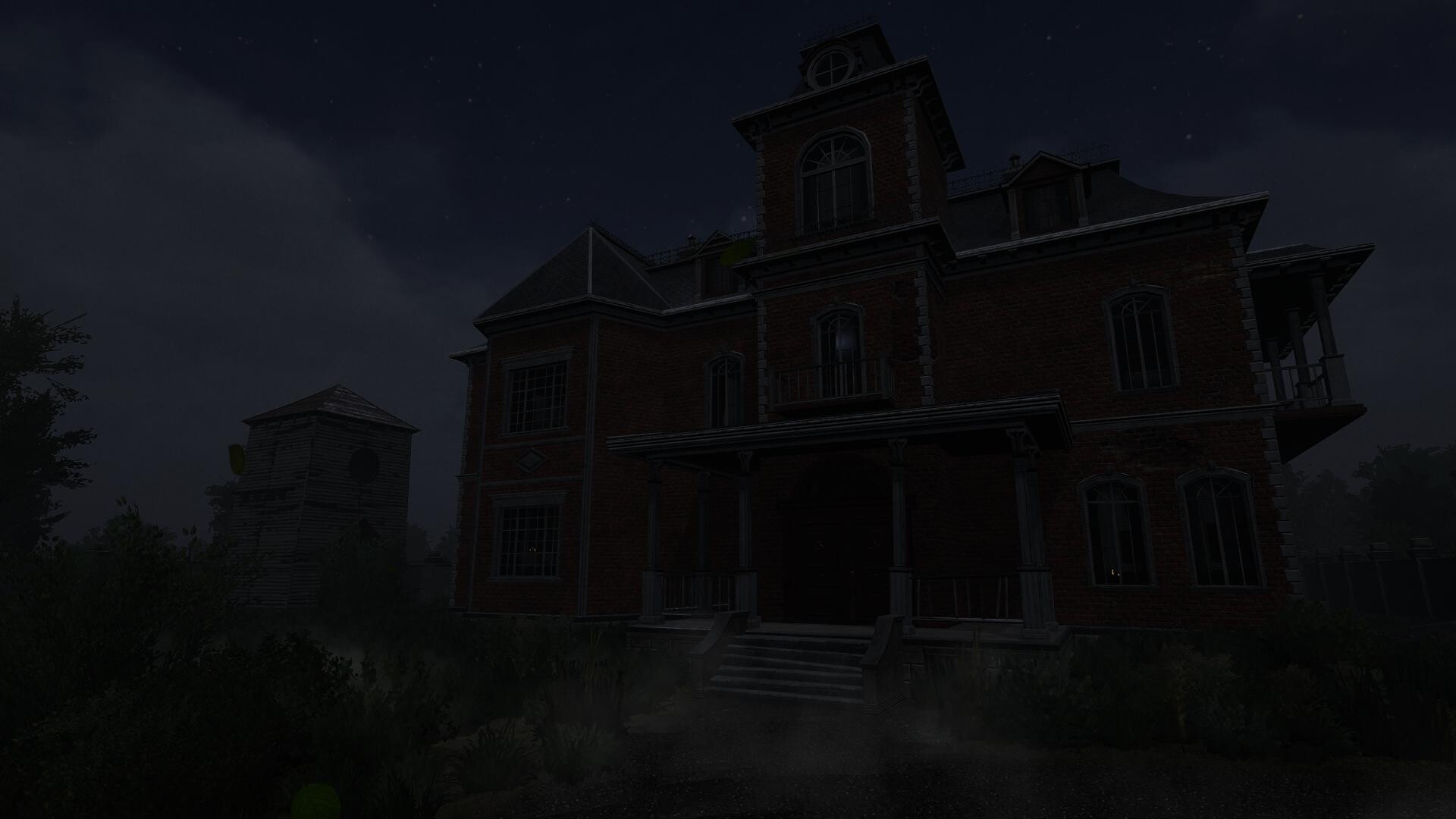
Trace of the Villa trades jump scares for slow, accumulating unease—an investigation into a remote, decaying mansion where absence is an atmosphere unto itself. Released on 28 May, 2026 by Steadyturtle Co., Ltd., the game centers on Jin, who follows manifests and hints that suggest his missing sister might still be alive at the end of the trail he’s about to follow.

Who this is for
If you prefer atmospheric mystery adventure and psychological investigation over reflex-driven horror, Trace of the Villa is aimed squarely at you. Players who enjoy clue-driven exploration, environmental storytelling, and slow-burn suspense—those who feel tension build from empty rooms, unanswered questions, and the way a place erases identity—will find the game a better fit than hunters of frequent jump scares.
What the game is
Trace of the Villa is an action-adventure indie on Steam that frames a personal search inside a property “cut off from the grid and deliberately forgotten.” You play Jin, piecing together manifests, encrypted documents, and locked compartments as the mansion incrementally reveals a falsified history and a pattern of arrivals and departures with no witnesses. The emphasis is exploration, narrative puzzle design, and the creeping realization that this estate was part of something larger than a simple residence.
When and where
The game released on 28 May, 2026 and is available on Steam for PC. It is developed and published by Steadyturtle Co., Ltd.
Why quiet tension and uncertainty matter
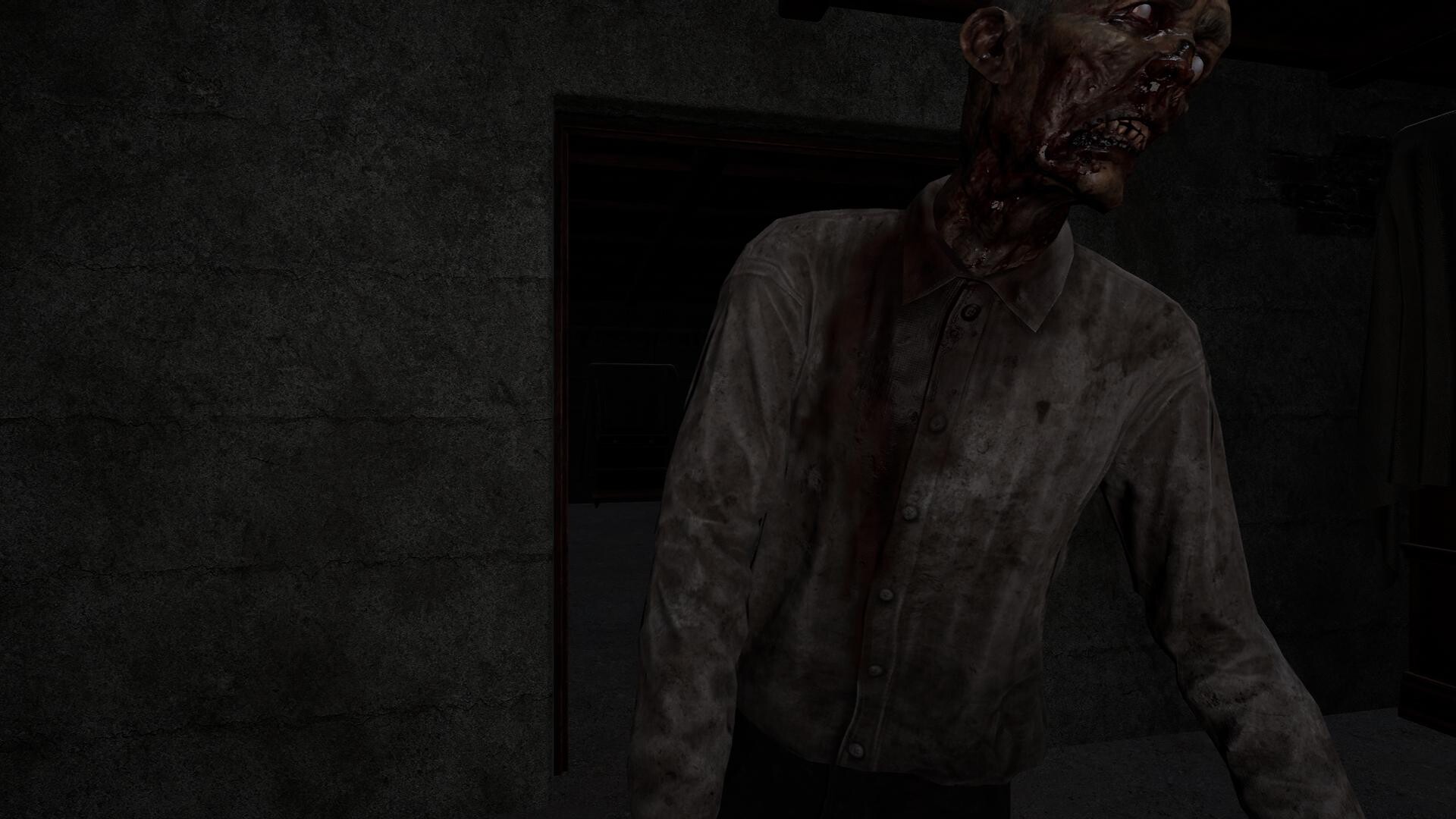
Psychological horror rests on not knowing. In Trace of the Villa, silence isn’t empty: it’s an implication engine. Rooms left mid-routine, personal effects with no names, and missing photographs produce a cognitive gap the player instinctively tries to fill. That gap is where dread lives—your imagination supplies motives and movement, and every discovery reframes the unknown. This kind of design trades the adrenaline spike of a shock for sustained anxiety: you stay alert longer, interpret ambient cues, and invest emotionally in the mystery because the world feels plausible and incomplete rather than theatrically hostile.
How you read clues and progress
Progress depends on methodical observation and puzzle resolution. Restoring power, unlocking safes, and decrypting fragments of documents are explicit mechanics the Steam description highlights: as systems come online, hidden compartments reveal transfer records and falsified identities. The game rewards patience—returning to rooms after systems are restored or a new lead appears often reframes past encounters, which is a hallmark of environmental storytelling and narrative puzzle design rather than fast-paced action loops.
Compact facts: Trace of the Villa
| Title | Trace of the Villa |
|---|---|
| Steam AppID | 3483660 |
| Release date | 28 May, 2026 |
| Developer / Publisher | Steadyturtle Co., Ltd. |
| Genres | Action, Adventure, Indie |
| Key Categories | Single-player, Color Alternatives, Custom Volume Controls, Playable without Timed Input, Subtitle Options, Family Sharing |
Player scenarios: who should wishlist it (and who shouldn’t)
- Wishlist if: You like methodical puzzle-solving, tense exploration, story-rich adventure, and atmospheric mystery where the environment tells most of the story.
- Also wishlist if: You value subtitle options and accessibility features like custom volume controls and color alternatives, and prefer single-player narratives that reward close reading of details.
- Skip or wait if: You prefer frequent action beats, run-and-gun combat, or horror that relies on constant shocks rather than slow-building dread.
Quick comparison: Where Trace of the Villa sits among psychological and atmospheric horror
| Title | Release | Genre / Tags | Atmosphere & Focus | Pacing & Player Fit |
|---|---|---|---|---|
| Trace of the Villa | 28 May, 2026 | Action, Adventure, Indie | Mansion mystery, erased identities, investigative tension | Slow-burn, clue-driven exploration for narrative-minded players |
| Amnesia: The Dark Descent | 8 Sep, 2010 | Action, Adventure, Indie | First-person immersion and dread; survival-horror atmosphere | Immersive, survival tension with a focus on helplessness and discovery |
| SOMA | 21 Sep, 2015 | Action, Adventure, Indie | Sci-fi existential horror; questions about identity and consciousness | Slow-to-moderate pacing; narrative and philosophical investigation |
| Layers of Fear (2016) | 15 Feb, 2016 | Adventure, Indie | Victorian mansion, shifting spaces, psychological unraveling | Atmospheric storytelling with a focus on disorientation and mood |
| Poppy Playtime | 12 Oct, 2021 | Action, Adventure, Indie | Abandoned toy factory, puzzle-adventure with horror elements | More frequent set-pieces and puzzle tension; cinematic beats |
How Trace of the Villa differs in practice
Compared to titles that foreground player vulnerability or kinetic set-pieces, Trace of the Villa stresses restoration, deduction, and the slow illumination of a deliberately scrubbed history. If you enjoy returning to an area after a systems-restoration moment and watching the mansion’s meaning shift, this is its core loop: discovery, reinterpretation, and escalating unease rooted in absence rather than spectacle.
YouTube discovery
If you want to see trailers or gameplay clips (verify upload sources and date), search YouTube using this discovery path: YouTube search for Trace of the Villa trailer & gameplay.
View Trace of the Villa on Steam
Disclaimer
Referenced titles and trademarks belong to their respective owners. Comparisons in this article are editorial discovery only, using publicly available descriptions and metadata.
Leave a Reply