Trace of the Villa: how rooms become puzzle spaces and story containers
Trace of the Villa frames its mystery inside a decaying mansion, using furnished rooms as both mechanical playgrounds and narrative vessels. Released 28 May, 2026 by Steadyturtle Co., Ltd., the game casts you as Jin, a man following fragmented manifests and hints that suggest his missing sister may still be alive.

What Trace of the Villa is
Trace of the Villa is an action-adventure indie on Steam that leans into atmospheric mystery adventure and psychological investigation. Its premise is explicit on the Steam page: Jin has spent years searching for his missing sister, and a lead brings him to a remote, deliberately forgotten mansion where manifests and other traces suggest the search is not finished.
The game is listed under Action, Adventure, Indie and includes single-player and accessibility-oriented categories such as Color Alternatives, Custom Volume Controls, Playable without Timed Input, and Subtitle Options.
Who this is for
This will appeal to players who prefer slow-burn suspense and environmental storytelling: those who like reading clues, interpreting personal effects, and using object logic to unlock layered narratives inside contained spaces. If you enjoy puzzle-adventure rooms that double as character studies — where a desk drawer, a safe, or a dimly lit bedroom reveals personality and motive — Trace of the Villa is aimed at you.
When and where you can play
Trace of the Villa launched on Steam on 28 May, 2026 and is presented for PC via the Steam store page. It is developed and published by Steadyturtle Co., Ltd.
Why the mansion-as-room matters
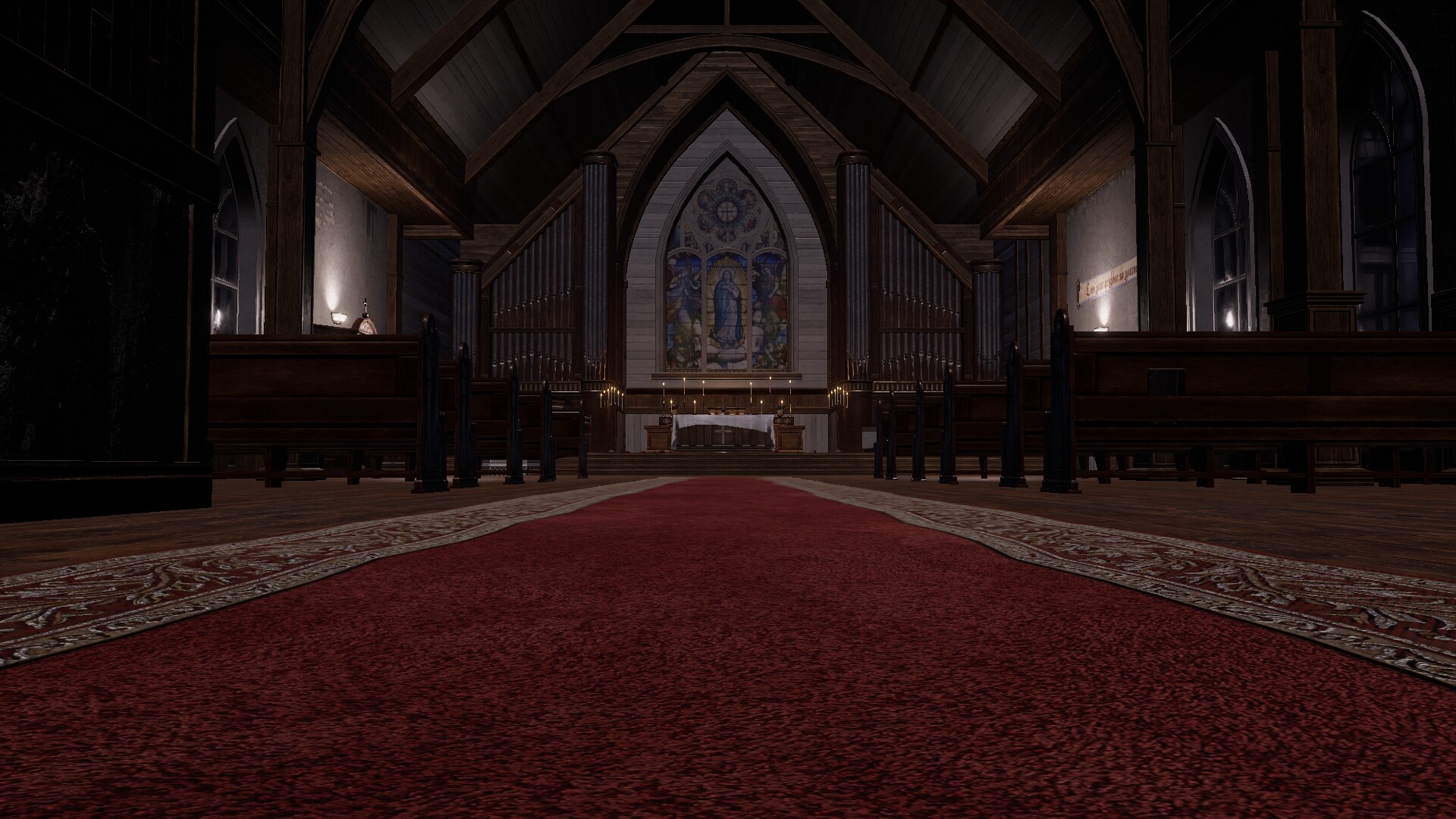
Rooms in Trace of the Villa are both puzzle spaces and story containers. The Steam description emphasizes furnished rooms that look as if occupants vanished mid-routine and locked doors that guard “hastily secured secrets.” That design choice turns each room into a compact narrative: objects provide clues about who lived there, missing items signal erasure, and locked systems — once restored — reveal administrative traces such as encrypted documents and transfer records. The mansion becomes a dossier you physically open, room by room.
How clue reading, object logic, and story puzzles shape progression
According to the official description, progression is driven by restoring systems and uncovering artifacts: restoring power brings systems back online, hidden compartments unlock, and safes produce fragments of evidence. That sequence of cause-and-effect places emphasis on careful observation and logical inference. Players read clues — manifests, encrypted fragments, personal effects — then apply object logic (combine items, operate restored mechanisms, decode fragments) to advance. Puzzles therefore act as interpretive steps in an investigative timeline rather than isolated mechanical tests.
Specific player scenarios
Scenario A: You like textual and environmental clues
You’ll be rewarding close reading of manifests, documents, and room details. If tracing timelines from receipts, notes, and corrupted records to make sense of absent identities appeals to you, the mansion’s rooms are built for that playstyle.
Scenario B: You prefer object-driven logic and mechanical puzzles
Restore power, access locked systems, and piece together safes and compartments. Players who enjoy connecting physical mechanics (switches, safes, locked cabinets) with narrative payoff will find the game’s pacing and puzzle design suited to methodical, tactile problem-solving.
Scenario C: You want story puzzles that escalate tension
The mansion’s revelations move from mundane paperwork to a disturbing pattern of falsified identities and masked movements. If you enjoy puzzles that gradually change the stakes of the story, this structure should satisfy a slow-burn appetite for escalating narrative horror or mystery.
Comparison with nearby mystery/puzzle games
Below is a concise editorial comparison on lawful criteria: genre, atmosphere, puzzle focus, exploration style, story tone, pacing, and player fit. This is meant to help you decide whether Trace of the Villa fits your tastes.
| Title | Genres / Release | Atmosphere & Story Tone | Puzzle Focus | Exploration Style | Player fit |
|---|---|---|---|---|---|
| Trace of the Villa | Action, Adventure, Indie — Released 28 May, 2026 | Mansion mystery; personal, investigative, slowly unsettling | Clue reading, object logic, systems restoration, encrypted fragments | Room-by-room, narrative-unlock progression | Players who want story puzzles embedded in rooms and a slow-burn mystery |
| The Room | Adventure, Indie — (2014) | Single-room cryptic mystery; tactile and uncanny | Mechanical contraptions and tactile safe puzzles | Focused, confined puzzles with escalating mechanical complexity | Players who like hands-on, object-manipulation puzzles and claustrophobic tension |
| The Room Two | Adventure, Indie — (2016) | Expanded cryptic spaces; atmospheric and puzzle-centric | Complex mechanical puzzles across multiple connected spaces | Sequential rooms with interlocking mechanisms | Players who enjoyed The Room and want broader exploratory puzzles |
| Unpacking | Casual, Indie, Simulation — (2021) | Zen, domestic, quietly narrative | Spatial, object-placement and environmental storytelling | Room composition across scenes; slow, reflective pace | Players who prefer low-pressure clue-reading through domestic objects |
| Escape Simulator | Adventure, Casual, Indie — (2021) | Bright, interactive escape-room vibe | Highly interactive object puzzles; physics and item use | Room-based puzzles designed for mechanical interactivity and co-op | Players who want physics-driven interactivity and community rooms |
Screenshots

Watch & discover (YouTube)
Search for trailer or gameplay videos for Trace of the Villa here: YouTube: Trace of the Villa trailer & gameplay. Use that query to find trailers or gameplay captures; this link is a discovery path and not a claim that a specific official video is present.
Compact facts — Trace of the Villa
View Trace of the Villa on Steam
CommentsMore posts |
|---|
Leave a Reply