
Trace of the Villa — an escape-room style mansion mystery for clue-driven explorers
Trace of the Villa places you in Jin’s shoes as he follows the trail of a missing sister into a remote, decaying mansion where the house itself keeps its secrets. The game leans on locked-room thinking, environmental reading, and chained object clues to turn each discovery into the next lead.

Who, what, when, where, why, and how
Who it’s for
Players who prefer atmospheric mystery adventure and story-rich investigation over action spectacle — those who enjoy reading rooms, tracing small details across scenes, and building hypothesis chains from found objects and documents.
What the game is
Trace of the Villa (Steam appid 3483660) is presented as an atmospheric single-player Action / Adventure / Indie title from Steadyturtle Co., Ltd., where Jin investigates a deliberately forgotten mansion after recovering manifests and hints that suggest his missing sister may still be alive.
When and where
Trace of the Villa released on 28 May, 2026 and is available on Steam for PC. It is listed with common accessibility options such as subtitle options and playable without timed input.
Why the theme matters
Thematically the game uses the mansion as a forensic environment: rooms appear preserved mid-routine, identities erased, and systems deliberately secured. That setup makes clue-chaining meaningful — every restored system or unlocked compartment recontextualises earlier observations and pushes the narrative forward.
How you progress — locked-room logic and clue chains
The Steam description stresses restoration and discovery as core mechanics: when Jin restores power, secured systems come online, hidden compartments unlock, and safes yield fragments of encrypted documents and suspicious transfer records. That creates procedural momentum: one solved puzzle restores another layer of the estate, each object clue linking to the next location or encrypted fragment. The game favors environmental storytelling and deduction over twitch-based challenge — think reading a staged interior like a crime scene, then using recovered documents and manifests to trace motives, identities, and movement.
Official visuals

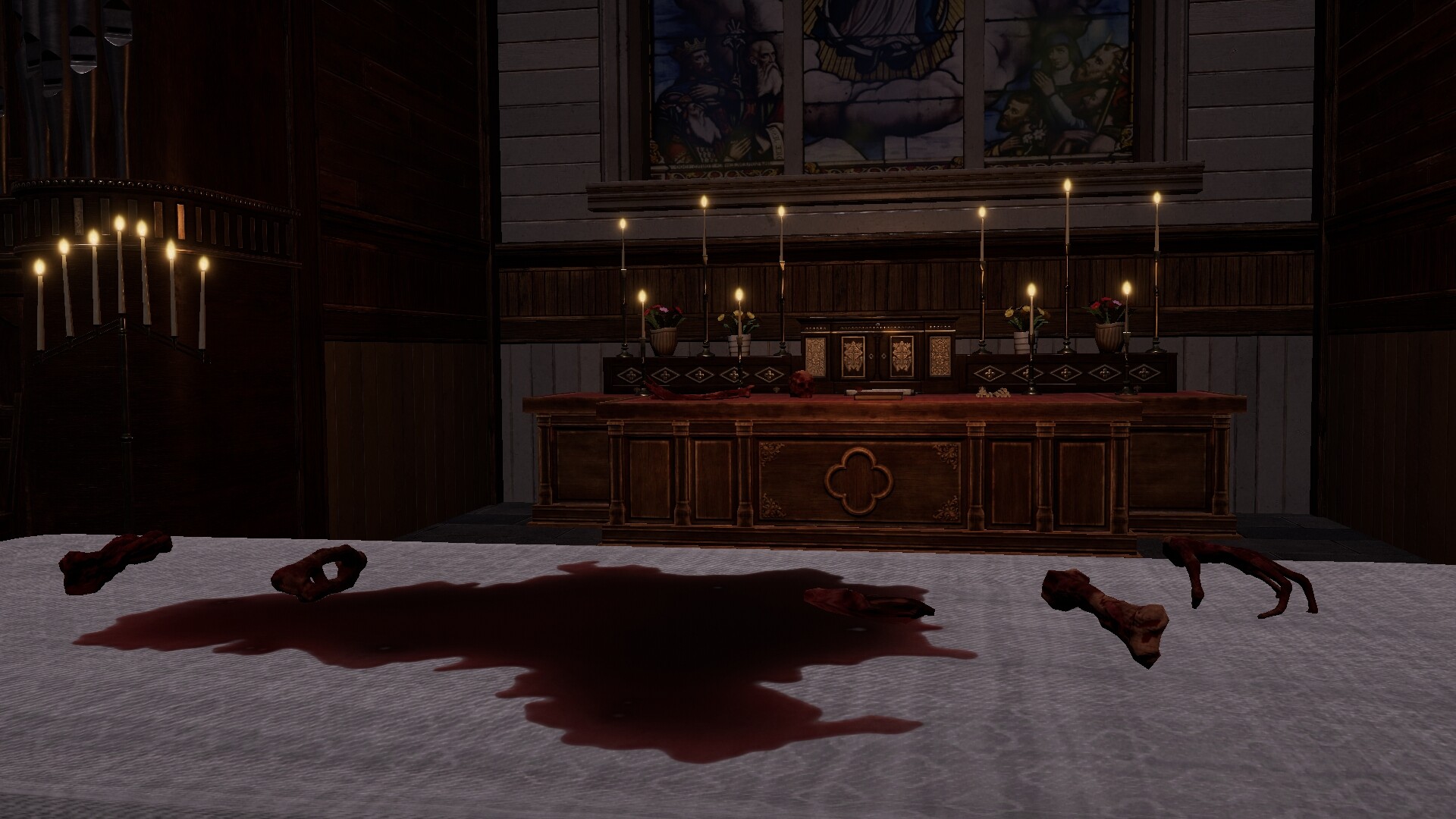
Compact facts
| Title | Trace of the Villa |
|---|---|
| Steam AppID | 3483660 |
| Developer | Steadyturtle Co., Ltd. |
| Publisher | Steadyturtle Co., Ltd. |
| Release date | 28 May, 2026 |
| Genres | Action, Adventure, Indie |
| Key categories | Single-player; Color Alternatives; Custom Volume Controls; Playable without Timed Input; Subtitle Options; Family Sharing |
| Official premise | Jin has spent years searching for his missing sister, pursuing leads that took him to a remote, decaying mansion where he recovered manifests and hints that indicate his sister may still be alive. |
How it fits with other escape-room / puzzle experiences
Below is a compact editorial comparison on lawful criteria: genre, atmosphere, puzzle focus, exploration style, and pacing. This is an editorial discovery comparison only.
| Title | Puzzle focus | Atmosphere | Exploration style | Pacing |
|---|---|---|---|---|
| Trace of the Villa | Clue chains, object-driven puzzles, restoring systems and unlocking secured compartments | Mansion mystery; preserved/erased domestic spaces; psychological investigation lean | Single-player, room-to-room forensic reading; documents and manifests as leads | Slow-burn; discovery opens further investigation |
| The Room (series) | Mechanical, interlocking puzzles focused on a single ornate object or chamber | Mysterious, tactile, intimate — often solitary and locked-chamber | Focused inspection of puzzles and mechanisms rather than broad environment traversal | Measured, puzzle-centric; each box or chamber completes a contained arc |
| Escape Simulator | Highly interactive environment with many object manipulations and community rooms | Varied — rooms range from playful to tense depending on creator | Hands-on interaction with many movable objects; supports multiplayer cooperation | Variable; can be brisk in community rooms or methodical in designed challenges |
If you value chained investigation and reading interiors as if they were case files, Trace of the Villa sits closer to slow, layered mystery than to purely mechanical puzzle boxes or fast, physics-driven escape rooms.
Player scenarios — who should wishlist this
Scenario A — The methodical detective
You enjoy cataloguing details and letting documents, manifests, and power restores reconfigure your hypotheses. You prefer building a timeline from small finds rather than relying on skillful reflexes. Trace of the Villa’s emphasis on restored systems and encrypted fragments suits you.
Scenario B — The atmospheric explorer
You play for mood and environment: furniture, staged living spaces, and the uncanny absence of personal identifiers. You want a slow-burn narrative that rewards close observation and patience.
Scenario C — The narrative puzzle player
You value puzzles that move the story forward. Finding a safe or restoring a circuit should reveal new documents that change your understanding of events—this title’s design intent, per its Steam description, aligns with that chain-driven satisfaction.
Trailer and gameplay discovery
Search for trailers and gameplay footage using this YouTube discovery link (useful for finding trailers or footage; this is a search path, not a claim that the top result is an official video):
Final notes and Steam link
If the idea of reconstructing events from layered physical clues appeals to you, add Trace of the Villa to your wishlist on Steam and follow updates from the developer.
Legal and editorial disclaimer
Referenced titles and trademarks are the property of their respective owners. Comparisons in this article are editorial discovery only and not endorsements or claims of official connection.
Leave a Reply