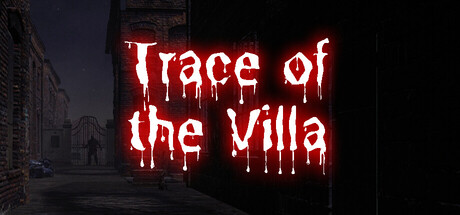
Trace of the Villa — a premise-first guide for players who want story context without spoilers
Trace of the Villa is a slow-burn, clue-driven mansion mystery where Jin’s search for a missing sister leads him into a deliberately erased estate filled with manifests, locked compartments, and encrypted documents. If you want the story setup and how the game hands you backstory without spoilers, this primer explains who should wishlist it, what to expect from narrative discovery, and how the investigation unfolds at a high level.

Quick facts
| Title | Trace of the Villa |
|---|---|
| Steam App ID | 3483660 |
| Release date | 28 May, 2026 |
| Developer | Steadyturtle Co., Ltd. |
| Publisher | Steadyturtle Co., Ltd. |
| Genres | Action, Adventure, Indie |
| Steam categories | Single-player; Color Alternatives; Custom Volume Controls; Playable without Timed Input; Subtitle Options; Family Sharing |
| Official short premise | Jin has spent years searching for his missing sister, pursuing leads that took him to a remote, decaying mansion where he recovered manifests and hints that indicate his sister may still be alive, somewhere at the end of the trail he is about to follow. |
Who this is for
If you like atmospheric mystery adventure and environmental storytelling where you assemble a narrative from objects, logs, and locked systems rather than being told everything outright, Trace of the Villa is aimed at you. It will appeal to players who favor investigative pacing — slow, tense, and focused on piecing together a buried operation — and to anyone who appreciates a personal stake driving the plot (the protagonist’s missing sister is the stated motivation).
What the game actually is (without spoilers)
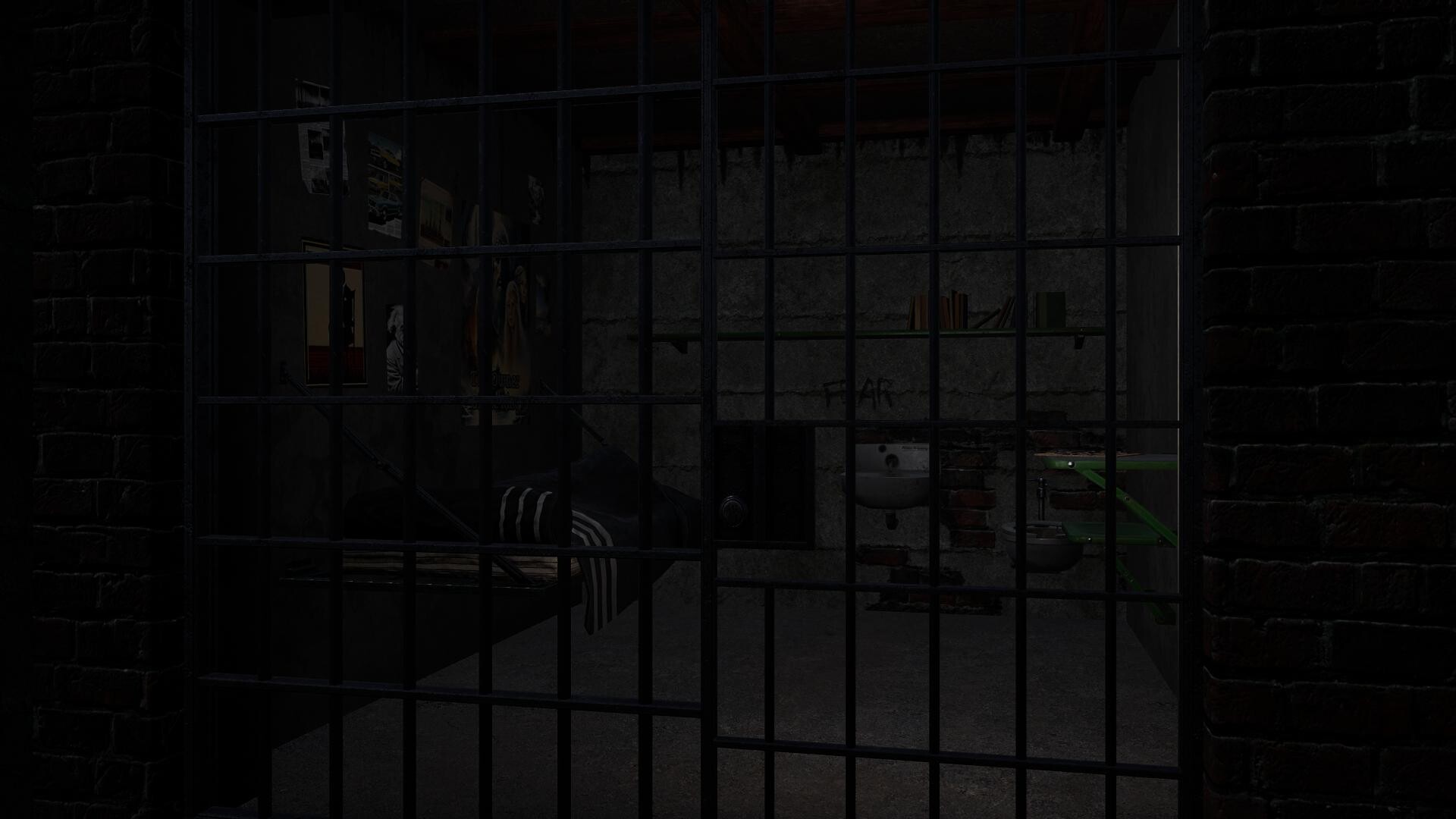
According to the official Steam description, Trace of the Villa places Jin in a remote, decaying mansion that feels “less abandoned than erased.” The estate contains furnished rooms frozen mid-routine, locked doors, and personal belongings that lack names or photographs, suggesting identities were removed. When Jin restores power, secured systems come back online, hidden compartments unlock, and safes yield fragments of encrypted documents and suspicious transfer records. Manifests and hints recovered on-site indicate the sister may still be alive somewhere along the trail.

When and where
Trace of the Villa released on Steam on 28 May, 2026. The Steam page lists Steadyturtle Co., Ltd. as both developer and publisher. It’s presented on Steam as Action / Adventure / Indie and is classified with single-player and accessibility options such as color alternatives and subtitle options.
Why the theme matters
The official premise frames the mansion as a site of deliberate erasure: identities removed, records falsified, people moved without witnesses. That design choice shifts the game from a simple haunted-house conceit into a psychological investigation about systems that hide people and money. For players interested in slow-burn suspense and piecing together institutional or financial cover-ups from tangible clues, that underlying theme amplifies the stakes beyond isolated scares to suggest a larger operation at work.
How you read clues and progress (premise-first)
The Steam description explains the game’s discovery loop in practical terms: restore power, watch secured systems come back online, open hidden compartments, and decrypt or piece together fragments found in safes and manifests. Progress is driven by interpreting recovered documents and connecting suspicious transfer records and falsified identities to a timeline. The storytelling method is primarily environmental and document-based — you learn by assembling physical evidence rather than long expository cutscenes.
Specific player scenarios
- Choose Trace of the Villa if you enjoy methodical, clue-first investigation — reconstructing timelines from manifests, keys, and encrypted fragments.
- Wishlist it if you prefer atmosphere and narrative mystery over constant action; the core pleasure is unraveling why the house was “erased” and where that trail leads.
- Avoid it if you want fast-paced plot revelations or action-only gameplay; the Steam genres include Action, but the pitch centers on exploration and puzzle-led disclosure.
- Good fit if you appreciate accessibility options like subtitles and color alternatives listed on the Steam page.
How it compares — editorial discovery (short)
| Title | Genre / Tone | Puzzle focus | Exploration style | Story tone / Pacing | Player fit |
|---|---|---|---|---|---|
| Trace of the Villa | Action / Adventure / Indie — mansion mystery, investigative | Environmental puzzles, document fragments, locked systems | Clue-driven, room-by-room discovery inside a single estate | Slow-burn, personal investigation (missing sister premise) | Players who like atmospheric, document-led unraveling |
| Inscryption | Adventure / Indie / Strategy — dark, card-based odyssey | Puzzle-escape-room elements fused with card mechanics | Layered, meta-narrative discovery (card and meta puzzles) | Psychological, often tense and surprising | Players who like emergent mystery and meta-design |
| Outer Wilds | Action / Adventure — open-world cosmic mystery | Environmental puzzles embedded in world systems | Open-system exploration of a solar system with emergent clues | Patient, discovery-led with an emphasis on understanding systems | Players who enjoy open exploration and piecing large timelines |
| The Medium | Adventure — psychological horror | Puzzles that bridge two realms (real and spirit) | Linear exploration across two overlapping realities | Atmospheric, psychologically driven pacing | Players who prefer narrative horror with dual-reality mechanics |
| The Forgotten City | Adventure / Indie / RPG — mystery with time-loop mechanics | Puzzles and social deduction tied to time-rewind mechanics | Exploration across a contained city with heavy narrative choices | Thoughtful, consequence-driven pacing | Players who like narrative puzzles with moral stakes |
Note: comparisons above are editorial—based on each title’s public descriptions and how they approach mystery, puzzle design, and pacing. They are intended to help you position Trace of the Villa among story-rich indie experiences.
Where to see trailers and gameplay (YouTube discovery)
If you want to watch trailers or early gameplay, use this You
Steam page
View Trace of the Villa on Steam
YouTube discovery
For trailer and gameplay discovery, use YouTube search rather than relying on unverified embeds: Find Trace of the Villa trailer and gameplay searches on YouTube.
Leave a Reply