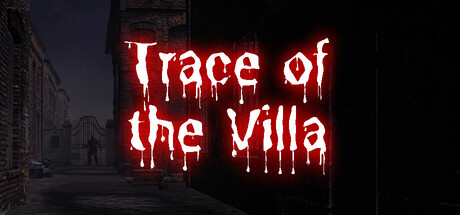
Trace of the Villa — why quiet dread and uncertainty matter more than loud shocks
Trace of the Villa places a lone investigator in a remote, decaying mansion and leans into slow-burn psychological tension: the absence of obvious threats becomes the threat. The game’s premise—Jin searching for a missing sister through recovered manifests and encrypted fragments—makes uncertainty and environmental storytelling the main tools of its horror.

| Title | Trace of the Villa |
|---|---|
| Steam AppID | 3483660 |
| Release date | 28 May, 2026 |
| Developer / Publisher | Steadyturtle Co., Ltd. |
| Genres | Action, Adventure, Indie |
| Key categories | Single-player; Color Alternatives; Custom Volume Controls; Playable without Timed Input; Subtitle Options; Family Sharing |
| Official short description | Jin has spent years searching for his missing sister, pursuing leads that took him to a remote, decaying mansion where he recovered manifests and hints that indicate his sister may still be alive. |
Who this is for
If you prefer psychological investigation to jump-scare spectacle, Trace of the Villa is aimed at players who enjoy atmospheric mystery adventure and clue-driven exploration. It will suit PC players who like methodical pacing, environmental storytelling, and puzzles that reward attention to detail rather than twitch reflexes.
What the game is — the elevator pitch
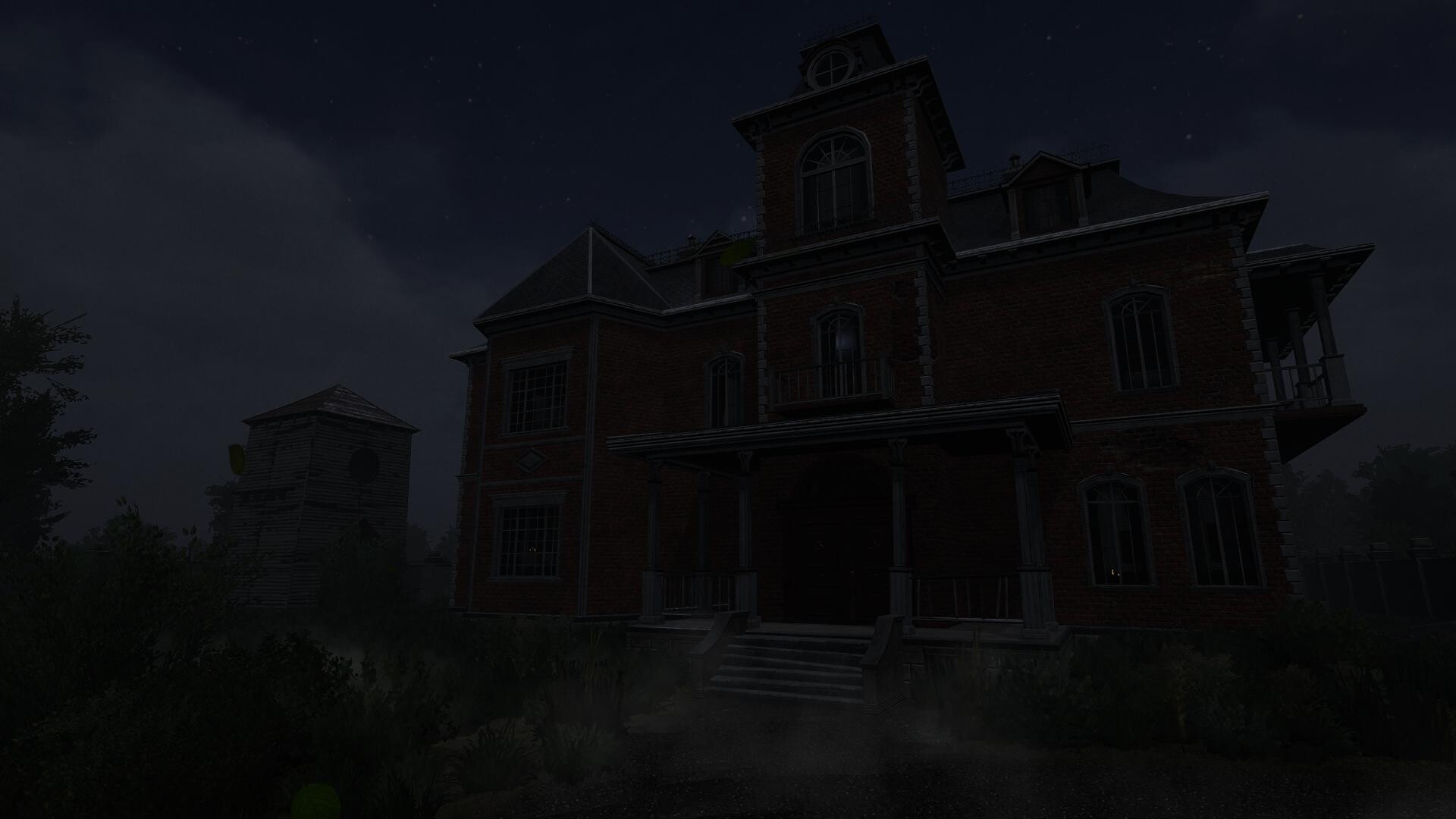
On Steam the official premise centers on Jin, who enters a deliberately forgotten mansion to follow leads about his missing sister. Inside, rooms appear as though their occupants vanished mid-routine; restoring power and accessing secured systems reveals manifests, encrypted documents, and suspicious transfer records that push the investigation forward.
When and where — Steam/PC context
Trace of the Villa released on 28 May, 2026 and is listed on Steam (AppID 3483660). The Steam page lists Steadyturtle Co., Ltd. as both developer and publisher and classifies the title under Action, Adventure, and Indie.
Why the theme matters — the psychology of an empty mansion
Empty rooms, halted routines, and missing names are a different kind of threat than monsters in the dark. The mansion’s erasure of identity—no photographs, falsified records—leverages human pattern-seeking: players fill narrative gaps with hypotheses, and that uncertainty sustains tension. Quiet dread is effective because it forces players to become investigators; the fear arises from what the mind supplies when presented with incomplete information.
How you progress — clues, systems and puzzles
The official description makes clear that progression ties to restoration and discovery: restoring power brings secured systems online, hidden compartments and safes yield fragments of encrypted documents, and manifests/hints point the way. That suggests a loop focused on exploration, puzzle solving, and reading environmental evidence rather than combat-heavy encounters. The Steam categories also note options that support slower play: Playable without Timed Input and Subtitle Options.

Accessibility and play options
Steam metadata lists Color Alternatives, Custom Volume Controls, Subtitle Options, and Playable without Timed Input—features that support varied player needs and a slower, more contemplative pace. The Single-player and Family Sharing categories confirm this is a solo, story-focused experience.
Player scenarios — who should wishlist (and who should pass)
- Wishlist if: you enjoy atmospheric mystery adventure where environmental storytelling and document puzzles lead the narrative; you like slow-burn suspense and assembling timelines from fragments; you want an investigation-first pacing without timed reflex challenges.
- Consider passing if: you need frequent action, combat, or high-intensity jump scares; you prefer concrete answers quickly rather than lingering uncertainty; you rely on multiplayer or shared play experiences.
- Accessibility note: Subtitle Options and Playable without Timed Input make the title amenable to players who prefer slower timings and readable dialogue.
How it compares — nearby mystery and psychological horror titles
Below is a focused editorial comparison on lawful criteria: genre, atmosphere, puzzle focus, exploration style, story tone, and pacing. These are not endorsements—only a way to help readers choose based on preferences.
| Title | Release | Genre / Core focus | Atmosphere & Pacing | Puzzle / Exploration style | Player fit |
|---|---|---|---|---|---|
| Trace of the Villa | 2026 | Action / Adventure / Indie | Slow-burn, empty-mansion dread; investigative | Clue-driven: manifests, encrypted fragments, secured systems | Investigation-first, story-focused players |
| Amnesia: The Dark Descent | 2010 | Action / Adventure / Indie | Immersive, oppressive; tension via helplessness | Environmental puzzles, survival-leaning mechanics | Players who want immersion and dread through vulnerability |
| SOMA | 2015 | Action / Adventure / Indie | Sci-fi existential dread; atmospheric and contemplative | Exploration-heavy, narrative puzzles with philosophical weight | Those who like story questions and uneasy atmosphere |
| Layers of Fear (2016) | 2016 | Adventure / Indie | Psychological, shifting mansion; surreal and art-focused | Hallway/room puzzles tied to narrative reveals and setpieces | Players who want a story told through changing environments |
| Poppy Playtime | 2021 | Action / Adventure / Indie | Playful but threatening; toy-factory dread with higher-intensity moments | Puzzle-adventure with set mechanics (GrabPack) and scripted encounters | Players who want puzzle tools and occasional jump-driven tension |
YouTube discovery
If you want trailers or gameplay clips, use this YouTube search path to find videos related to Trace of the Villa (search results may include trailers, gameplay, or streamer footage; not all videos are official): Steam page
Leave a Reply