
Trace of the Villa: an escape-room style mystery that rewards locked‑room thinking and clue-chain momentum
Trace of the Villa places you in a decaying, deliberately forgotten mansion where every recovered manifest and decrypted fragment pushes Jin closer to answers about his missing sister. The game leans on environmental reading, layered puzzle chains, and a slow-burn investigative tempo that asks players to reconstruct identities from absence rather than exposition.

| Title | Trace of the Villa |
|---|---|
| Developer / Publisher | Steadyturtle Co., Ltd. |
| Release date | 28 May, 2026 |
| Genres | Action, Adventure, Indie |
| Key Steam categories | Single-player; Color Alternatives; Custom Volume Controls; Playable without Timed Input; Subtitle Options; Family Sharing |
| Official short description | Jin has spent years searching for his missing sister, pursuing leads that took him to a remote, decaying mansion where he recovered manifests and hints that indicate his sister may still be alive, somewhere at the end of the trail he is about to follow. |
Who should wishlist Trace of the Villa?
If you prefer atmospheric mystery adventure on PC that privileges environmental storytelling and chained puzzles over combat spectacle, Trace of the Villa is aimed at you. The Steam page lists it as single‑player and explicitly notes “playable without timed input,” which signals a focus on deliberate investigation rather than reflex challenges. Players who enjoy piecing together narrative from objects, records, and locked systems — rather than being handed the plot — will find its slow, investigative rhythm appealing.
What the game is — the setup and tone
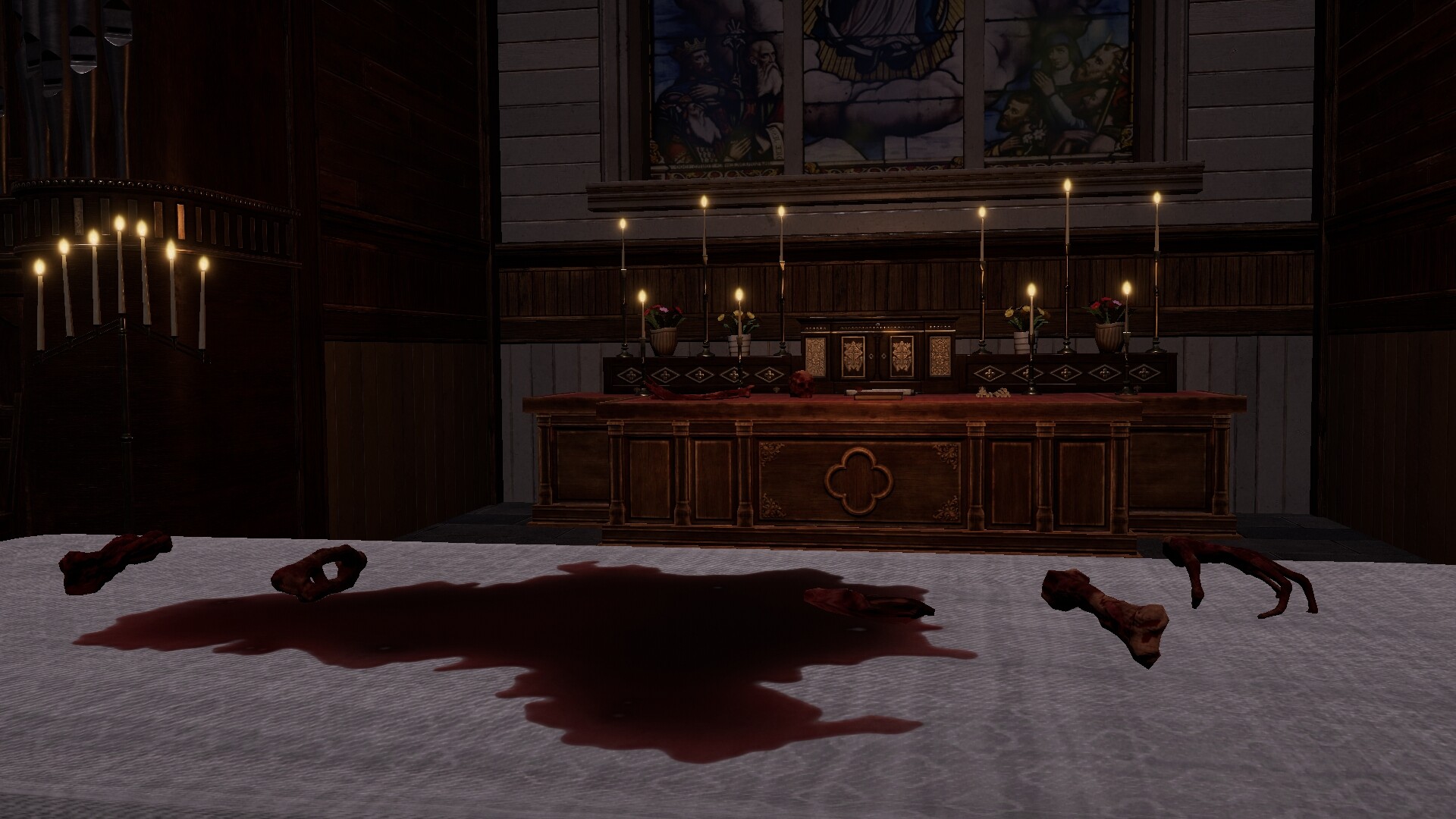
Official Steam text frames the experience around Jin’s search for a missing sister and a lead that brings him to “a decaying mansion… deliberately forgotten.” Rooms feel “less abandoned than erased”: furnished but missing personal identifiers, with documents, encrypted fragments, and suspicious transfer records hidden behind safes and secured systems. When Jin restores power, the estate begins to reveal secured compartments and financial traces that suggest the house was part of a larger, concealed operation.

When and where you can play
Trace of the Villa released on Steam on 28 May, 2026 and is presented for PC in Steam’s store context. The official Steam listing highlights accessibility options such as color alternatives, subtitle options, and custom volume controls, and notes Family Sharing compatibility.
Why the mansion/missing‑identity theme matters
The game’s conceit — a house that appears to have had identities literally removed — shifts player attention from jump scares or spectacle to forensic reading. Locked doors, safes, and encrypted documents frame puzzles as investigative milestones: solving one puzzle typically yields evidence that recontextualizes previous clues, making each solved lock a narrative beat as much as a mechanical reward. For players who enjoy feeling like an investigator rather than an action protagonist, that reframing deepens suspense and makes object clues matter.
How the game asks you to read clues and maintain momentum
Trace of the Villa emphasizes chained puzzle design: manifests, encrypted documents, and secured systems unlock further compartments and reveal financial or identity traces. The official description notes that restoring power brings systems back online and safes yield “fragments of encrypted documents and suspicious transfer records.” That structure encourages iterative hypothesis-testing: you find a fragment, form a working theory about who the occupants were or what operation took place, then seek the next clue that validates or refutes that theory. The result is puzzle-chain momentum rather than isolated riddles — the payoff for solving one puzzle is often a new narrative direction or a new set of tools for the next puzzle.
Player scenarios — who will enjoy which aspects
- The forensic reader: You scan documents, compare manifests, and enjoy deducing meaning from partial records. The mansion’s encrypted fragments and transfer records reward pattern recognition and methodical note‑taking.
- The environmental storyteller: You prefer story revealed through set dressing and objects. Rooms “furnished as if occupants vanished mid‑routine” give you context without direct exposition.
- The methodical puzzler: You like puzzle chains where each solved lock opens a logical next step. The game’s return of power and unlocked systems explicitly ties gameplay to discovery momentum.
- The accessibility‑minded solo player: You want single‑player PC mystery with options like subtitles, color alternatives, and no timed inputs — the Steam listing highlights these categories.
How Trace of the Villa compares to other mystery/puzzle titles
| Game | Atmosphere | Puzzle focus | Exploration style | Pacing / player fit |
|---|---|---|---|---|
| Trace of the Villa | Quiet, decaying mansion with erased identities; investigative, forensic tone. | Chained puzzles tied to documents, safes, and restored systems; clue-driven momentum. | Single‑player, focused room‑to‑room investigation; objects and manifests matter. | Slow‑burn, methodical — suits players who prefer reading and assembling evidence. |
| The Room | Mysterious, locked-room curiosity with tactile, contained dread. | Mechanical, tactile box puzzles with layered mechanisms. | Primarily a single locked‑space exploration per chapter; intimate, object-centric. | Focused, puzzle‑box tempo — excellent for precision puzzlers who like mechanical logic. |
| The Room Two | Expands the eerie, transportive feel into cryptic halls and ancient artifacts. | Similar tactile mechanical puzzles with evolving complexity and context. | Multiple interconnected locations with a continuity of puzzle devices. | Steady escalation — fits players who enjoyed the original and want broader scope. |
| Escape Simulator | Brightly interactive rooms designed around emergent manipulation and physics. | Highly interactive object use, room interaction, and community rooms via workshop. | Wide variety of rooms and styles; solo or co‑op, sandbox tools for custom rooms. | Faster, tactile, and social — for players who enjoy hands‑on manipulation and variety. |
Use the table as a guide: if you want tight, object-centric mechanical puzzles, The Room series fits that appetite; if you want interactive variety and co‑op or community content, Escape Simulator offers a different kind of escape-room play. Trace of the Villa sits between those poles as a story‑driven, clue‑heavy mansion mystery with narrative puzzle chains and investigative payoff.
YouTube discovery
For trailers and gameplay footage, search YouTube using this discovery URL (results may include trailers, streams, and fan content): YouTube search: Trace of the Villa trailer & gameplay.
Final decision guide — should you wishlist it?
Wishlist Trace of the Villa if you prioritize atmospheric mystery adventure, enjoy reconstructing narratives from object clues and documents, and like puzzles that unlock further narrative threads rather than standalone riddles. The Steam listing’s accessibility options and “playable without timed input” tag suggest the game accommodates a reflective playstyle. If you prefer fast‑paced or highly physical puzzle interaction and community rooms, consider how Escape Simulator and tactile puzzle titles compare before deciding.
Leave a Reply