
Trace of the Villa — an escape-room style mystery for environmental puzzle fans
Trace of the Villa casts you as Jin, a private investigator following fractured manifests and buried hints through a remote, decaying mansion where pieces of a long-erased life sit frozen in time. The game leans on locked-room thinking, chained puzzles and close environmental reading: each restore of power, unlocked safe, or recovered document creates a tangible breadcrumb that pushes the investigation forward.

Quick facts
| Title | Trace of the Villa |
|---|---|
| Developer / Publisher | Steadyturtle Co., Ltd. |
| Release date | 28 May, 2026 |
| Steam AppID | 3483660 |
| Genres | Action, Adventure, Indie |
| Notable Steam categories | Single-player; Color Alternatives; Custom Volume Controls; Playable without Timed Input; Subtitle Options; Family Sharing |
Who this is for
If you prize methodical puzzle chains, atmospheric detective work and environmental storytelling, Trace of the Villa is pitched at you. Players who enjoy reading rooms for context clues, following physical evidence from object to object, and letting a slow-burning mystery unfold will likely find the pacing and design familiar. It also suits PC players who prefer single-player, subtitle-friendly experiences without timed input pressure (the Steam categories list Playable without Timed Input and Subtitle Options).
What the game is
Trace of the Villa puts Jin into a deliberately forgotten mansion after years searching for his missing sister. The estate shows signs of past occupancy but an absence of identity: no photos, no names, rooms left mid-routine. As Jin restores systems and opens secured compartments, the house yields fragments—manifests, encrypted documents, suspicious transfer records—that assemble into a puzzle chain hinting at a larger, controlled operation.
When and where
Trace of the Villa released on 28 May, 2026 and is available on Steam for PC. The official Steam store page lists developer and publisher as Steadyturtle Co., Ltd. and the store entry includes the title’s header image and multiple screenshots for players to inspect before buying or wishlisting.
Why the mansion setting matters
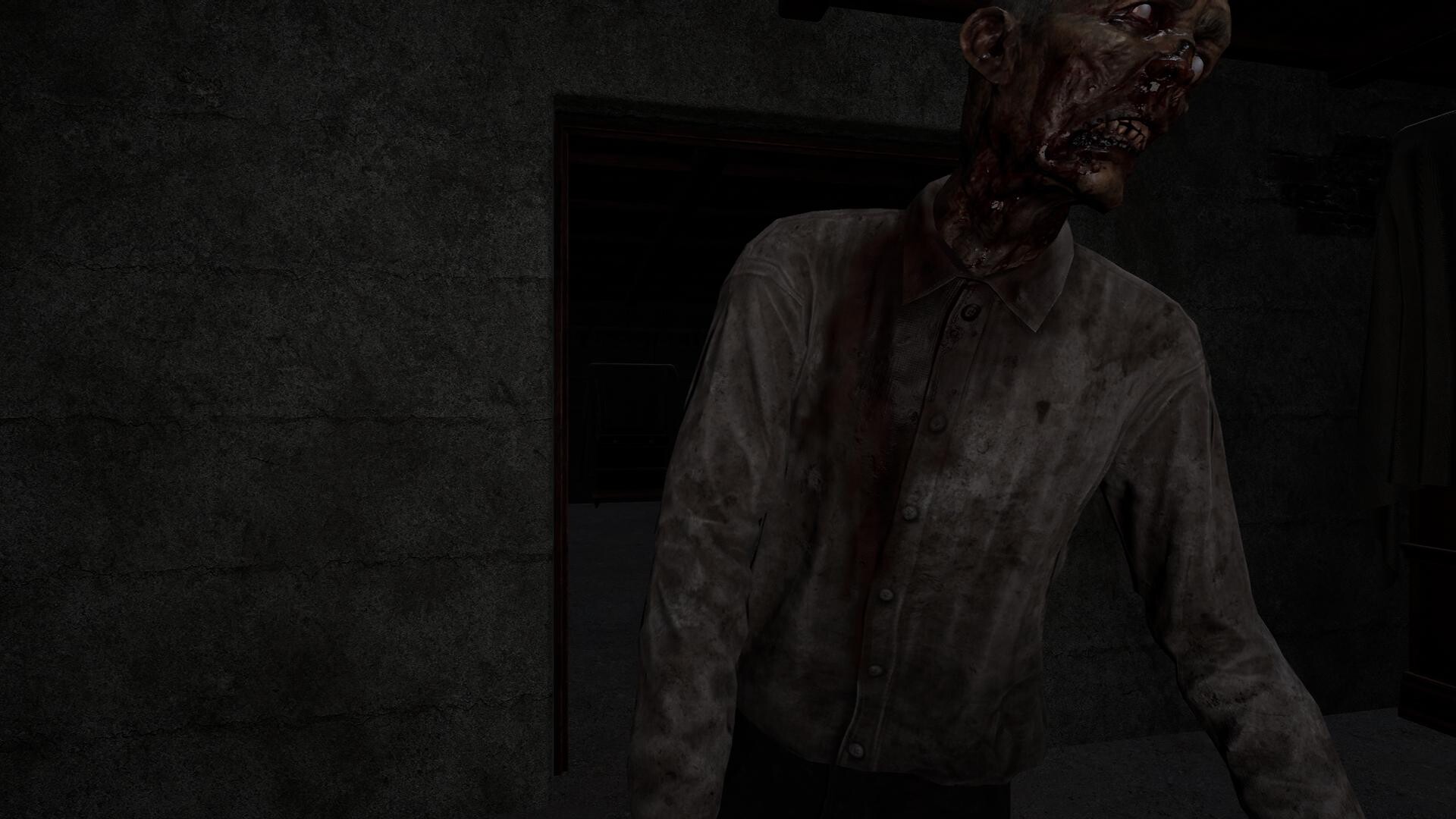
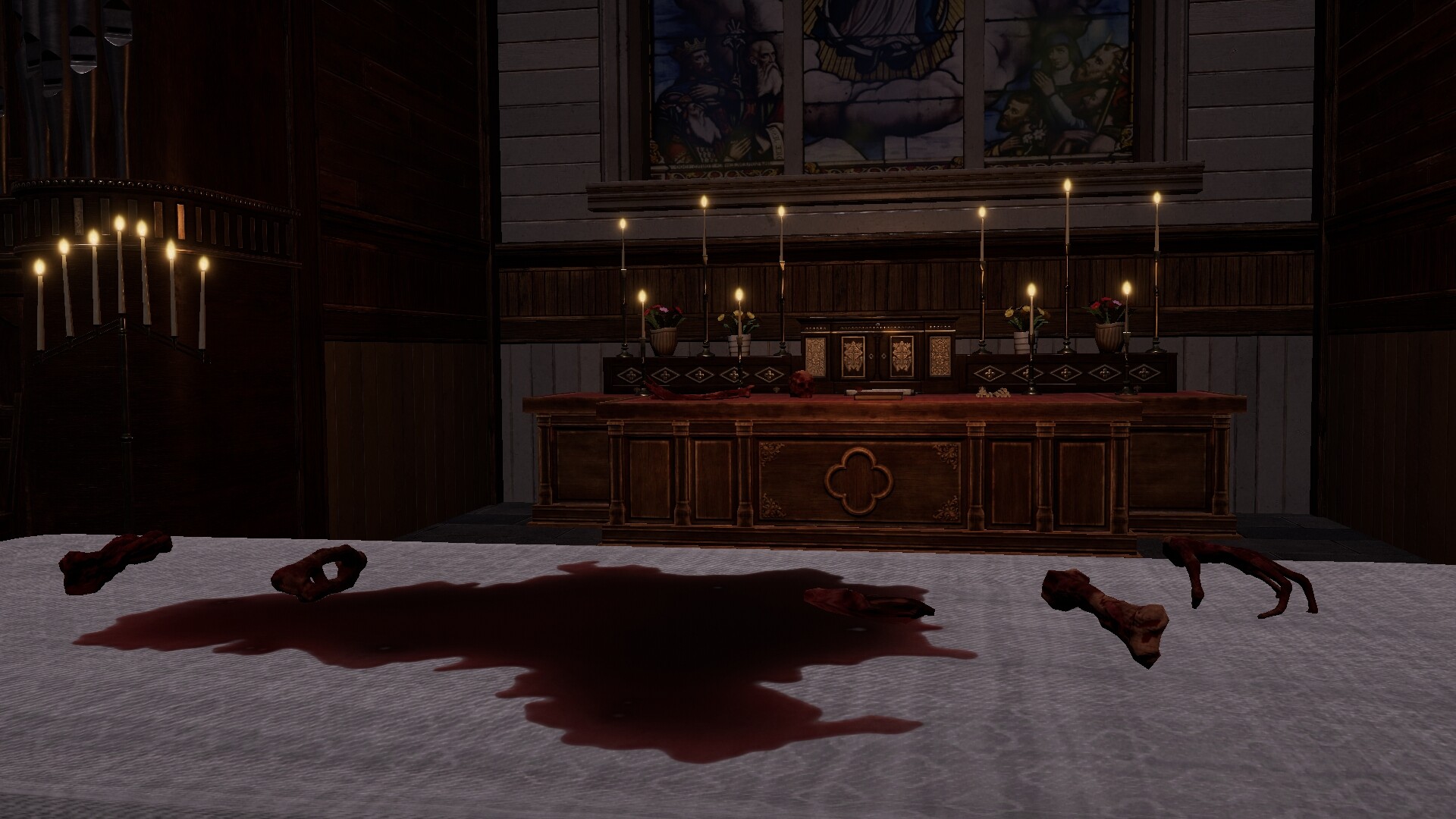
A mansion that feels “erased” forces players to treat décor and small objects as forensic evidence. The absence of obvious backstory turns every misplaced item, locked door and flicker of restored power into a clue that must be linked to other clues. That design choice emphasizes chained puzzles—solve one lock, gain a lead that reveals a code, use the code to open a safe that contains the next lead—making the environment itself the primary narrative engine.
How you read clues and make progress
The official description highlights concrete mechanics that shape player method: restoring power brings systems back online; hidden compartments and safes yield encrypted documents and transfer records; manifests and scattered notes point to movements masked behind falsified identities. Progress is therefore less about isolated riddles and more about puzzle-chain momentum: one solved object reveals context and tools for the next, so attentive note-taking and cross-referencing of found items matter.
Player scenarios — who will get the most from it
- The methodical detective: You prefer pacing that rewards careful note-taking and cross-referencing. The game’s chain-of-clues structure is designed around discoveries that unlock further leads.
- The environmental reader: If you enjoy drawing narrative from decor, utility items and power systems coming back online, the mansion’s “erased” state turns every object into a potential piece of evidence.
- The narrative-first puzzler: You value story context tied directly to puzzle outcomes—safes and encrypted documents aren’t just locks, they’re story beats that explain why people vanished and where the investigation points next.
How it compares to nearby mystery/puzzle games
The comparisons below are editorial and focus on genre, atmosphere and puzzle approach rather than sales or ratings.
| Title | Genre / Focus | Atmosphere | Puzzle style | Exploration / Pacing |
|---|---|---|---|---|
| Trace of the Villa | Action, Adventure, Indie | Mansion mystery; slow, unsettling and forensic | Clue chains, locked compartments, document-driven | Room-by-room reconstruction and investigative momentum |
| The Room | Adventure, Indie | Closed, tactile, occasionally occult | Physical safes and mechanical puzzles focused on a single-object-to-solve loop | Compact, highly tactile, concentrated puzzle boxes |
| The Room Two | Adventure, Indie | Cryptic, atmospheric, layered | Successive mechanical puzzles that escalate complexity | Longer puzzle sequences across interconnected set pieces |
| Escape Simulator | Adventure, Casual, Indie, Simulation | Varied by room; anything from light puzzling to heavy interaction | Highly interactive object manipulation; physics and emergent solutions | Player-driven pacing with an emphasis on interactivity and sandbox puzzles |
| Hi‑Fi RUSH | Action | Energetic, music-driven | Combat and rhythm mechanics rather than investigative puzzles | Fast-paced, arcade-style progression |
Editorial takeaway: if your priority is chained, document- and environment-led investigation in a slow-burn mansion mystery, Trace of the Villa orients itself toward that audience rather than the close-up mechanical safe puzzles of The Room or the high-interaction sandbox rooms of Escape Simulator.
Where to find trailers and gameplay
If you want to watch trailers or gameplay footage, use this YouTube search path (search results may include official and community content): Trace of the Villa trailer & gameplay (YouTube search).
Should you wishlist it?
Wishlist Trace of the Villa if you enjoy investigative pacing tied to environmental reading, appreciate subtitle options and non-timed inputs, and like mystery adventures that build momentum via object-to-object clue chains. If your preference leans toward action-heavy combat or purely single-object puzzle boxes, other titles may align more closely with those tastes.
Disclaimer: referenced titles and trademarks belong to their respective owners. Comparisons above are editorial discovery only and do not imply endorsement or affiliation.
Leave a Reply