
Trace of the Villa: an inspection-heavy mansion mystery for clue-driven players
Trace of the Villa places Jin inside a remote, decaying mansion where recovered manifests and half-erased rooms point to a larger, concealed operation and the possibility his missing sister is still alive. Its design favors slow, inspection-heavy play—object logic, chained clues, and environmental reading over timed reflexes.

Who is this for?
If you gravitate toward atmospheric mystery adventure and story-rich exploration that rewards careful inspection, Trace of the Villa is aimed at you. The Steam categories list it as Single-player with accessibility touches (Color Alternatives, Custom Volume Controls, Subtitle Options) and it explicitly supports play without timed input—a clear signal the design privileges deliberate investigation over twitch mechanics.
What the game is — facts at a glance
| Title | Trace of the Villa |
|---|---|
| Developer / Publisher | Steadyturtle Co., Ltd. |
| Release date | 28 May, 2026 |
| Steam AppID | 3483660 |
| Genres | Action, Adventure, Indie |
| Categories / Features | Single-player; Color Alternatives; Custom Volume Controls; Playable without Timed Input; Subtitle Options; Family Sharing |
| Official short description | Jin has spent years searching for his missing sister, pursuing leads that took him to a remote, decaying mansion where he recovered manifests and hints that indicate his sister may still be alive, somewhere at the end of the trail he is about to follow. |
When and where — Steam context
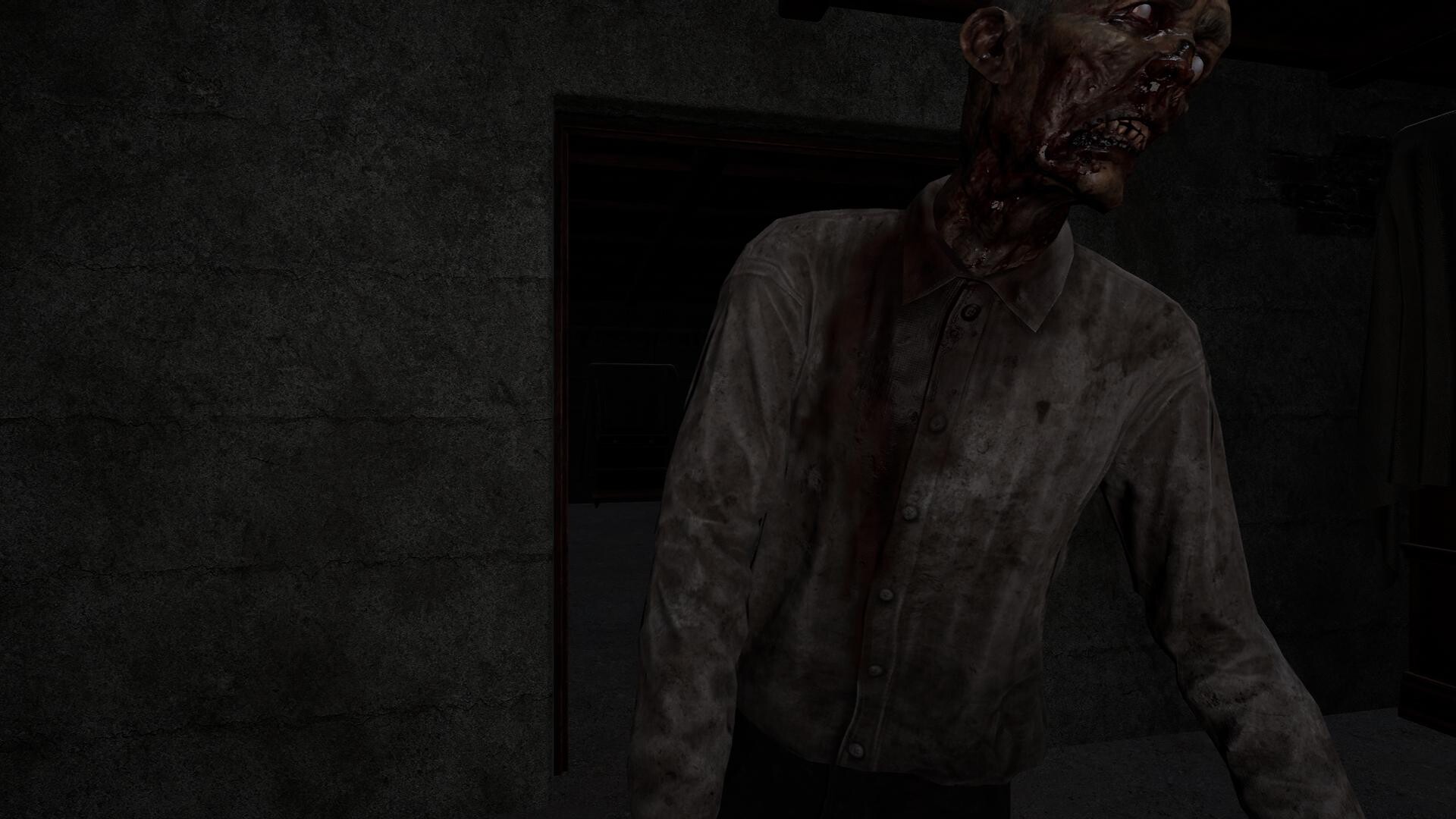
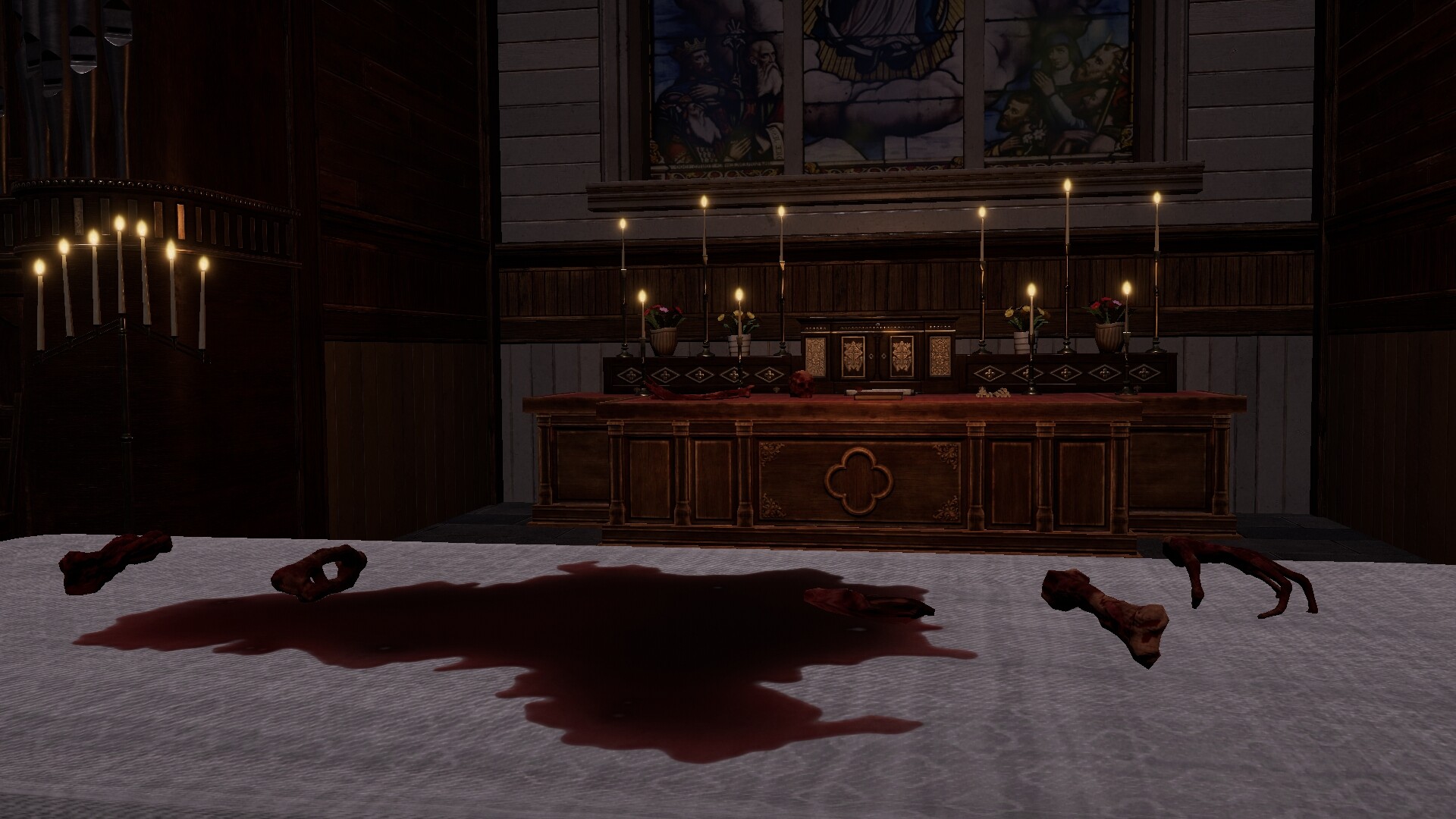
Trace of the Villa released on 28 May, 2026 and is listed on Steam (AppID 3483660). The Steam page includes multiple screenshots, a header image, and descriptors that underline the single-player, inspection-friendly design. If you want to check store details or wishlist it on Steam, use the link below before the embedded widget.
Why the theme matters — the mansion as an investigative engine
The official description frames the mansion as more than a setting: it’s mechanized narrative scaffolding. Restoring power brings systems back online; secured systems and safes produce fragments of encrypted documents and suspicious transfer records. That setup turns the physical space into a clue network where reading the environment—what’s present, what’s been removed, what systems remember—becomes the primary mode of progress. For players who enjoy environmental storytelling and slow-burn suspense, that focus gives every object potential narrative weight.
How you read clues and progress
- Systems-first moments: the description explicitly notes restoring power and secured systems coming back online. Expect puzzle progression tied to toggling or reactivating estate infrastructure rather than purely inventory-based key gathering.
- Object logic and chained clues: safes, hidden compartments and encrypted fragments are called out; those elements suggest a chainable discovery model where one unlocked piece reveals the next lead.
- Environmental reading: rooms furnished as if occupants vanished and absences (no photographs, no names) are narrative clues in themselves—reading what’s missing is as important as what’s found.
These design cues align with an inspection-heavy playstyle: methodical scanning, hypothesis-testing about objects and systems, and patience to piece together a timeline from partial records.
Player scenarios — who should wishlist this
- You like methodical mystery: If your satisfaction comes from spotting a subtle inconsistency in a room, then following that discrepancy to a locked cabinet, and then decrypting what you find—this fits your approach.
- You prefer narrative puzzle chains: The listed progression (power → systems → safes → documents) implies puzzles feed directly into narrative beats rather than being detached minigames.
- You avoid timed pressure: Steam metadata explicitly lists “Playable without Timed Input,” so players who dislike time constraints or reflex challenges can engage at their own pace.
- You value accessibility and single-player focus: Color alternatives, custom volume controls and subtitles are available; the game is positioned as a solo experience.
How Trace of the Villa compares to nearby mystery and puzzle games
| Title | Core genre / atmosphere | Puzzle focus | Exploration & pacing | Player fit |
|---|
Leave a Reply