
Trace of the Villa — a slow-burn mansion mystery for clue-first players
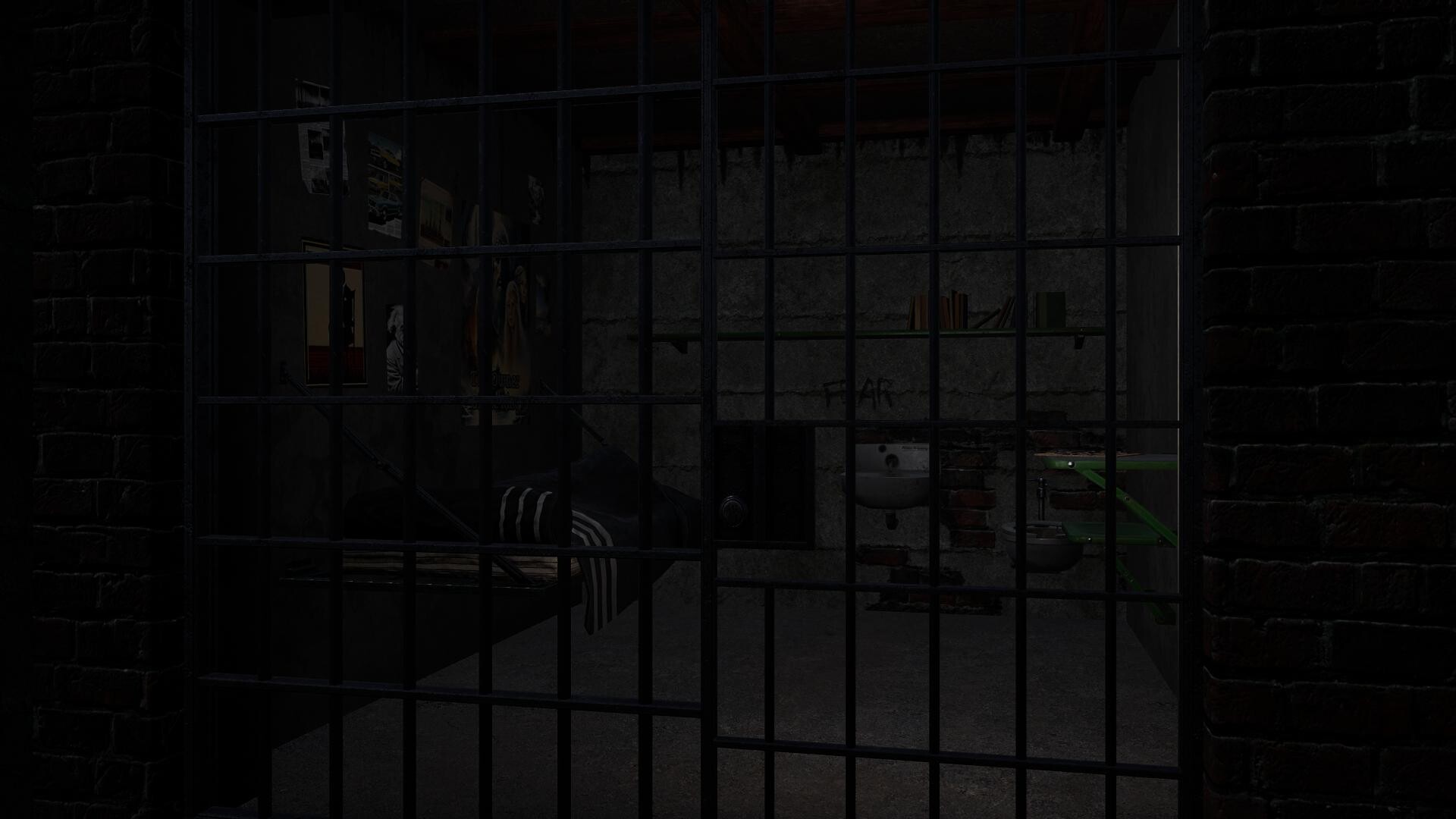
Jin arrives at a remote, decaying mansion with manifests and hints that suggest his missing sister might still be alive. Trace of the Villa (Steadyturtle Co., Ltd., released 28 May, 2026) leans on environmental storytelling and encrypted fragments to push players toward reading between the lines rather than relying on jump scares.

Quick facts
| Title | Trace of the Villa |
|---|---|
| Developer / Publisher | Steadyturtle Co., Ltd. |
| Release date | 28 May, 2026 |
| Steam AppID | 3483660 |
| Genres | Action, Adventure, Indie |
| Categories | Single-player; Color Alternatives; Custom Volume Controls; Playable without Timed Input; Subtitle Options; Family Sharing |
Who is this for?
Trace of the Villa is aimed at players who prefer story-first mystery design: people who prize atmospheric investigation, careful note-taking, and narrative payoff that arrives after assembling disparate fragments. If you enjoy slow-burn suspense, environmental storytelling, and puzzles that reveal backstory rather than only test dexterity, this is the sort of indie mystery you should watch or wishlist.
What the game is — official premise and tone
According to the Steam page, “Jin has spent years searching for his missing sister, pursuing leads that took him to a remote, decaying mansion where he recovered manifests and hints that indicate his sister may still be alive, somewhere at the end of the trail he is about to follow.” The longer official summary describes a property “cut off from the grid and deliberately forgotten,” rooms left as if occupants vanished mid-routine, secured systems that awaken when power is restored, and fragments of encrypted documents and suspicious transfer records that point to a larger, concealed operation.
When and where — how to find it on Steam
Trace of the Villa released on 28 May, 2026 and is available on Steam for PC. If this style of mystery interests you, you can visit the Steam page directly: Trace of the Villa on Steam.
Why this narrative focus matters
Story-first mystery design matters because it expects the player to act like an investigator: reading manifests, restoring systems, and treating the environment as a text to be interpreted. Trace of the Villa’s premise — erased identities, falsified records, and a house that was “never just a residence” — promises the kind of hidden backstory that rewards careful attention. For players who prefer implication to exposition, a game that layers encrypted documents and physical clues across rooms can provoke a deeper emotional interest in the stakes behind each discovery.
How you uncover meaning and progress
The Steam description outlines the primary investigation loop: restore power, bring secured systems back online, unlock hidden compartments, and decrypt fragments to reconstruct a timeline. Those actions translate into a clue-driven progression where solving puzzles doesn’t only win a door — it yields records and financial trails that change what the player understands about the mansion’s purpose.
Player scenarios — which playstyles will fit best
- The patient reader: You keep notes, backtrack to re-check rooms, and enjoy when a seemingly minor ledger entry reframes everything. You’ll appreciate the manifests and encrypted fragments Trace of the Villa uses to layer its backstory.
- The methodical puzzler: You like tactile puzzle loops that unlock narrative pieces. If you prefer puzzles that feed story rather than puzzles as isolated obstacles, this game aligns with that design.
- The atmospheric explorer: You want an eerie, coherent setting where silence and staging tell as much as spoken lines. Trace of the Villa’s “erased” house concept will reward your attention to environment and mood.

How it compares — short editorial table
| Game | Core mystery style | Puzzle focus | Exploration | Story tone | Pacing / Player fit |
|---|---|---|---|---|---|
| Trace of the Villa | Mansion mystery; environmental storytelling | Clue-driven puzzles that unlock documents and systems | Room-by-room investigation, restoring power and access | Slow-burn, investigative, quietly unsettling | Best for patient players who read the environment for answers |
| Inscryption | Card-based odyssey with layered secrets | Deckbuilding, escape-room style puzzle elements | Dense, focused areas revealed through card mechanics | Psychological horror, metafictional | For players who like puzzle systems that reveal narrative twists |
| Outer Wilds | Open-world solar system mystery | Puzzles integrated with environmental mechanics and physics | Freeform exploration across planets and timelines | Cerebral, wistful discovery | For explorers who enjoy systemic mystery and slow revelations |
| Journey | Exploratory, symbolic discovery | Minimal puzzles; focus on traversal and atmosphere | Open, ruin-filled landscapes | Quiet, elegiac, emotional | For players seeking mood and non-verbal storytelling |
| The Forgotten City | Narrative time-loop investigation | Puzzles tied to moral choices and loop mechanics | Interconnected city to probe and re-enter | Philosophical mystery, high stakes | For narratives where player choice reshapes revelations |
| The Medium | Dual-reality psychological investigation | Puzzles that use two overlapping realms | Linear but layered spaces across world/spirit realms | Psychological horror, reflective | For players drawn to theme-driven puzzles and atmosphere |
Trailer and further discovery
If you want a quick sense of tone and mechanics, search for trailers and gameplay on YouTube: Trace of the Villa trailer & gameplay (YouTube search). Note: use the search path above to find community uploads and trailers; the search is presented for discovery and not as a verification of an official video.
Disclaimer: referenced titles and trademarks belong to their
Leave a Reply