
Trace of the Villa — a premise-first guide for players who want story context without spoilers
Trace of the Villa drops you into a narrow, investigation-led mystery: Jin has been tracing a missing sister to a remote, decaying mansion where recovered manifests and hints suggest she may still be alive. This guide lays out the who, what, when, where, why and how of the game’s premise so you can decide if its slow-burn, clue-driven exploration fits your tastes—no story spoilers, only context.


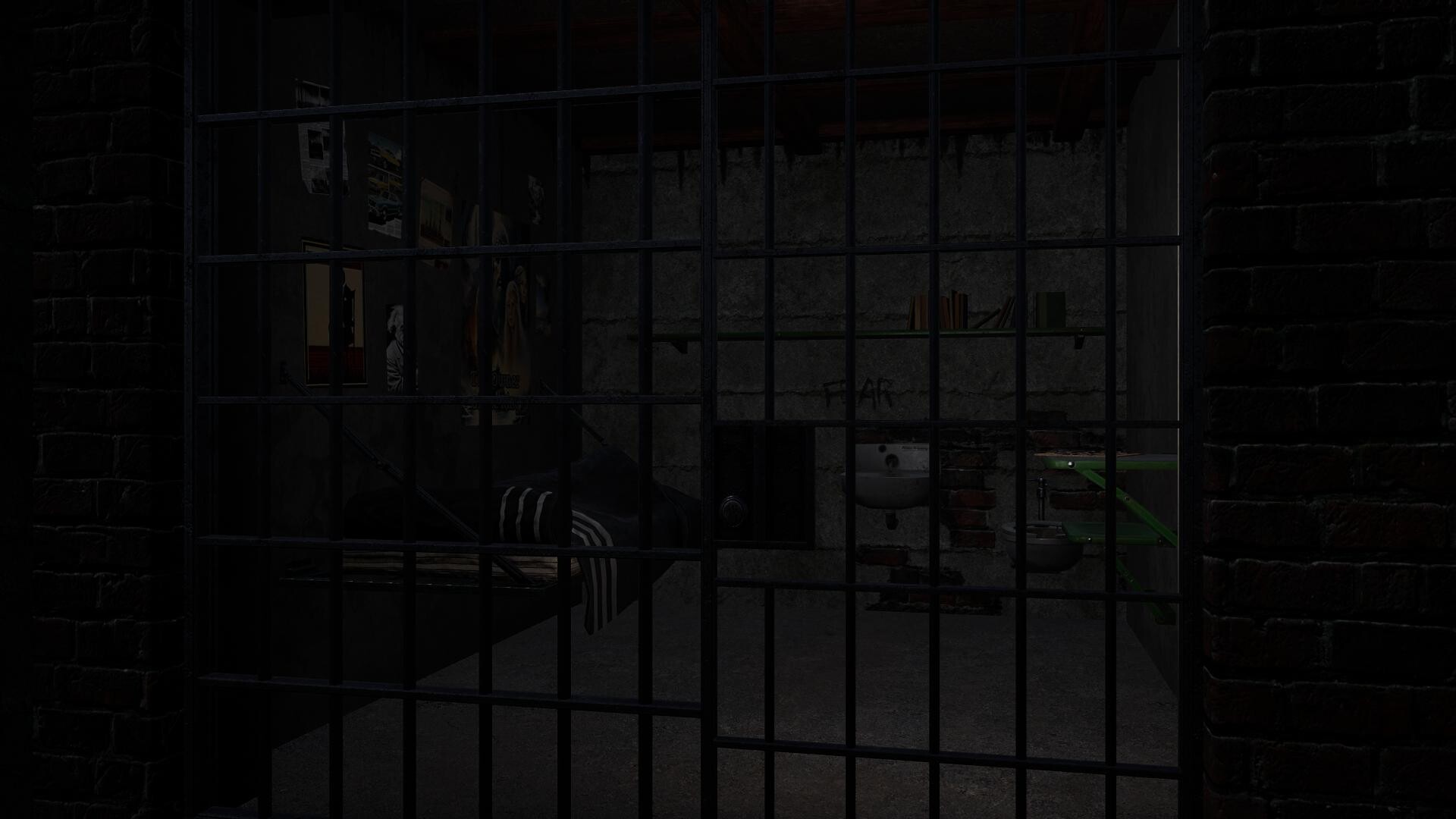
Quick facts
| Title | Trace of the Villa |
|---|---|
| Steam appid | 3483660 |
| Release date | 28 May, 2026 |
| Developer / Publisher | Steadyturtle Co., Ltd. |
| Genres | Action, Adventure, Indie |
| Categories (selected) | Single-player; Color Alternatives; Custom Volume Controls; Playable without Timed Input; Subtitle Options; Family Sharing |
Who is this for?
If you prize narrative curiosity—wanting to enter a world with an immediately compelling human motive (a missing sister) and a deliberately obfuscated history—Trace of the Villa is pitched at you. The Steam premise emphasizes discovery via manifests, encrypted fragments and a mansion that feels “less abandoned than erased.” Players who prefer environmental storytelling, slow-burn suspense, and clue-driven investigation over loud action sequences are the natural audience.
What the game is (premise-first)
Officially: Jin has spent years searching for his missing sister. A lead brings him to a decaying, off-grid mansion where he recovers manifests and hints that she may still be alive somewhere at the end of the trail. Inside, rooms remain furnished as if occupants vanished mid-routine, personal items are present but stripped of names or photographs, and identities appear to have been intentionally removed. When Jin restores power to the estate, secured systems come back online: hidden compartments unlock, safes yield fragments of encrypted documents and suspicious transfer records, and each solved puzzle reveals further layers of a carefully concealed operation. The setup emphasizes piecing together timeline and motive rather than spoon-feeding the backstory.
When and where (Steam / PC context)
Trace of the Villa released on 28 May, 2026 and is available on Steam. The store page lists Steadyturtle Co., Ltd. as both developer and publisher and classifies the title under Action, Adventure, and Indie. The Steam categories include accessibility and quality-of-life options such as subtitle options, color alternatives, and controls that allow play without timed input—useful if you prefer a measured, investigative pace.
Why the theme matters
The game’s central conceit—people deliberately erased, arrivals without records, systems brought back to life to reveal traces—positions the mansion not just as set dressing but as an investigative machine. That matters if you enjoy stories where the environment is the narrator: physical clues, redacted records and recovered manifests create a chain of inference you reconstruct as a player. The emotional hook (Jin’s search for his sister) provides a human throughline that keeps the procedural research grounded in stakes.
How you read clues and progress (no spoilers)
- Investigative beats, not combat beats: official text highlights restoring power and accessing secured systems as key moments—expect puzzles that unlock narrative artifacts rather than primarily action-driven progression.
- Layered reveals: safes, encrypted documents, and hidden compartments are called out by the developer description; progression appears tied to unlocking systems that then expose further traces.
- Environmental erasure as a storytelling device: spaces are furnished yet depersonalized, so interpretation of objects and omissions is part of the puzzle. Look for absences (missing photos, redacted names) as much as for physical items.
Player scenarios — which type of sessions fit Trace of the Villa?
- Evening detective session: you want a focused two-to-four-hour block to follow clues in a paced, careful way rather than reflex-driven play.
- Archive puzzle fan: you enjoy cataloguing finds—manifests, transfer records, encrypted fragments—and assembling a timeline from paperwork and systems returns.
- Mood-first player: you value atmosphere and slow suspense; you want tension built from omissions and implication rather than jump scares.
- Accessibility-minded player: the presence of subtitle options, color alternatives and “playable without timed input” suggests the game can be played at an investigative tempo that suits readers and non-quick-reaction players.
How Trace of the Villa compares (editorial discovery)
Below is a compact, lawfully framed comparison with nearby story-rich mystery and exploration titles. This is intended to help you decide which aspects of Trace of the Villa align with your preferences—genre, atmosphere, puzzle focus, exploration style, story tone and pacing are the criteria used.
| Title | Genre / Core feel | Atmosphere | Puzzle focus | Exploration style | Story tone / Pacing | Who might prefer it |
|---|---|---|---|---|---|---|
| Trace of the Villa | Action / Adventure / Indie — investigation-led | Mansion mystery; erased identities; slow-burn suspense | Document and system-driven puzzles; unlocking layers of evidence | Contained, estate-scale exploration with systemic reveals | Measured, clue-driven; personal stakes (missing sister) | Players who like environmental storytelling and narrative puzzles |
| Inscryption | Adventure / Indie / Strategy — card-driven odyssey | Inky, psychological horror | Escape-room style puzzles blended with card mechanics | Meta-layered; shifts between card table and wider environments | Twisty, boundary-pushing, psychological | Those seeking a genre-bending, unsettling puzzle experience |
| Outer Wilds | Action / Adventure — open-world mystery | Curious, melancholic cosmic exploration | Puzzle-through-exploration, physics and timeline-based discovery | Open solar-system scale, non-linear discovery | Gradual, emergent revelations across multiple visits | Players who like reconstructing timelines at their own pace |
| Journey | Adventure / Indie — evocative exploration | Minimalist, meditative and emotional | Atmosphere and movement over formal puzzles | Linear but open-feeling sweeping landscapes | Slow, contemplative, wordless | Players who value tone and short, moving sessions |
Leave a Reply