
Trace of the Villa — a slow-burning mansion mystery built on missing-person stakes
Jin has spent years searching for his missing sister; his latest lead points to a remote, decaying mansion that seems deliberately erased from history. Trace of the Villa (Steadyturtle Co., Ltd., release date 28 May, 2026) frames that personal pursuit as an investigation that unfolds by restoring a house’s systems, solving puzzles, and following fragments of falsified identity.

Quick facts
| Title | Trace of the Villa |
|---|---|
| Steam App ID | 3483660 |
| Developer / Publisher | Steadyturtle Co., Ltd. |
| Release date | 28 May, 2026 |
| Genres | Action, Adventure, Indie |
| Key Steam categories | Single-player; Color Alternatives; Custom Volume Controls; Playable without Timed Input; Subtitle Options; Family Sharing |
| Official premise | Jin searches for his missing sister and follows evidence to a remote, decaying mansion where manifests and hints suggest she may still be alive. |
| User reviews on Steam | No user reviews (as of publication) |
Who this is for
Trace of the Villa is aimed at players who want a personal, detective-flavored mystery rather than pure jump-scare horror. If you prize environmental storytelling, puzzle-led progression, and a protagonist with an explicitly stated missing-person motive, this title is tuned to that appetite. The official description centers a personal stake — Jin’s sister — which steers the tone toward investigative suspense instead of abstract dread.
What the game is
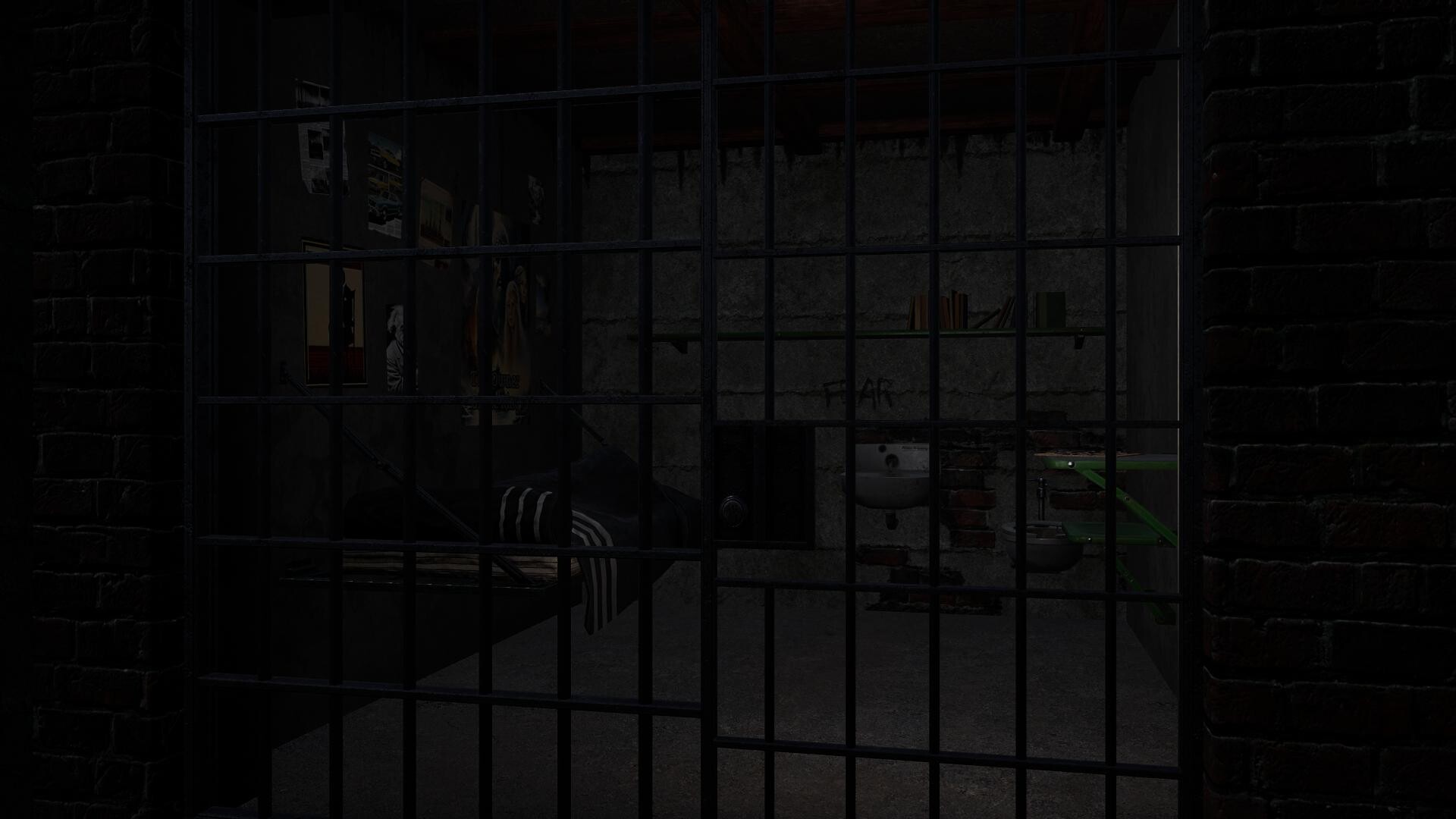
Officially categorized as Action / Adventure / Indie, Trace of the Villa invites players into a mansion that feels “less abandoned than erased.” The estate contains furnished rooms frozen mid-routine, locked doors, hidden compartments, safes with fragments of encrypted documents, and suspicious transfer records. Restoring power to the property is a gameplay beat called out in the official description — it’s how secured systems come back online and how the house begins to reveal what it was hiding.
When and where
Trace of the Villa launched on Steam on 28 May, 2026. It’s a PC/Steam release by Steadyturtle Co., Ltd.; the Steam product page is the primary storefront for the title.
Why the missing-person angle matters here
Missing-person stakes change how exploration reads. The traces you uncover—manifests, falsified identities, transfer records—aren’t just world-building; they’re evidence. Because the protagonist’s goal is specific (find his sister), every unlocked compartment and decrypted fragment recalibrates what Jin thinks happened and where the trail continues. That keeps the tension anchored to a human motive instead of an abstract “mansion is haunted” conceit.
How you progress — the investigation loop
The official description describes a clear investigative loop: restore systems, unlock secured areas, recover documents and manifests, and follow financial or identity traces that lead to new locations inside the estate. Puzzles are narrative devices — solving them yields safes, encrypted fragments, or systems that reframe the timeline. Expect exploration that rewards careful reading of environments and collected records.

Player scenarios — when you should wishlist this
- You like narrative puzzles tied to evidence: If you prefer unlocking story through documents, manifests, and environmental clues rather than cutscenes, Trace of the Villa’s documented design will appeal.
- You want a specific emotional objective: The search for a missing sister gives exploration an emotional through-line; players who want motive-driven investigation over abstract atmosphere will feel rewarded.
- You value measured pacing and unfolding revelations: The official tone stresses slow reveals—systems that come back online and layers of falsified identity—so expect a slow-burn rhythm rather than nonstop action.
- You need accessibility options: Steam categories list subtitles, color alternatives, custom volume controls, and playable-without-timed-input options, which matter if you prefer reading and puzzle time over reflex demands.
How Trace of the Villa compares (editorial discovery)
Below is a compact editorial comparison on lawful criteria: genre, atmosphere, puzzle focus, exploration style, story tone, and pacing. These are intended to help readers decide if the title fits their tastes.
| Title | Core focus | Atmosphere | Puzzle / exploration | Story tone / pacing | Who might prefer it |
|---|---|---|---|---|---|
| Trace of the Villa | Missing-person investigation in a mansion | Quiet, erased, investigative | Clue-driven: restore systems, decrypt fragments, unlock compartments | Slow-burn, motive-driven | Players who want evidence-based mystery and environmental storytelling |
| Inscryption | Card-based odyssey blending puzzles and horror | Inky, claustrophobic, metafictional | Puzzle and deckbuilding with escape-room elements | Psychological escalation and surprise structural shifts | Players who enjoy genre-bending, tension-filled puzzle systems |
| Outer Wilds | Open-world solar-system mystery | Curiosity-driven, wondrous, melancholic | Exploration and timeline puzzles across locations | Patient, discovery-first pacing | Players who like open exploration and piecing together a larger cosmic timeline |
| Journey | Minimalist exploration and emotional arc | Expansive, meditative, symbolic | Traversal and environmental cues rather than overt puzzles | Gentle, wordless progression | Players seeking an evocative, low-information experience |
| The Forgotten City | Narrative-driven time-loop mystery | Ancient, moralistic, suspenseful | Dialogue, consequence-driven puzzles, and timeline mechanics | Layered revelations with a central ethical dilemma | Players who enjoy branching narrative puzzles tied to stakes for many characters |
Leave a Reply