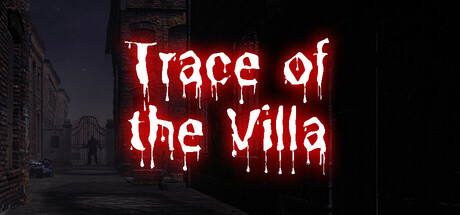
Trace of the Villa: why quiet tension and uncertainty matter more than shock claims
Trace of the Villa (Steadyturtle Co., Ltd., released 28 May, 2026) is built around a single, patient question: what happened in a remote, deliberately forgotten mansion? The game frames its horror as investigation and slow unspooling — a mood-driven, clue-led mystery where the dread comes from gaps in the story as much as anything you see on-screen.

Quick facts
| Title | Trace of the Villa |
|---|---|
| Steam appid | 3483660 |
| Release date | 28 May, 2026 |
| Developer / Publisher | Steadyturtle Co., Ltd. |
| Genres | Action, Adventure, Indie |
| Categories | Single-player; Color Alternatives; Custom Volume Controls; Playable without Timed Input; Subtitle Options; Family Sharing |
Who, what, when, where, why, how
Who is this for?
This is for players who prefer slow-burn suspense over loud shocks: people drawn to atmospheric mystery adventure, environmental storytelling, and story-rich investigation. If you like piecing together narratives from manifests, logs, and furnished rooms that feel frozen mid-life, Trace of the Villa is aimed at that audience rather than those chasing constant action or frequent jump scares.
What is the game?
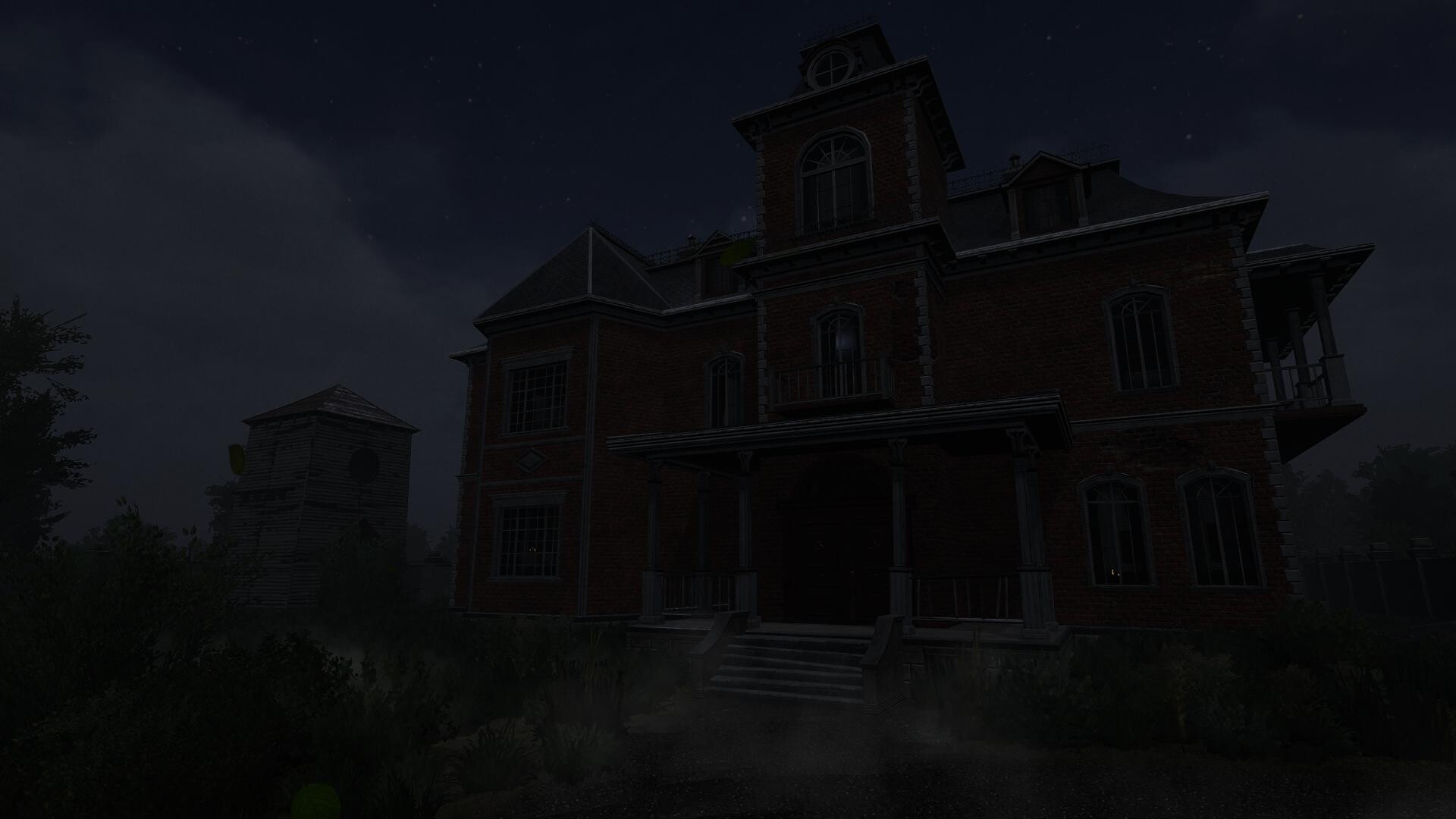
Trace of the Villa follows Jin, a protagonist who has spent years searching for his missing sister. Leads take him to a remote, decaying mansion where recovered manifests and other hints suggest his sister may still be alive somewhere at the end of the trail. The mansion plays like a puzzle-box of erased identities and secure systems: restored power unlocks hidden compartments, safes yield encrypted documents, and each discovered fragment implies a larger, concealed operation.
When and where is it available?
Trace of the Villa released on 28 May, 2026 and is available on Steam. The Steam page includes accessibility-oriented categories such as Subtitle Options, Custom Volume Controls and the option to play without timed input — details that matter for players who value pacing and careful reading of their surroundings.
Why does the quiet tension matter?
Psychological horror built on uncertainty leverages one simple thing: the player’s imagination. Trace of the Villa emphasizes what’s omitted — missing photographs, falsified identities, financial trails with no destination — so the dread grows between clues, not from scripted shocks. That restraint lets players project their own fears into the void; the house feels less abandoned than intentionally erased, and that suggestion is what sustains unease across exploration and puzzle-solving.
How you play and progress
Progress is clue-driven exploration and puzzle interaction. Restoring power and reactivating systems reveals new information; solving locks and decrypting documents unfolds layer after layer of the mansion’s history. The Steam description makes clear the loop: investigate, restore, unlock, and read fragments that change how you interpret the next room. Given the listed categories (e.g., playable without timed input), players can expect a measured pace designed for careful reading rather than reflex testing.

Player scenarios — who should wishlist it
- You like environmental storytelling: If reconstructing a life from objects and documents appeals to you, this game’s furnished-but-erased rooms will reward close attention.
- You prefer slow, cerebral tension: If gradual dread and unanswered questions are your form of horror, Trace of the Villa’s restraint will feel deliberate rather than empty.
- You want puzzle-led narrative: Players who enjoy unlocking systems and decrypting fragments to advance the plot will find the loop consistent with the Steam description.
- You dislike timed reflex sections: The presence of “Playable without Timed Input” and similar categories make this a better fit than faster-paced, action-heavy horror.
- You prefer frequent action or jump scares: This is likely not your primary match — the game privileges mood, implication and investigative pacing over constant shocks.
How Trace of the Villa compares to nearby titles
Below is a compact editorial comparison on lawful criteria: genre, atmosphere, puzzle focus, exploration style, story tone and pacing. This is meant to help readers decide taste fit, not to rate or rank.
| Title | Release date | Core focus | Exploration & puzzle style | Story tone / Pacing |
|---|---|---|---|---|
| Trace of the Villa | 28 May, 2026 | Mood-driven mansion mystery, investigation | Clue-driven, restore systems and unlock compartments | Slow-burn, suggestive, investigative |
| Amnesia: The Dark Descent | 8 Sep, 2010 | First-person survival/immersion horror | Environmental puzzles with emphasis on vulnerability | Immersive and oppressive; tension via helplessness |
| SOMA | 21 Sep, 2015 | Sci-fi psychological horror | Puzzle and exploration with philosophical beats | Reflective, unsettling; steady build rather than jump scares |
| Layers of Fear (2016) | 15 Feb, 2016 | Psychological first-person horror with shifting environments | Traversal puzzles tied to narrative reveals | Hallucinatory, intense on atmosphere and story pacing |
| Poppy Playtime | 12 Oct, 2021 | Horror/puzzle adventure with toy-factory set pieces | Mechanical puzzles and tool-based interactions | Mixes playful set-pieces with suspense and occasional action |
YouTube discovery
If you want trailers or gameplay clips, search YouTube using this query (useful for trailers or player videos; not claiming an official video): Trace of the Villa trailer / gameplay.
View Trace of the Villa on Steam
Disclaimer: Referenced titles and trademarks belong to their respective owners. Comparisons above are editorial discovery only and do not imply endorsement or sponsorship.
Leave a Reply