Trace of the Villa: rooms as puzzle spaces and story containers
Trace of the Villa is an atmospheric mystery adventure about Jin’s search for his missing sister inside a remote, decaying mansion. Released on 28 May, 2026 by Steadyturtle Co., Ltd., the game stages its investigation through furnished, frozen rooms where clues, objects and encrypted fragments pull the narrative forward.

Who, what, when, where, why, and how
Who is it for?
This is for players who prefer story-rich adventure with slow-burn suspense: those who enjoy environmental storytelling, psychological investigation, and puzzle systems that reward careful reading of notes and objects. If you like puzzle-adventures where rooms feel like self-contained mysteries and the payoff comes from assembling fragments into a timeline, this is targeted at you.
What is the game?
Trace of the Villa follows Jin as he investigates a decaying, off-grid mansion after new leads suggest his missing sister may still be alive. The house is furnished as if occupants vanished mid-routine; restoring power and opening secured systems reveals encrypted manifests, safes and hidden compartments that map a concealed operation. Official genres: Action, Adventure, Indie. Categories on Steam include Single-player, Color Alternatives, Custom Volume Controls, Playable without Timed Input, Subtitle Options, and Family Sharing.
When and where is it available?
Trace of the Villa was released on 28 May, 2026 and is presented on its Steam store page. The Steam listing and official assets are maintained by developer/publisher Steadyturtle Co., Ltd.
Why the mansion theme matters
Mansions in puzzle-adventure design work as both puzzle space and story container: every room encodes a life, a routine and — in this case — deliberate erasure. The conceit of furnished but anonymous rooms turns object logic into narrative proof. When systems, safes and logs unlock, you’re not only solving mechanical puzzles but reading a record of controlled movement, falsified identities and financial hides. That makes each solved lock less a mechanical triumph and more a recovered sentence in a suppressed account.
How the game asks you to progress
The official description emphasizes restoring power, unlocking secured systems, and piecing together manifests and encrypted documents. Progress is driven by clue-reading (notes, manifests), object logic (how items fit, what tools or systems they interact with) and story puzzles (safes and secured files that reveal narrative layers). The mansion’s rooms act like chapters: each spatially-delimited puzzle yields fragments that change how you interpret the next room.
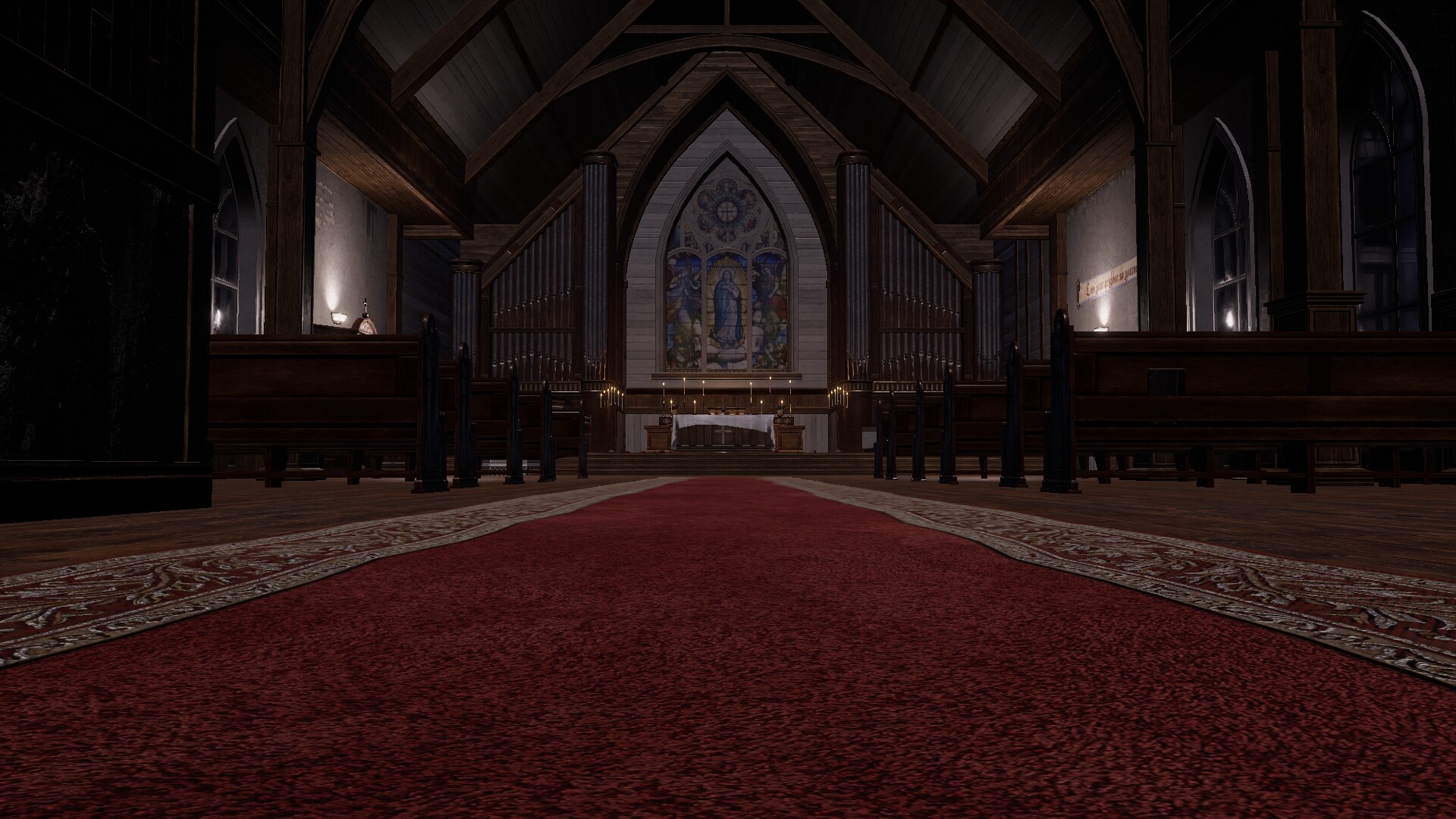
Visuals from the Steam page

Compact facts: Trace of the Villa
| Title | Trace of the Villa |
|---|---|
| Developer | Steadyturtle Co., Ltd. |
| Publisher | Steadyturtle Co., Ltd. |
| Release date | 28 May, 2026 |
| Genres | Action, Adventure, Indie |
| Steam categories | Single-player; Color Alternatives; Custom Volume Controls; Playable without Timed Input; Subtitle Options; Family Sharing |
| Steam page | Trace of the Villa on Steam |
Player scenarios: who will enjoy the rooms-as-puzzles approach
Scenario A — The investigative reader
You read every scrap of text, cross-reference manifests and love the sense that a single unlocked safe reframes everything you thought you knew. The mansion’s rooms functioning as narrative evidence will reward you.
Scenario B — The methodical systems player
You prefer object logic and chaining interactions: restore power, activate a system, retrieve a code, then trace that code to another locked device. If you enjoy mechanical puzzle trains that feel organic rather than arbitrary, this structure suits you.
Scenario C — The atmospheric explorer
You value mood and slow-burn suspense over constant action. The mansion’s “erased” occupants and missing identifiers create a space where ambience and small reveals—rather than combat or reflex—drive engagement.
How Trace of the Villa compares to nearby puzzle-adventure experiences
Below is a compact editorial comparison focusing on genre, atmosphere, puzzle focus, exploration style, story tone and pacing. These comparisons are editorial discovery, not endorsements.
| Title | Genres / Release | Atmosphere & puzzle focus | Exploration style / Pacing |
|---|---|---|---|
| Trace of the Villa | Action, Adventure, Indie — 28 May, 2026 | Mansion mystery; clue-driven with encrypted documents, safes and restored systems | Room-by-room investigation; slow-burn suspense and narrative reveals |
| The Room | Adventure, Indie — released 28 Jul, 2014 | Locked-object puzzles in a single, mysterious room; tactile mechanical puzzles | Focused, chamber-style progression: one complex object per scene; deliberate pacing |
| The Room Two | Adventure, Indie — released 5 Jul, 2016 | Similar tactile puzzle design extended across multiple interconnected spaces | Sequential, puzzle-box progression with atmospheric reveals |
| Escape Simulator | Adventure, Casual, Indie — released 19 Oct, 2021 | Highly interactive escape rooms; object manipulation and environmental puzzles | Room-based, often faster-paced and more physics/interactivity-driven; supports co-op |
| Unpacking | Casual, Indie, Simulation — released 1 Nov, 2021 | Zen, narrative revealed through objects and placement rather than locks or codes | Relaxed, nonconfrontational pacing; story emerges from domestic detail rather than encrypted files |
Trailer and YouTube discovery
For trailers and gameplay clips, search on YouTube: Search: Trace of the Villa trailer & gameplay. This link is a discovery path; individual videos should be verified as official if you require confirmed publisher content.
Final verdict: who should wishlist it
Wishlist Trace of the Villa if you want a story-rich, room-focused mystery where clue reading, object logic and document-based puzzles shape how the narrative unfolds. If you prefer immediate feedback, physics-first interactivity, or multiplayer escape-room play, consider the comparisons above to gauge fit.
Steam link
Legal & editorial disclaimer
Referenced titles and trademarks belong to their respective owners. Comparisons are lawful editorial discovery only and not endorsements.
Leave a Reply