
Trace of the Villa: puzzle-as-evidence in a slow-burn mansion mystery
Trace of the Villa drops you into a decaying, cut-off mansion where Jin pieces together clues about his missing sister by restoring systems, opening hidden compartments, and reading the fragments left behind. The game leans on environmental storytelling and puzzles that function like evidence — not just obstacles — letting you reconstruct what happened room by room.

Quick facts
| Title | Trace of the Villa |
|---|---|
| Steam App ID | 3483660 |
| Release date | 28 May, 2026 |
| Developer / Publisher | Steadyturtle Co., Ltd. |
| Genres | Action, Adventure, Indie |
| Categories / Notable features | Single-player; Color Alternatives; Custom Volume Controls; Playable without Timed Input; Subtitle Options; Family Sharing |
| Steam page | Trace of the Villa on Steam |
| Steam reviews (public summary) | No user reviews on Steam (public summary lists 0 reviews) |
Who is this for?
Trace of the Villa suits players who prefer mystery over action spectacle: those who enjoy atmospheric mystery adventure and puzzle-driven investigation rather than constant combat or timed reflex challenges. If you gravitate toward environmental storytelling, slow-burn suspense, and interpretive clue-gathering — where each solved lock or reactivated system feels like adding a tile to a forensic board — this is aimed at you.
What the game is
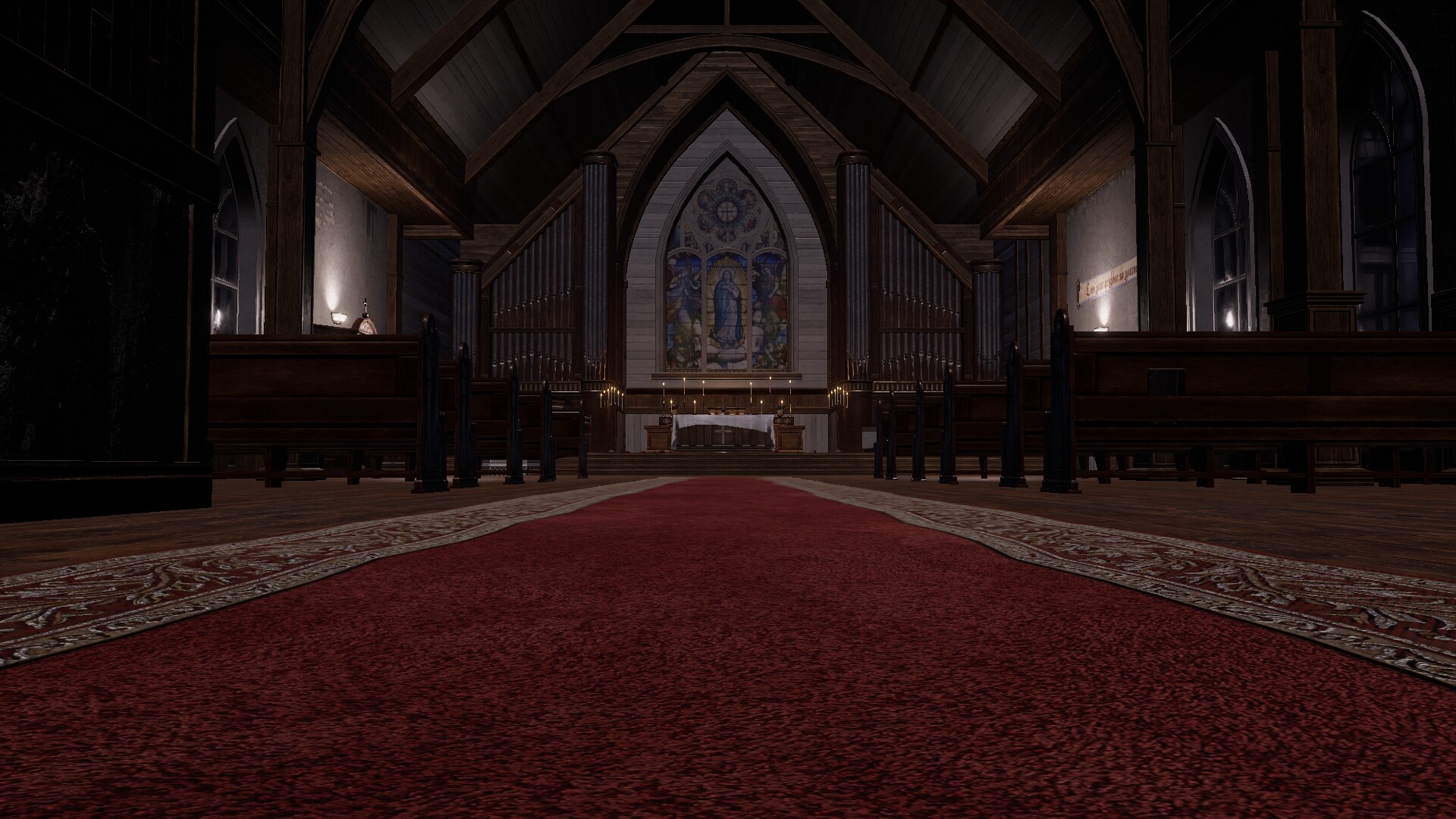
Officially described on Steam, Trace of the Villa follows Jin, who has spent years searching for his missing sister. A lead directs him to a remote, deliberately forgotten mansion with no recent records or ownership. Inside, rooms appear “erased” of identity: no photographs or names, personal items left as if occupants vanished mid-routine. As Jin restores power, secured systems return online, hidden compartments open, and safes yield fragments of encrypted documents and suspicious transfer records — each puzzle uncovers layers of a concealed operation.

When and where
Trace of the Villa released on 28 May, 2026 and is available on Steam. The store listing notes developer and publisher as Steadyturtle Co., Ltd., and the Steam product page includes standard accessibility options such as subtitle options and controls for players who prefer no timed input.
Why the theme matters: puzzles as evidence
What sets Trace of the Villa apart is its framing of puzzles as evidence. Rather than puzzles existing only to gate progression, they are the means by which Jin reconstructs a hidden timeline: a power restoration reveals CCTV or device logs; a safe opens to show falsified transfers; a compartment contains manifests. That narrative logic — puzzle → evidence → inference — turns object logic (what items are, how they interact) into a method for storytelling. The house doesn’t tell you a linear tale; it hands you fragments that require contextual reading.
How you read clues and progress
Puzzle types implied by the official description include systems-based puzzles (restoring power and interfaces), mechanical locks and safes, and interpretive sequence puzzles where documents and manifests must be assembled into a timeline. Progress comes from treating each solved puzzle as a piece of a larger argument: the fragments you uncover are the evidence you use to interpret who was here, where identities were erased, and how movements were concealed. The Steam listing also highlights features that support this style of play: single-player pacing, subtitle support, and the absence of required timed input.
Player scenarios — who should wishlist it
- Investigation-minded players: you enjoy assembling timelines from disparate clues and reading environmental detail as primary storytelling.
- Slow-burn fans: you prefer atmosphere and mounting dread over instant scares or fast-paced action sequences.
- Puzzle lovers who like object logic: if you appreciate mechanical puzzles and systems that unlock narrative fragments, the game’s design is oriented around that feedback loop.
- Accessibility-aware players: features such as subtitle options and lack of mandatory timed inputs mean the experience is approachable at a measured pace.
How it compares — short editorial comparison
Below is a restrained editorial comparison against a few well-known puzzle/adventure reference points. The aim is to help you decide if Trace of the Villa fits your tastes based on genre, atmosphere, puzzle focus, exploration style, and pacing.
| Title | Genre / Atmosphere | Puzzle focus | Exploration style | Recommended for |
|---|---|---|---|---|
| Trace of the Villa | Action / Adventure / Indie — atmospheric mansion mystery | Puzzles-as-evidence: systems, safes, hidden compartments, documents | Slow, forensic room-by-room reconstruction | Players who want narrative logic from puzzles and environmental storytelling |
| The Room | Adventure / Indie — tactile, intimate mystery | Mechanical, tactile object puzzles with layered lockboxes | Focuses on individual puzzle objects rather than large environments | Players who like hands-on mechanical puzzles and isolated puzzle set-pieces |
| Unpacking | Casual / Indie — zen, life-story through objects | Contextual object-placement puzzles that reveal character through possessions | Domestic, low-pressure exploration across scenes | Players who prefer narrative revealed by everyday items and a gentle pace |
| Escape Simulator | Adventure / Casual / Indie — interactive escape rooms | Highly interactive environmental puzzles with physics and object interactions | Room-based, often fast-moving with explicit puzzle goals | Players who enjoy experimental mechanics, co-op, and high interaction breadth |
Deciding: who should wishlist this now
Wishlist Trace of the Villa if you want a Steam indie mystery that treats puzzles as investigative acts: you read objects the way a detective reads evidence. If you prefer constant action, competitive multiplayer, or puzzle experiences centered solely on dexterity or speed, this title is likely not aimed at you. The Steam listing also shows no public user reviews in its summary at present
YouTube discovery
For trailer and gameplay discovery, use YouTube search rather than relying on unverified embeds: Find Trace of the Villa trailer and gameplay searches on YouTube.
Leave a Reply