
Trace of the Villa — an atmospheric mansion mystery about a brother following erased trails
Trace of the Villa puts you in Jin’s shoes: years of searching for a missing sister lead to a remote, decaying mansion that refuses to speak its past. The game promises clue-driven exploration, environmental storytelling, and slow‑burn suspense as the house gradually restores power and begins to reveal carefully hidden records.

Quick facts
| Title | Trace of the Villa |
|---|---|
| Steam AppID | 3483660 |
| Release date | 28 May, 2026 |
| Developer / Publisher | Steadyturtle Co., Ltd. |
| Genres | Action, Adventure, Indie |
| Steam categories | Single-player; Color Alternatives; Custom Volume Controls; Playable without Timed Input; Subtitle Options; Family Sharing |
| Steam reviews (public) | No user reviews |
Who this is for
Trace of the Villa will appeal to players who prioritize narrative curiosity and scaling emotional stakes over constant action. If you enjoy atmospheric mystery adventure with an investigative protagonist (here, Jin searching for his missing sister), subtle environmental storytelling, and puzzles that serve story discovery rather than arcade tension, this is aimed at you.
What the game is
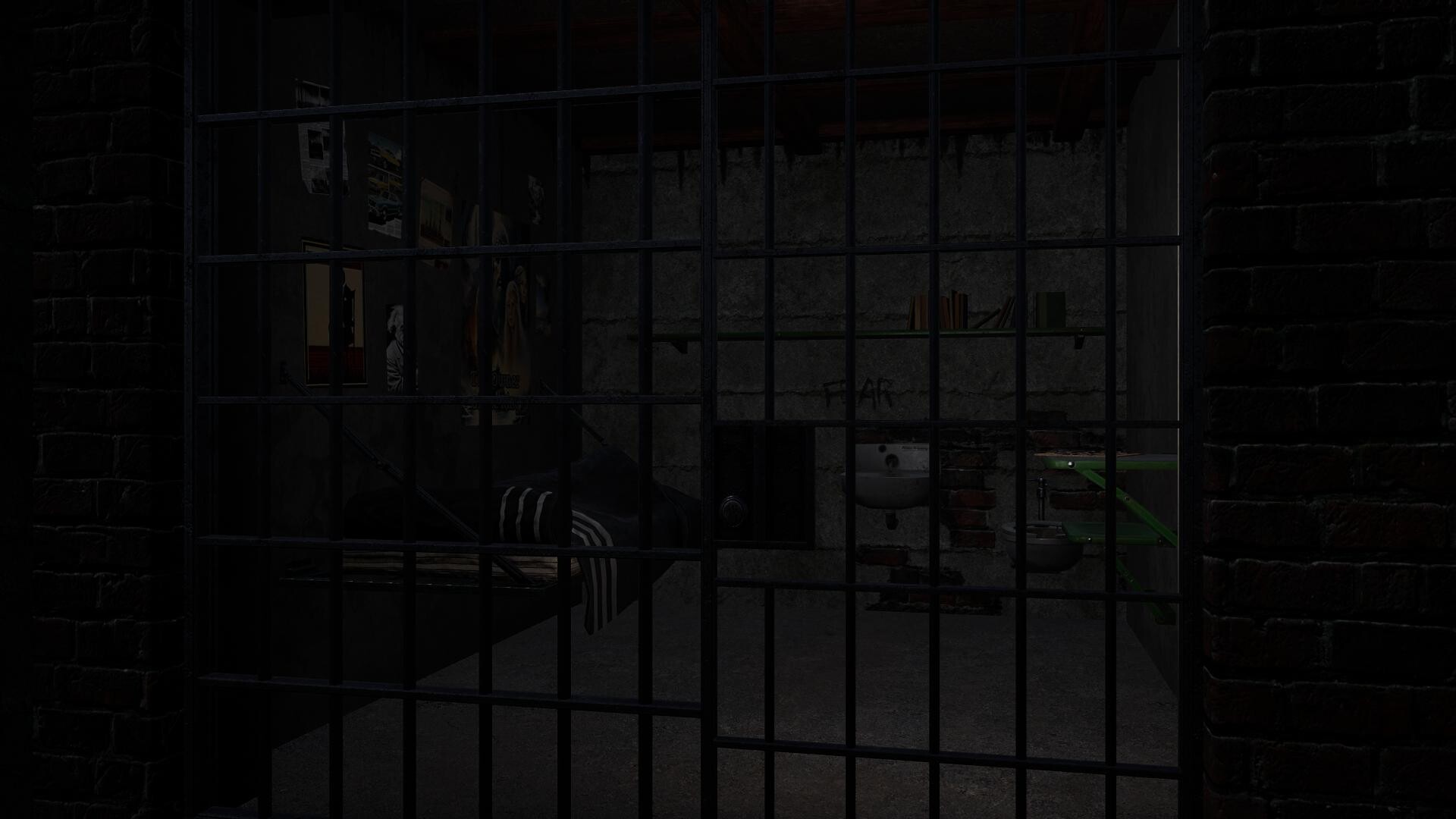
Officially described by the developer/publisher Steadyturtle Co., Ltd., the premise is straightforward and emotionally charged: Jin follows a lead to a property cut off from the grid where rooms look like their occupants vanished mid‑routine. Restoring power and piecing together manifests, encrypted fragments, and suspicious transfer records drives the narrative: what begins as an investigation becomes a personal hunt for truth.

When and where
Trace of the Villa launched on Steam on 28 May, 2026. The Steam page lists common PC accessibility options such as subtitle options, color alternatives, and custom volume controls; it’s a single‑player experience listed under Action / Adventure / Indie.
Why the theme matters
The emotional hook is explicit in the official description: Jin’s search for a missing sister transforms the investigation into something personal. The mansion’s design — furnished rooms with identities removed, falsified records, and transfers that lead nowhere — frames the mystery as an exploration of erased lives. For players drawn to psychological investigation and stories about identity, secrecy, and systems that obfuscate truth, the subject matter itself raises the stakes beyond a typical haunted‑house conceit.
How you play and piece the story together
According to the official description, progression hinges on restoring power and unlocking secured systems: hidden compartments, safes, and encrypted documents are the puzzle gates that reveal new timeline fragments. Expect environmental puzzles and investigative tasks where solving a narrative puzzle (decrypting a manifest, rerouting power, opening a locked room) produces a concrete revelation about who passed through this place and why.
What to expect mechanically
- Clue-driven exploration — items and documents operate as the primary storytelling devices.
- Puzzles that unlock systems and locations rather than reflex tests — consistent with the “Playable without Timed Input” category.
- Accessibility considerations such as subtitles and color alternatives are explicitly available on the Steam page.
Player scenarios: who will get the most out of Trace of the Villa
- The slow-burn investigator: You like taking your time with a mystery, reading every document and following threads across rooms until the pattern appears.
- The narrative-first player: You want emotionally anchoring stakes (a family search) that turn exploration into a personal mission rather than a sequence of setpieces.
- The atmosphere chaser: You enjoy games where lighting, sound, and set dressing tell half the story and slowly shift the mood as secrets are revealed.
- The puzzle-for-story crowd: You prefer puzzles that are integrated into plot beats, where solving a safe or restoring power directly advances the narrative.
How Trace of the Villa compares — editorial discovery
Below is a concise comparison to nearby story‑rich indie titles. This is meant to help you judge fit by genre, atmosphere, puzzle focus, and pacing — not to rank or claim superiority.
| Title | Genre / Core | Atmosphere | Puzzle focus | Exploration style | Tone & Pacing | Player fit |
|---|---|---|---|---|---|---|
| Trace of the Villa | Action, Adventure, Indie | Mansion mystery, erased identities | Clue-driven, systems and safes | Indoor, room-by-room investigation | Slow burn, personal stakes | Players who want psychological investigation tied to puzzles |
| Inscryption | Adventure / Strategy (card-based) | Inky, psychological horror | Puzzles embedded in meta‑card systems | Hybrid meta rooms and card-table interactions | Unsettling, layered revelations | Players who like puzzle-horror with meta twists |
| Outer Wilds | Action / Adventure | Curious, cosmic mystery | Environmental puzzles tied to discovery | Open-system solar exploration | Exploratory, contemplative pacing | Players who prefer open-ended world puzzles and wonder |
| Journey | Adventure / Indie | Meditative, minimalistic | Symbolic, traversal-based puzzles | Linear but atmospheric landscapes | Quiet, emotionally resonant | Players who value tone and musical atmosphere over explicit narrative |
| The Forgotten City | Adventure / Indie / RPG | Mystery
Steam pageView Trace of the Villa on Steam YouTube discoveryFor trailer and gameplay discovery, use YouTube search rather than relying on unverified embeds: Find Trace of the Villa trailer and gameplay searches on YouTube. CommentsMore posts |
Leave a Reply