
Trace of the Villa — a slow-burn mansion mystery that asks you to read absence as much as presence
Trace of the Villa casts you as Jin, a seeker who follows fragments and manifests into a deliberately erased estate where power, locked systems, and anonymous records begin to return the moment you pull the plug on silence. It’s a story-first mystery built around environmental storytelling, encrypted fragments, and the patient work of piecing timelines together by inference rather than explicit exposition.

| Title | Trace of the Villa |
|---|---|
| Steam AppID | 3483660 |
| Developer / Publisher | Steadyturtle Co., Ltd. |
| Release Date | 28 May, 2026 |
| Genres | Action · Adventure · Indie |
| Key Steam Categories / Features | Single-player; Color Alternatives; Custom Volume Controls; Playable without Timed Input; Subtitle Options; Family Sharing |
Who this is for
This is for players who prefer narrative-first mysteries: those who enjoy atmospheric mystery adventure on PC where the primary reward is the slow accumulation of meaning. If you like interrogating rooms, reactivating dormant systems, and reading financial manifests and encrypted fragments as story beats, Trace of the Villa is aimed at you. It also suits players who appreciate adjustable accessibility options (subtitles, color alternatives, and no required timed input) and a single-player, focused experience.
What the game is
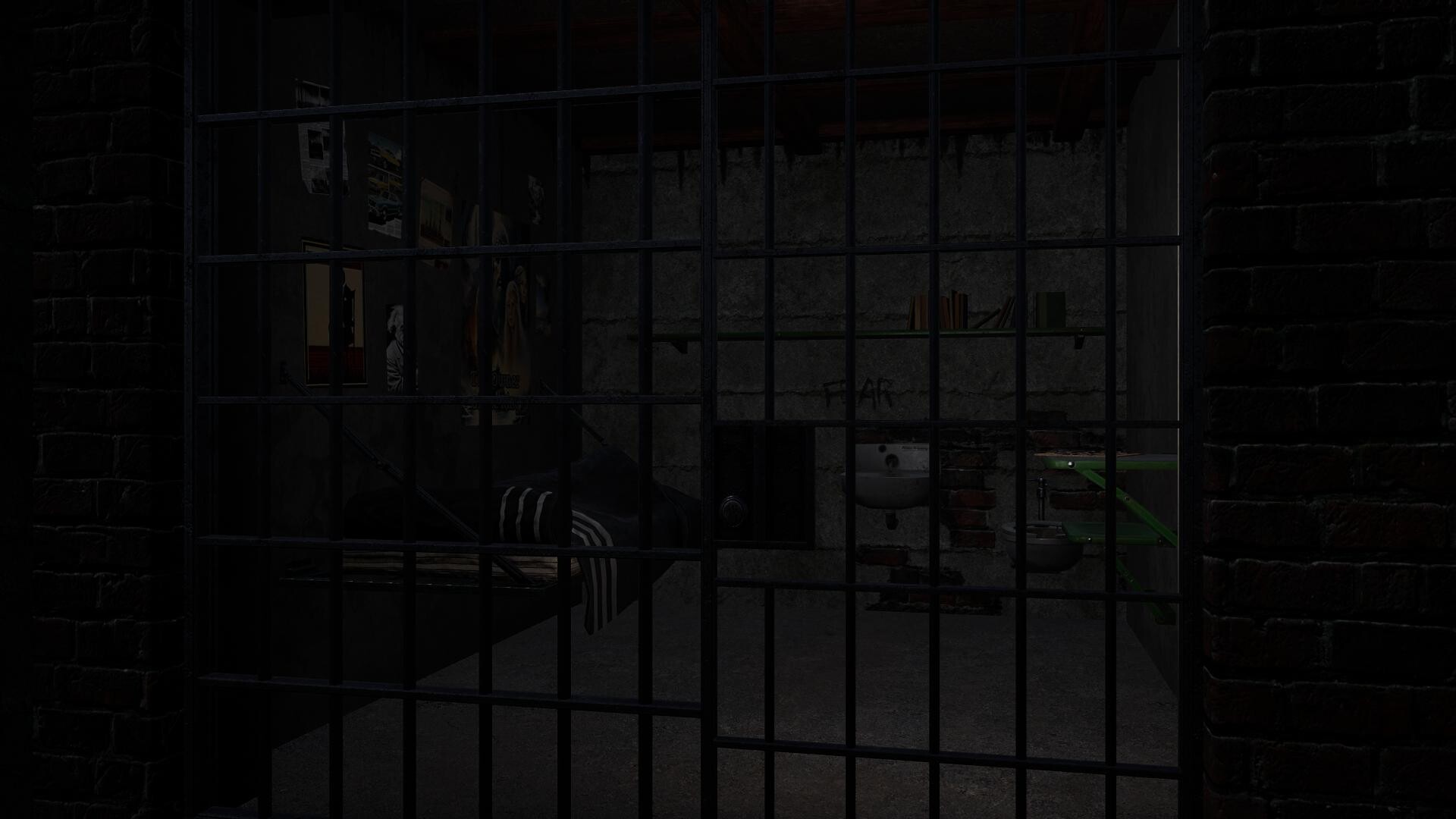
Trace of the Villa follows Jin, whose years-long search for his missing sister leads him to a remote, decaying mansion where past occupancy appears intentionally erased. The mansion contains manifests, locked systems, safes, and encrypted documents; restoring power and solving environmental puzzles gradually uncovers traces of a concealed operation and a pattern of arrivals and departures without records. The design emphasis is on clue-driven exploration and narrative puzzle design rather than overt combat or spectacle.
When and where to find it
Trace of the Villa is available on Steam; its release date is 28 May, 2026. The Steam store page (app 3483660) is the primary source for official PC availability and platform details.
Why the theme matters
The game’s central conceit — a house “less abandoned than erased” — turns absence into a storytelling tool. Instead of straightforward exposition, the narrative asks players to treat missing names, falsified identities, and financial transfers as evidence. That approach creates a psychological investigation rather than jump-scare horror: the unease comes from realizing how carefully people’s traces were removed and what that implies about the scale and intent of whatever operation used the estate.
How you read clues and progress
Progression in Trace of the Villa is iterative and forensic. Restoring power reactivates systems and opens new avenues — safes yield fragments, locked compartments become accessible, and encrypted manifests gradually resolve into patterns. The player advances by assembling timelines and connecting disparate traces (transfer records, falsified IDs, the arrangement of rooms) rather than by following a linear breadcrumb trail. That makes lateral thinking and patience more valuable than reflex or fast action.

Player scenarios — decide if this fits your taste
- You like methodical investigations: If you enjoy reading logs, piecing together redacted manifests, and deriving stakes from patterns rather than explicit cutscenes, this is a close fit.
- You prefer immediate action: If fast-paced combat or cinematic spectacle is your priority, Trace of the Villa’s patient, clue-first pacing may feel slow.
- You want a narrative puzzle focus with accessibility options: The Steam categories list features like “Playable without Timed Input” and subtitle options, making it suitable for players who want story-first mystery at a measured pace.
How it compares — quick editorial table
| Title | Focus | Atmosphere / Tone | Puzzle / Exploration Style | Pacing |
|---|---|---|---|---|
| Trace of the Villa | Narrative mystery; clue-driven investigation | Quiet, unsettling, forensic | Environmental puzzles, restoring systems, decrypting records | Slow-burn, deliberate |
| Inscryption | Card-based meta-mystery with escape-room elements | Bleak, unnerving, playful menace | Puzzle-cards, emergent meta-systems | Variable; often tense and compounding |
| Outer Wilds | Open-world cosmic mystery | Awe-driven, melancholic | Environmental exploration, discovery via iteration | Exploratory, sometimes slow but with cyclical momentum |
View Trace of the Villa on Steam
YouTube discoveryFor trailer and gameplay discovery, use YouTube search rather than relying on unverified embeds: Find Trace of the Villa trailer and gameplay searches on YouTube. Reader decision checklistUse this checklist before deciding whether Trace of the Villa belongs on your Steam wishlist. The game is most relevant if you enjoy reading environmental evidence, following document trails, inspecting rooms for small inconsistencies, and letting a mystery unfold through objects rather than exposition. It is less about instant spectacle and more about the slow pressure of a place that seems to have been deliberately erased. SEO note for discovery-minded playersPlayers searching for atmospheric mystery adventure, clue-driven exploration, mansion mystery game, story-rich indie adventure, psychological investigation game, or narrative puzzle design are likely looking for the same core appeal: a PC game where the setting is not just a backdrop but the main source of evidence. Trace of the Villa fits that search intent because its official Steam premise centers on Jin, his missing sister, a remote mansion, restored systems, hidden compartments, safes, encrypted documents, and a trail of suspicious records. Final player-fit summaryWishlist Trace of the Villa if you want a slow investigation built around official Steam store elements: a 28 May, 2026 release from Steadyturtle Co., Ltd., a single-player PC/Steam mystery structure, official screenshots showing the mansion atmosphere, and a premise that uses the house itself as a puzzle box. The strongest fit is for players who prefer patience, observation, and narrative reconstruction over fast combat or loud horror beats. CommentsMore posts |
Leave a Reply