
Trace of the Villa — an inspection-heavy, clue-driven mansion mystery
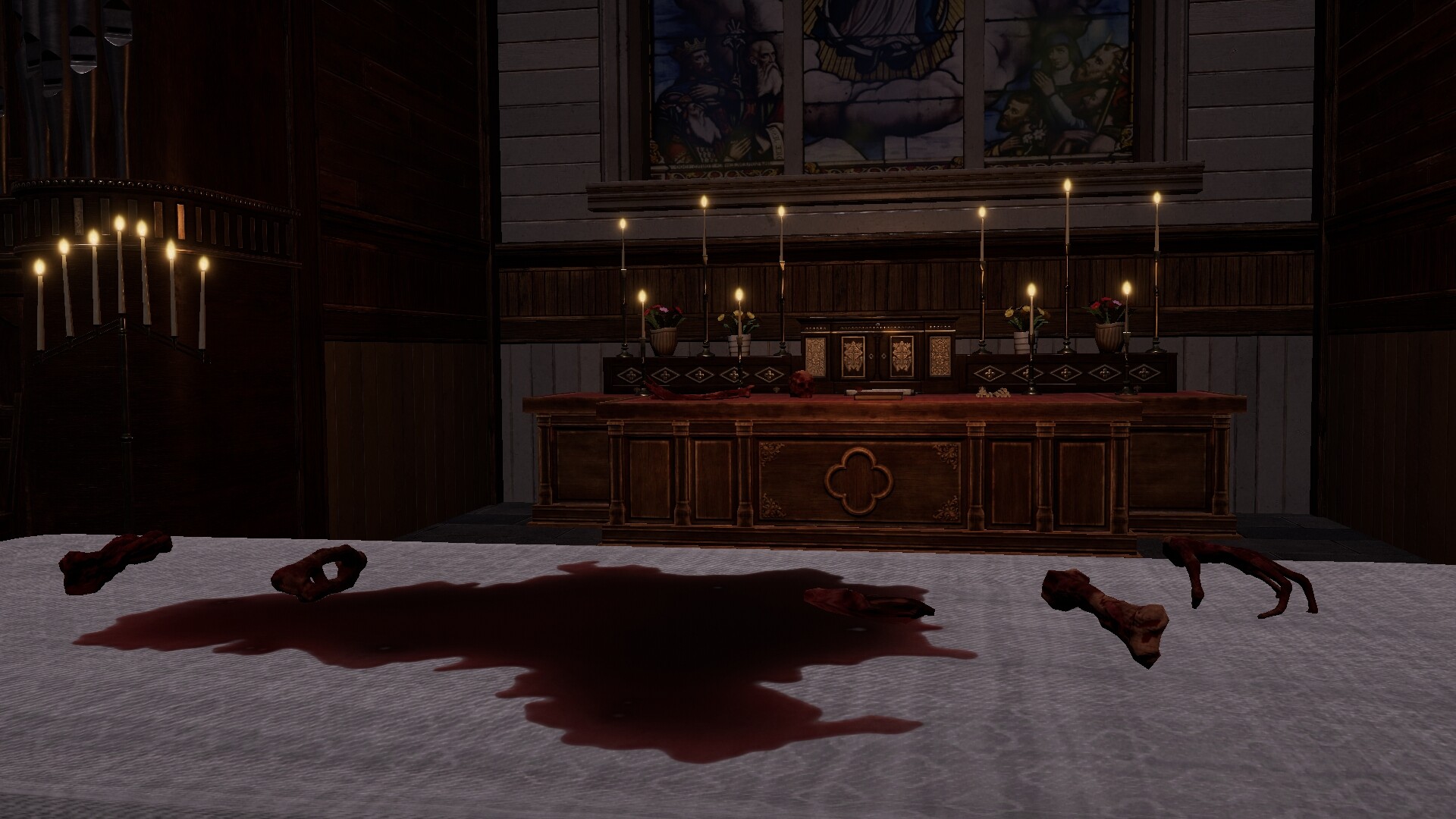
Trace of the Villa positions itself as a slow-burning, atmospheric mystery adventure where careful inspection and object logic unlock a layered narrative. Developed and published by Steadyturtle Co., Ltd., it frames Jin’s search for his missing sister inside a deliberately erased, decaying mansion full of sealed systems and concealed records.

Quick facts
| Title | Trace of the Villa |
|---|---|
| Steam appid | 3483660 |
| Release date | 28 May, 2026 |
| Developer / Publisher | Steadyturtle Co., Ltd. |
| Genres | Action, Adventure, Indie |
| Categories | Single-player; Color Alternatives; Custom Volume Controls; Playable without Timed Input; Subtitle Options; Family Sharing |
Who this is for
If you prefer methodical, inspection-heavy play over fast reflex challenges, Trace of the Villa is aimed at you. The Steam description and in-store materials emphasize piecing together manifests, encrypted fragments, and system logs — mechanics that reward careful environmental reading, repeated examination of objects, and chaining small discoveries into larger conclusions. Players who enjoy narrative puzzle design and psychological investigation in a mansion setting should add this to their watchlist.
What the game is
Trace of the Villa casts you as Jin, an investigator following sparse leads to a remote, cut-off mansion. The house is presented as “less abandoned than erased”: rooms staged mid-routine, locked doors hiding secured secrets, and personal effects with identifying traces removed. When Jin restores power, systems come back online, compartments open and safes yield pieces of encrypted documents and suspicious transfer records — a structure that centers the game on environmental storytelling and sequential clue discovery rather than combat-heavy set pieces.

When and where
Trace of the Villa is available on Steam with a release date listed as 28 May, 2026. It’s published and developed by Steadyturtle Co., Ltd. The store page lists PC-focused categories like Single-player and accessibility options such as Subtitle Options and Custom Volume Controls if you need them.
Why the theme matters
The central conceit — a house that looks erased rather than empty — matters because it turns environmental detail into primary narrative evidence. Rather than relying on cutscenes to explain the backstory, the game, per the official description, uses recovered manifests, encrypted fragments, and financial records to suggest a broader operation. That design choice favors players who enjoy reconstructing civic or institutional mysteries from small, physical evidence and pattern recognition across rooms and logs.
How progression, object logic, and clue chains work
- Restoration as a mechanical trigger: the Steam description specifically notes that restoring power brings systems back online and allows new interactions — a natural device to gate progress while rewarding curiosity.
- Small items lead to larger puzzles: safes and hidden compartments yield “fragments of encrypted documents and suspicious transfer records,” which implies a puzzle chain model where one recovered object becomes the key to another clue.
- Environmental reading over explicit labels: the mansion’s staged rooms and missing personal identifiers push players to infer identities and timelines from context rather than find plainly labeled notes.
If you enjoy layered clue-chains that require toggling between micro-level object inspection and macro-level pattern assembly, this is consistent with the game’s stated structure.
Player scenarios — who will get the most from Trace of the Villa
- The methodical investigator: You like scanning rooms repeatedly, cataloguing small inconsistencies and returning later when new systems unlock additional interactions.
- The narrative puzzle fan: You prefer story revealed through documents, financial records, and environmental traces, where each discovery reframes earlier assumptions.
- The slow-burn mystery player: You enjoy deliberate pacing — procedural reveals and incremental escalation rather than a parade of shocks.
How it compares to similar puzzle-led titles
| Title | Puzzle focus / atmosphere | Player fit |
|---|---|---|
| The Room (series) | Mechanical, tactile object puzzles with a claustrophobic, single-chamber focus (mystery top-down). The Room games concentrate on intricate physical puzzles and surreal artifacts. | Players who enjoy fine-grained manipulation of puzzle boxes and isolated set-piece puzzles will appreciate The Room; Trace of the Villa aims for broader environmental chains across many rooms. |
| Escape Simulator | Highly interactive escape-room environments with physics and object experimentation, often community-created rooms and faster puzzle loops. | If you want sandbox-style interaction and quick puzzle turnover (or co-op play), Escape Simulator fits; Trace of the Villa emphasizes a focused, narrative-driven single-player investigation and sequential revelations. |
| The Room Two | Expanded scope over the original with multiple locales and narrative connective tissue; still centered on puzzle objects and atmosphere. | Players who liked The Room but want a wider narrative scope may find Trace of the Villa’s mansion-scale clue chains and document-driven timeline more appealing. |
Steam and discovery
Trace of the Villa’s Steam store page lists categories and accessibility options that make it clear this is a single-player, inspection-first experience. If that aligns with your playstyle, use the link below to visit the store page and wishlist:
View Trace of the Villa on Steam
Trailer & video discovery
For trailers and gameplay clips, search YouTube using this discovery URL (useful for finding trailers or player-run footage): YouTube search: Trace of the Villa trailer gameplay. This is a discovery pointer, not a claim of an official channel or specific video.
Disclaimer: Referenced titles and trademarks belong to their respective owners. Comparisons here are editorial discovery only and not an endorsement or official affiliation.
Leave a Reply