
Trace of the Villa and the Case for Quiet, Persistent Tension
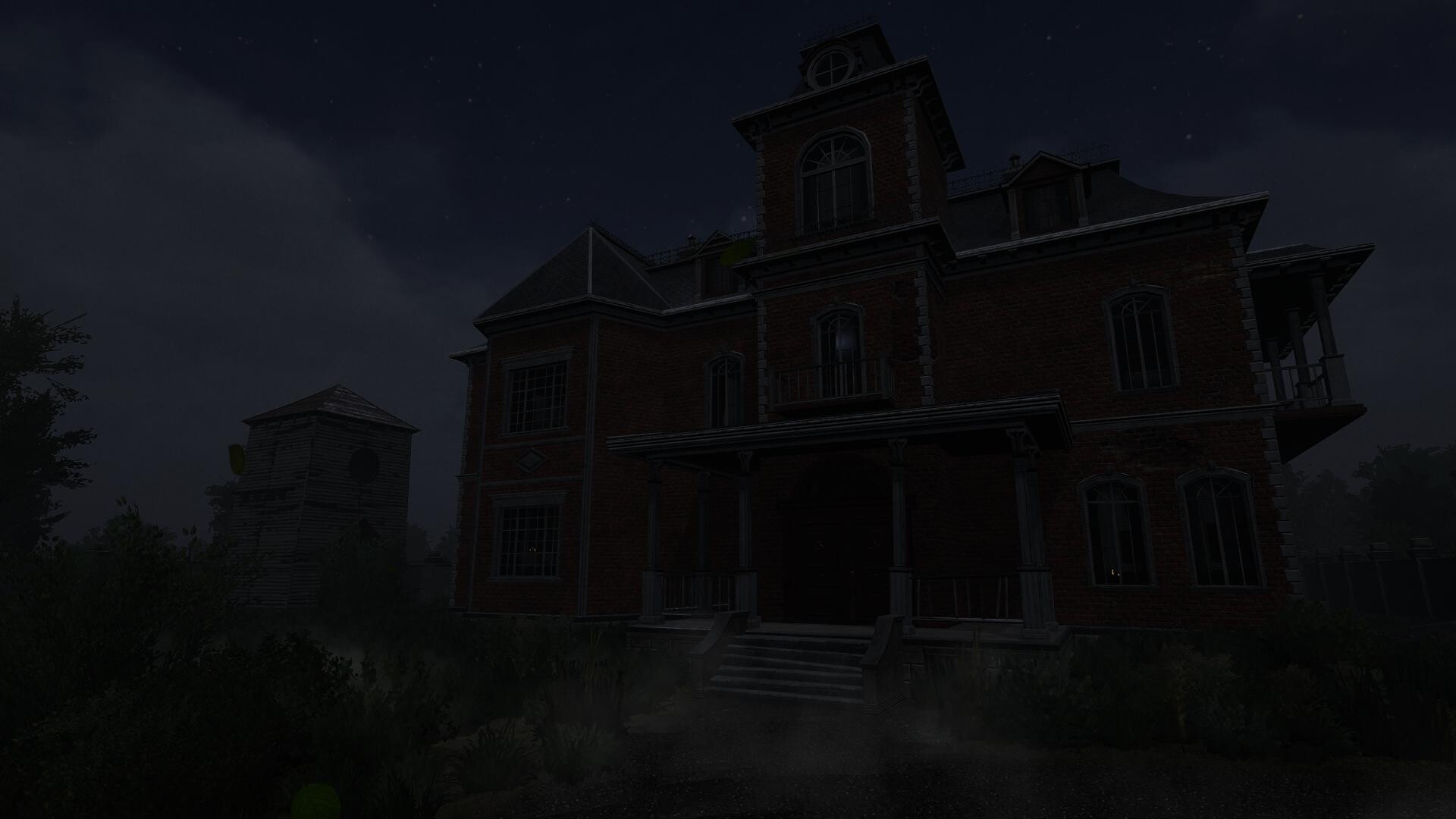
Trace of the Villa trades jump scares for a creeping, claustrophobic unsettlement: a decaying mansion that feels “less abandoned than erased,” where rooms preserve routines but not identities. The game’s slow-burn investigation—centering on Jin’s search for his missing sister—shows why uncertainty and the absence of answers are more effective at sustaining psychological horror than flashy shocks.

Quick facts
| Title | Trace of the Villa |
|---|---|
| Steam appid | 3483660 |
| Developer / Publisher | Steadyturtle Co., Ltd. |
| Release date | 28 May, 2026 |
| Genres | Action, Adventure, Indie |
| Categories | Single-player; Color Alternatives; Custom Volume Controls; Playable without Timed Input; Subtitle Options; Family Sharing |
| Short premise | Jin has spent years searching for his missing sister, pursuing leads that took him to a remote, decaying mansion where he recovered manifests and hints that indicate his sister may still be alive, somewhere at the end of the trail he is about to follow. |
Who should wishlist Trace of the Villa?
- Players who prefer slow-burn suspense and atmospheric mystery adventure over loud, reactive jump scares.
- Fans of clue-driven exploration and narrative puzzle design who like piecing timelines together from environmental storytelling.
- Those who value accessibility options such as subtitle support, custom volume controls, and gameplay modes that avoid timed input.
What the game is
Trace of the Villa is an atmospheric, story-rich adventure about a personal investigation in a deliberately forgotten estate. The official description frames the experience around exploration and discovery: Jin restores systems, unlocks hidden compartments, and uncovers falsified identities, suspicious transfer records, and encrypted documents — puzzles that reveal a broader, institutional mystery rather than a single visible monster.
When and where
Trace of the Villa released on 28 May, 2026 and is available on Steam (PC). The Steam page lists developer and publisher as Steadyturtle Co., Ltd., and places the game in the Action / Adventure / Indie categories with standard single-player and accessibility categories indicated on the store listing.
Why quiet tension and identity erasure matter
The premise centers on a house that seems to have had identities removed: “no photographs, no names, no history — as if identities themselves were removed.” That absence is the narrative engine. In psychological horror, not knowing what a place used to mean or why people vanished breeds sustained unease. Your imagination fills the blanks with possibilities that twitch at the edge of comprehension; each unlocked record and restored system tightens the knot rather than letting it snap into a single reveal.
How you play and progress
Progression is puzzle and evidence-driven: restore power, access secured systems, open safes and compartments, and assemble a timeline from manifests and encrypted fragments. The experience promises environmental storytelling and investigative interplay—players read the mansion’s preserved routines and missing documentation to infer what happened. The Steam listing emphasizes exploration and piecing together a “carefully concealed operation” behind arrivals without records and departures without witnesses.

Player scenarios — who will get the most out of it
- Slow-burn explorers: If you savor long corridors, muted audio cues, and information uncovered through investigation, this will fit your pace.
- Puzzle-focused investigators: Players who enjoy unlocking systems, decrypting fragments, and connecting bureaucratic traces to a human story will find the core loop rewarding.
- Accessibility-minded players: The Steam categories list subtitle options, custom volume controls, and “playable without timed input”—useful for those who prefer non-reactive puzzles and readable storytelling.
- Players who dislike cheap shocks: If jump-scare-driven experiences frustrate you, Trace of the Villa’s emphasis on erasure and silence will likely be more satisfying.
How it sits next to nearby PC mystery/puzzle games
| Title | Release | Atmosphere & Pacing | Exploration / Puzzle Focus | Narrative Tone |
|---|---|---|---|---|
| Trace of the Villa | 28 May, 2026 | Slow, claustrophobic mansion mystery; emphasis on absence and erasure | Clue-driven: restore systems, decrypt documents, open sealed spaces | Investigative, institutional mystery centered on missing identities |
| Amnesia: The Dark Descent | 8 Sep, 2010 | Immersive and visceral first-person dread; sustained nightmare pacing | Exploration with survival elements and environmental puzzle moments | Personal survival and psychological unraveling |
| SOMA | 21 Sep, 2015 | Brooding sci-fi dread with slow-building existential tension | Exploration and narrative puzzles blended with atmosphere | Philosophical, identity-questioning horror |
| Layers of Fear (2016) | 15 Feb, 2016 | Atmospheric, shifting Victorian mansion with disorienting pacing | Environmental puzzles that serve a storytelling descent | Madness and obsession rendered through a mutable environment |
| Poppy Playtime | 12 Oct, 2021 | Faster-paced horror-puzzle with heightened reactive moments | Tool-based puzzle mechanics and set-piece encounters | Cartoonish menace in an abandoned factory setting |
The comparison above is editorial discovery: it highlights differences in pacing, investigation style, and narrative tone so you can judge whether Trace of the Villa’s approach—slow, forensic, centered on erased identities—fits your preferences.
Where to find more (trailer / gameplay search)
Search for trailers and gameplay on YouTube: Trace of the Villa trailer & gameplay search. This is a discovery path; confirm any video you watch against the Steam page if you need official assets.
View Trace of the Villa on Steam
Referenced titles and trademarks belong to their respective owners. Comparisons in this article are editorial discovery only and not endorsements.
Leave a Reply