
Trace of the Villa — an atmospheric, clue-driven mansion mystery for PC
Trace of the Villa puts a quiet investigative pressure on the player: restore a cut-off estate, bring systems back online, and follow a chain of manifests, safes and encrypted documents that may point to Jin’s missing sister. Released on 28 May, 2026 by Steadyturtle Co., Ltd., it presents a slow-burn, environmental puzzle experience built around locked-room thinking and document-led deduction.

Quick facts
| Title | Trace of the Villa |
|---|---|
| Steam appid | 3483660 |
| Release date | 28 May, 2026 |
| Developer | Steadyturtle Co., Ltd. |
| Publisher | Steadyturtle Co., Ltd. |
| Genres | Action, Adventure, Indie |
| Categories | Single-player; Color Alternatives; Custom Volume Controls; Playable without Timed Input; Subtitle Options; Family Sharing |
| Official short description | Jin has spent years searching for his missing sister, pursuing leads that took him to a remote, decaying mansion where he recovered manifests and hints that indicate his sister may still be alive, somewhere at the end of the trail he is about to follow. |
| Current user reviews (Steam) | No user reviews |
Who is this for?
- Players who prefer environmental storytelling and slow-burn suspense over twitch reflex challenges.
- Fans of locked-room puzzles and clue chains: those who enjoy restoring systems or power to progress, then reading the environment for the next hint.
- Anyone who wants an investigation-led adventure with an explicitly personal protagonist: Jin, searching for his missing sister.
- PC players who value accessibility options like color alternatives, custom volume controls and subtitle support.
What the game is
Trace of the Villa centers on exploring a remote, deliberately forgotten mansion with signs of past occupancy but no overt records. According to the official description, rooms appear as if occupants vanished mid-routine; identities and photographs are conspicuously absent. The game’s progression hinges on bringing estate systems back to life — restoring power causes secured systems, hidden compartments and safes to begin revealing fragments: encrypted documents, suspicious transfer records and manifests that form a narrative trail. The pieces suggest the property served an organised operation, with arrivals and departures obscured and identities falsified; the player reconstructs the timeline through environmental reading and recovered artifacts.
When & where (Steam / PC)
Trace of the Villa released on Steam on 28 May, 2026. The game is available on its Steam store page: Trace of the Villa on Steam.
Why the theme matters (locked-room thinking & evidence chains)
The mansion setting and erased-identities premise make the act of reading the environment the primary narrative engine. Restoring power is not just a gameplay toggle — it’s the gateway to new information: secured systems coming back online, safes opening to yield documents, and manifests that force players to connect financial trails and falsified records. For players who like to reason from constraint — what could be hidden behind a locked door, what a single bank transfer implies when names are redacted — this design places deduction at the heart of pacing and tension.
How you progress: mechanics implied by the official description
- Environmental investigation: search furnished rooms for items and inconsistencies; identities and photos are notably absent, making inference necessary.
- Power/systems restoration: reactivating estate infrastructure causes hidden compartments, safes and secured systems to become accessible.
- Document and data puzzles: safes and systems yield fragments — encrypted documents, manifests, and transfer records — which must be read and chained together to reconstruct movement and motive.
- Timeline assembly: each uncovered fragment reveals another layer; solving puzzles is often about linking evidence rather than brute-force item use.
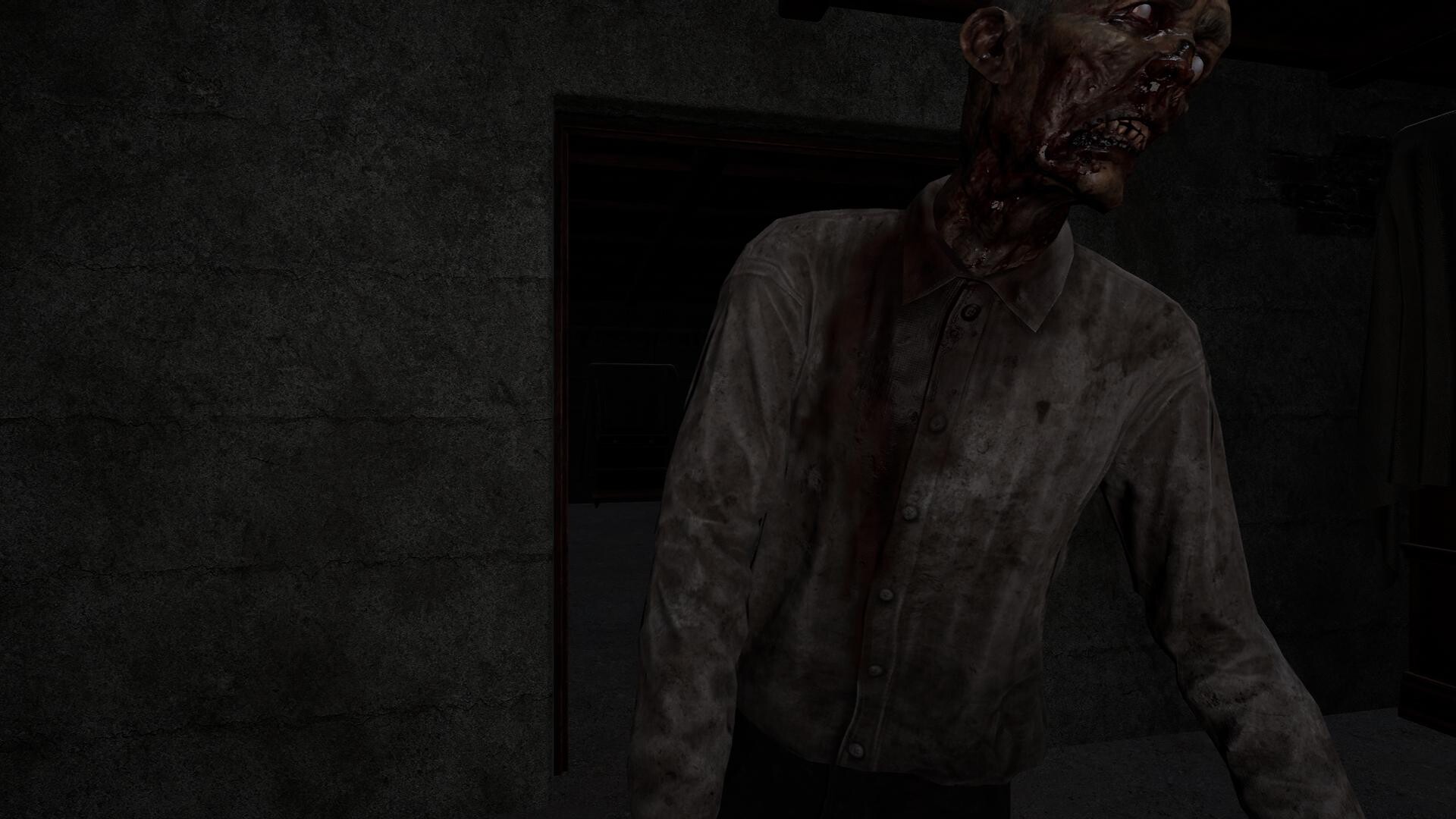
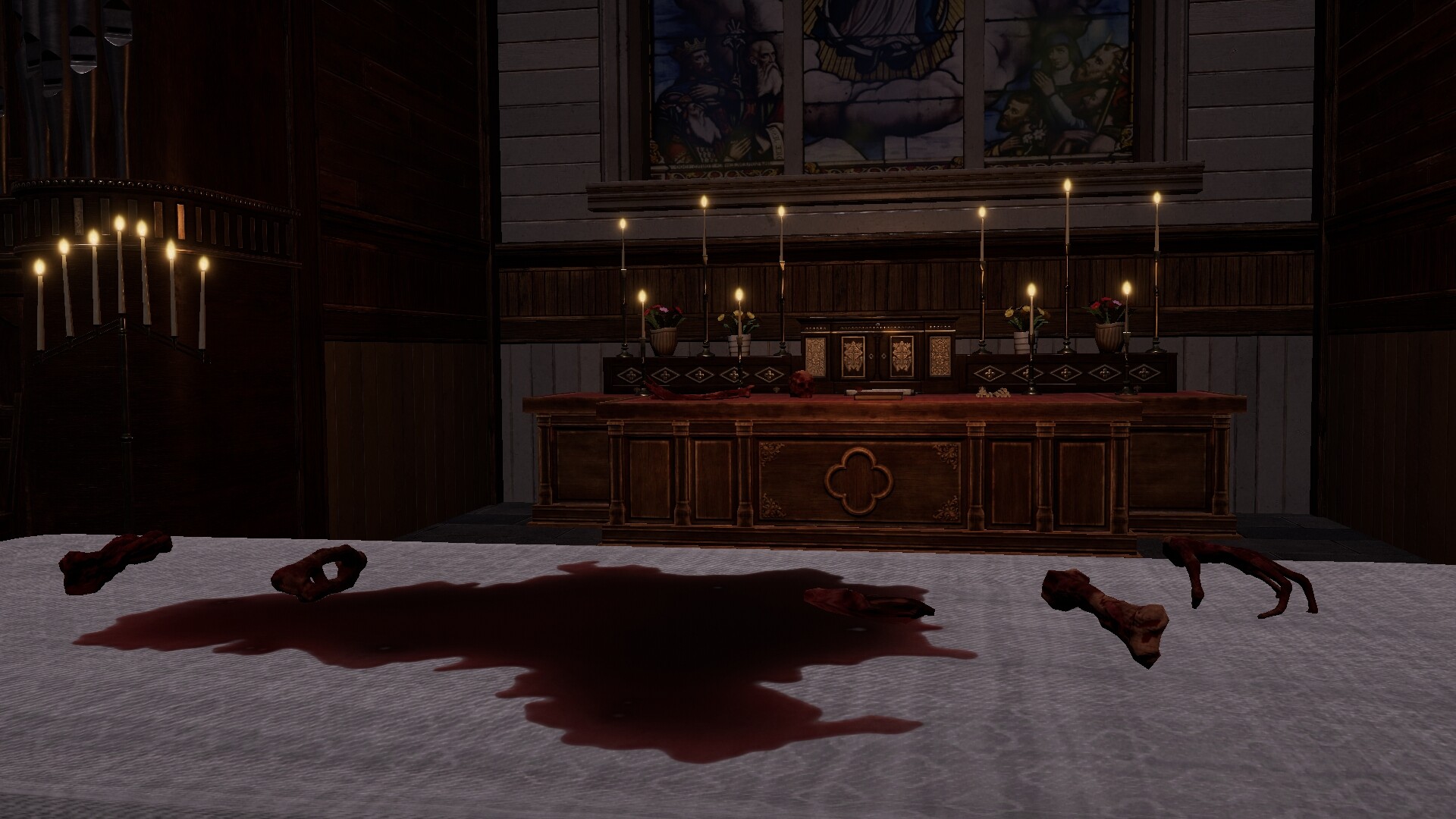
Official screenshots
Player scenarios — who should wishlist this
- You enjoy narrative puzzles structured as a chain of clues: wishlist if you like solving by inference, connecting manifests and partial documents rather than relying on inventory-combination minutiae.
- You want atmosphere and slow tension: wishlist if you prefer pacing that builds as systems come back online and each discovery reframes what you’ve already seen.
- You favour investigative, single-player experiences with accessibility options: wishlist if subtitle support, custom volume and non-timed input are important.
- You don’t want a high-action, combat-focused title: while the game is listed as Action/Adventure/Indie, the official premise emphasizes exploration, systems, safes and documents as the core mechanics.
How it compares — quick editorial table
| Title | Core genre / tone | Puzzle focus | Exploration style | Pacing / player fit |
|---|---|---|---|---|
| Trace of the Villa | Action / Adventure / Indie — mansion mystery, investigative | Document chains, locked safes, system restoration | Indoor, estate-scale, environment-led | Slow-burn, clue-driven; for players who like environmental deduction |
| The Room | Adventure / Indie — intimate mysterious objects | Mechanical puzzle boxes and safes | Single-room, tightly-focused | Focused, tactile puzzle solving for players who like object examination |
| The Room Two | Adventure / Indie — expanded cryptic locales | Puzzle boxes integrated into atmospheric locales | Series of connected, puzzle-centric rooms | Slow, methodical puzzle experience with an emphasis on craftsmanship |
| Escape Simulator | Adventure / Simulation / Indie — escape-room mechanics | Highly interactive object puzzles; physics and inventory manipulation | Multiple custom rooms, community-made content | Varied pacing; great if you want highly manipulable environments and co-op options |
| Hi‑Fi RUSH | Action — rhythm-based action | Not puzzle-focused; rhythm and action systems | Linear, combat-driven levels |
Leave a Reply