
Trace of the Villa — who should pick up this atmospheric mystery adventure
Trace of the Villa drops you into a decaying mansion as Jin, a protagonist following scraps of manifests and encrypted documents that may point to his missing sister. Released on 28 May, 2026 and developed/published by Steadyturtle Co., Ltd., the game bills itself as a clue-driven, investigation-forward exploration of a property where identities and records have been deliberately erased.

Quick facts
| Title | Trace of the Villa |
|---|---|
| Steam App ID | 3483660 |
| Release date | 28 May, 2026 |
| Developer / Publisher | Steadyturtle Co., Ltd. |
| Genres | Action, Adventure, Indie |
| Categories | Single-player; Color Alternatives; Custom Volume Controls; Playable without Timed Input; Subtitle Options; Family Sharing |
| Steam page | View Trace of the Villa on Steam |
Who should consider Trace of the Villa?
Players who enjoy slow-burn, document-driven investigations and environmental storytelling will find the premise tailored to them. If you appreciate exploring furnished rooms that feel “frozen” in time, piecing together timelines from manifests, encrypted documents, and suspicious transfer records, this title is clearly aimed at that investigative adventure niche.
What the game actually is
The official description frames Trace of the Villa as a narrative investigation: Jin enters a remote, deliberately forgotten mansion and recovers manifests and hints that suggest his sister may still be alive. The house is presented as less abandoned than erased — furnished rooms, locked doors, hidden compartments, safes and secured systems that reveal fragments of evidence once power is restored. The game combines clue-driven exploration with puzzle and discovery beats rather than open combat or high-action spectacle.
When and where to play
Trace of the Villa released on Steam on 28 May, 2026. It is presented for PC/Steam discovery, and the Steam product page lists it under Action, Adventure, Indie with single-player and accessibility options such as subtitles and custom volume controls.
Why this theme matters — the investigative angle
The title emphasizes reconstruction of identity and timeline through documents and secured systems: manifests, encrypted files, transfer records and falsified identities. That focus makes it a psychological investigation rather than a jump-scare horror; the tension comes from uncovering layers of a concealed operation and deciding how fragments fit together. For players who prefer piecing a case together from physical clues and recovered logs, that emphasis on documents and rooms defines the experience.
How you progress — reading clues and solving mysteries
According to the official description, progression hinges on restoring power, accessing secured systems, unlocking hidden compartments and safes, and assembling a timeline from recovered documents and manifests. The game presents locked doors and encoded fragments as the primary obstacles: investigate rooms, gather physical evidence, restore systems to reveal encrypted materials, and follow financial and identity traces to reach the next lead.
In-game screenshots
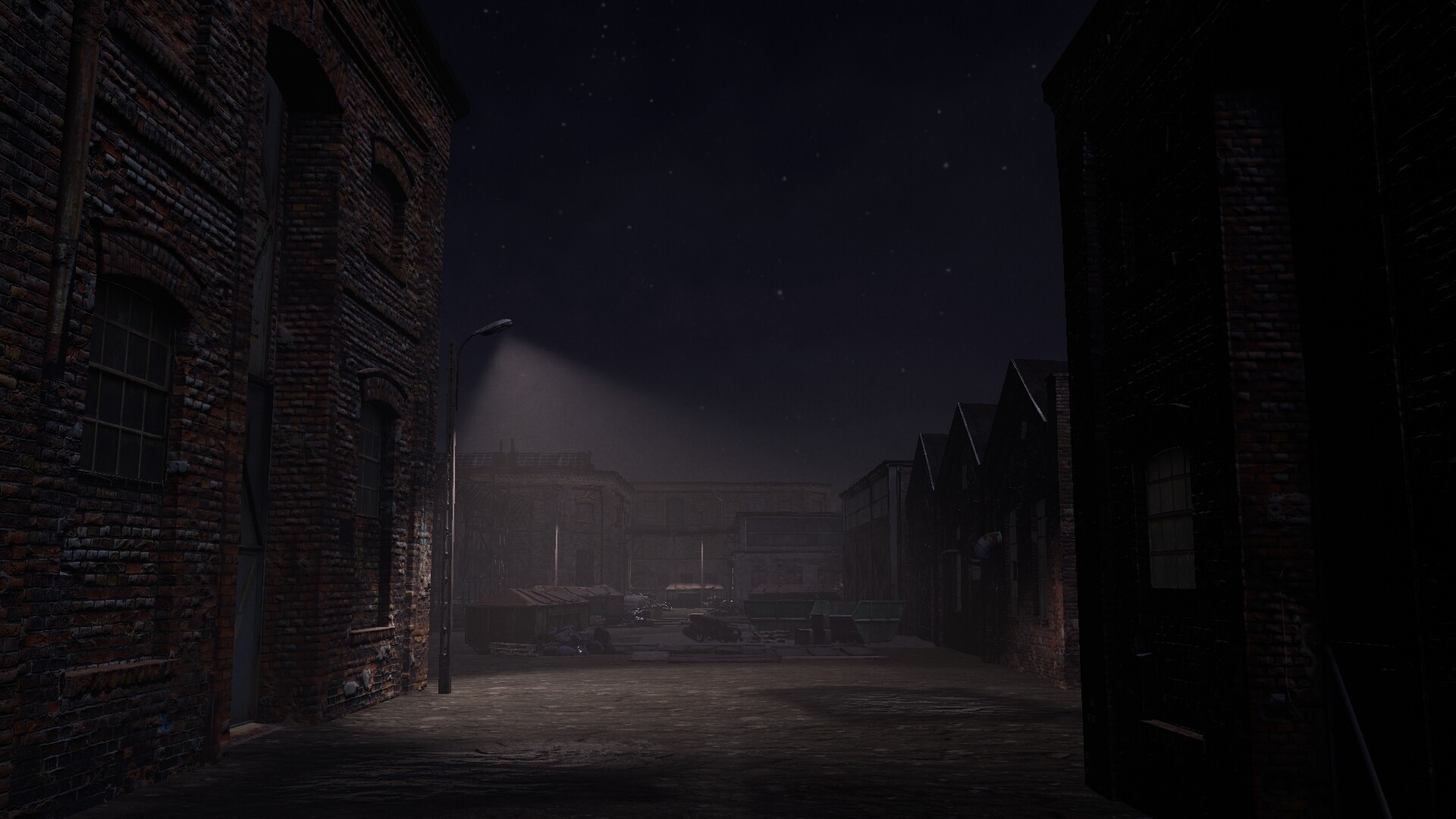
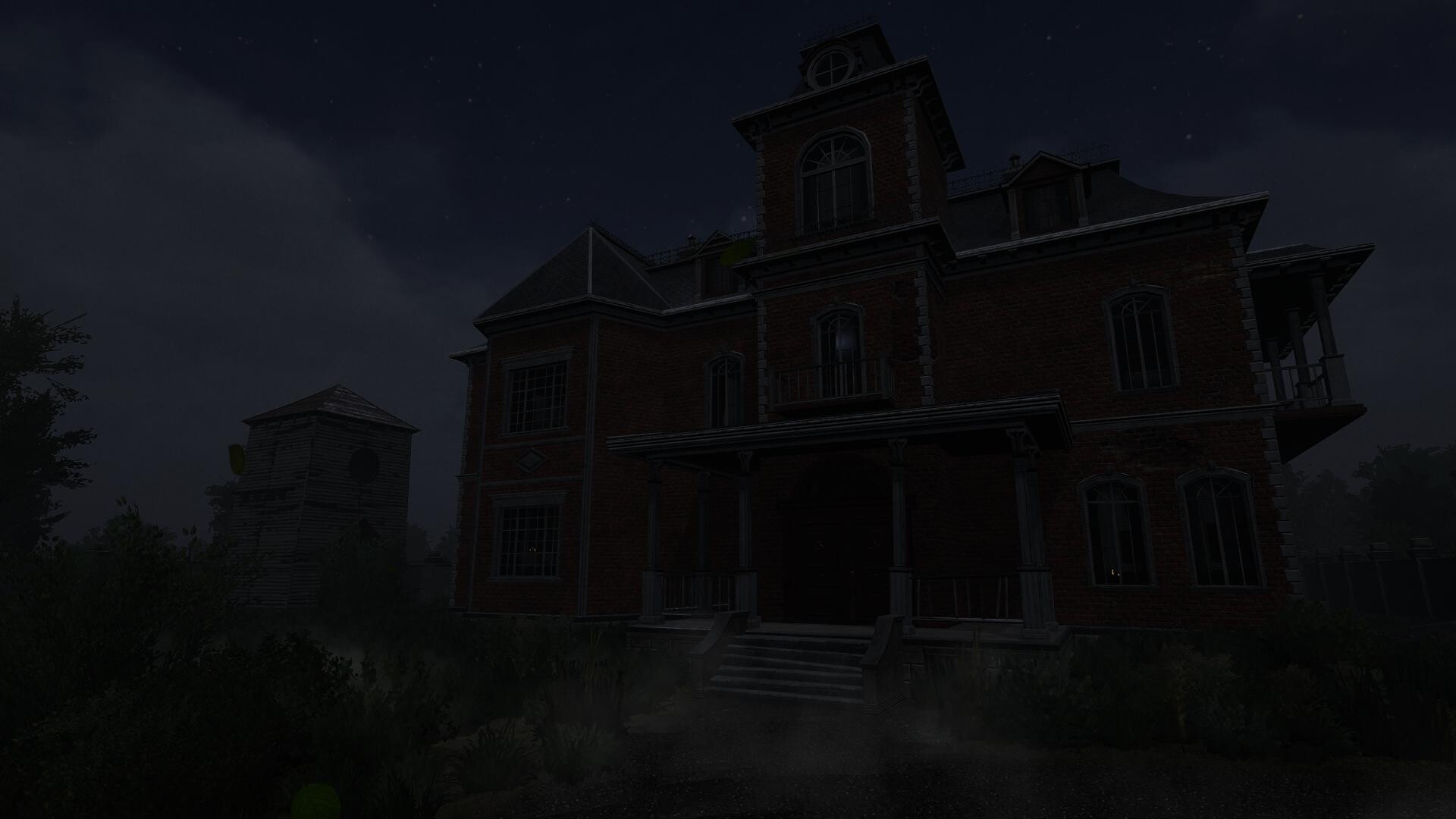
Who it compares to — editorial comparison table
The table below compares Trace of the Villa to a handful of established atmospheric and investigation-led PC games, focusing on genre, atmosphere, puzzle emphasis and likely player fit. This is editorial discovery — not a statement about quality or endorsement.
| Game | Year | Genre / Core focus | Atmosphere & Pacing | Puzzle / Exploration emphasis | Player fit |
|---|---|---|---|---|---|
| Trace of the Villa | 2026 | Action, Adventure, Indie | Mansion mystery, slow-burn investigative tension | Document recovery, locked compartments, restored systems | Players who want clue-driven narrative investigation |
| Amnesia: The Dark Descent | 2010 | Action, Adventure, Indie | Immersive, survival-horror — tense and visceral | Exploration with survival/avoidance mechanics | Players seeking horror immersion and dread |
| SOMA | 2015 | Action, Adventure, Indie | Sci‑fi psychological tone, philosophical pacing | Exploration and narrative puzzles in a confined environment | Players who like story-driven, existential sci‑fi |
| Layers of Fear (2016) | 2016 | Adventure, Indie | Psychological horror, shifting environments, atmospheric | Environmental puzzles and narrative-driven encounters | Players who prefer unsettling, painterly psychological stories |
| The Room | 2014 | Adventure, Indie | Focused, mysterious, intimate pacing | Mechanical, tactile puzzle boxes and safe-cracking | Players who like tightly designed object puzzles |
| Rusty Lake Hotel | 2016 | Adventure, Indie | Dark, surreal, vignette-based atmosphere | Point-and-click puzzles in short, contained chapters | Players who enjoy episodic, eerie puzzle adventures |
Concrete player scenarios — should you wishlist it?
- If you value document-led investigation: Wishlist it. The official description emphasizes manifests, encrypted documents, and financial traces as core to the mystery.
- If you prefer object- and box-focused puzzling (The Room): Consider if you like those moments embedded in a broader property-scale investigation, rather than isolated mechanical puzzles.
- If you want survival-horror scares and evasion (Amnesia/SOMA): This reads more like psychological investigative exploration than a pure survival-horror outing.
- If you like short, vignette-driven puzzles (Rusty Lake): Trace of the Villa is pitched as a single, location-scale mystery with a persistent protagonist and investigative throughline.
- If accessibility matters: The Steam page lists subtitle options, custom volume controls, color alternatives, and “playable without timed input,” which helps players who need those features.
YouTube discovery
If you want to see trailers or gameplay videos before deciding, search YouTube for Trace of the Villa trailers and gameplay: YouTube search: Trace of the Villa trailer & gameplay
Leave a Reply