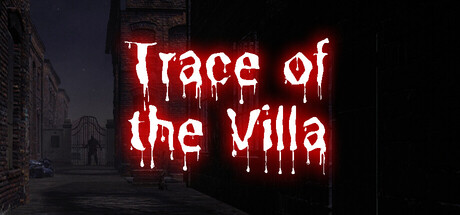
Trace of the Villa — an atmospheric mystery adventure about a lost sister and a house that refuses to stay forgotten
Jin has spent years searching for his missing sister. Trace of the Villa drops you into a remote, decaying mansion where manifests and hidden systems hint that she may still be alive — and every recovered fragment pushes the case from procedural to personal.

Quick facts
| Title | Trace of the Villa |
|---|---|
| Steam appid | 3483660 |
| Release date | 28 May, 2026 |
| Developer / Publisher | Steadyturtle Co., Ltd. |
| Genres | Action, Adventure, Indie |
| Key Steam categories | Single-player; Color Alternatives; Custom Volume Controls; Playable without Timed Input; Subtitle Options; Family Sharing |
| User reviews on Steam | No user reviews yet |
Who should wishlist this
If you gravitate toward story-rich indie games that trade jump scares for slow-burn suspense and environmental storytelling, Trace of the Villa is aimed at you. Players who prefer clue-driven exploration, methodical puzzle discovery, and emotionally motivated investigations — rather than pure combat or arcade action — will find the game’s central premise compelling: Jin’s long search for his sister becomes an examination of identity, erased histories, and the logistics of concealment.
What the game is
Trace of the Villa is an atmospheric mystery adventure set inside a deliberately forgotten mansion. According to the official Steam description, Jin recovers manifests and encrypted fragments after restoring power to the estate; secured systems and hidden compartments reveal financial trails, falsified identities, and evidence of people moving through the property under strict control. The gameplay emphasis, as described, sits at the intersection of exploration, environmental puzzle-solving, and narrative investigation.

When and where — Steam / PC context
Trace of the Villa released on Steam on 28 May, 2026. It’s developed and published by Steadyturtle Co., Ltd. The Steam page lists Action, Adventure, and Indie as the primary genres and includes accessibility and play-style categories such as subtitles and options that allow play without timed input.
Why the theme matters — narrative hook and emotional stakes
The official premise makes the emotional stakes explicit: Jin’s search has been a years-long obsession. That turns every discovered manifest, encrypted file, and falsified identity into more than a game objective — they are potential answers to a family crisis. The mansion’s presentation as “erased” rather than simply abandoned adds a layer of philosophical tension: this is less about ghosts than about the deliberate removal of personhood and traceability. Players who respond to mysteries where unraveling systemic cover-ups intersects with a protagonist’s grief and hope will be drawn to the central motive.
How you play — reading clues and progressing
Progression in Trace of the Villa, based on the official description, pivots on restoring systems and piecing together physical and digital evidence. Expect locked doors to conceal narrative beats, safes to yield fragments of encrypted documents, and environmental cues that connect financial trails to absent identities. The investigative loop is likely: power up sections of the house, access secured systems, decrypt or interpret fragments, then follow those leads to previously inaccessible areas. That structure rewards patient players who keep careful notes and follow threads across space and time.
Player scenarios — who will get the most from Trace of the Villa
- The Methodical Detective: You like cataloguing evidence and mapping connections rather than fast reflexes. If you enjoy building a case from fragments — manifests, scrambled transfers, and missing names — this fits your playbook.
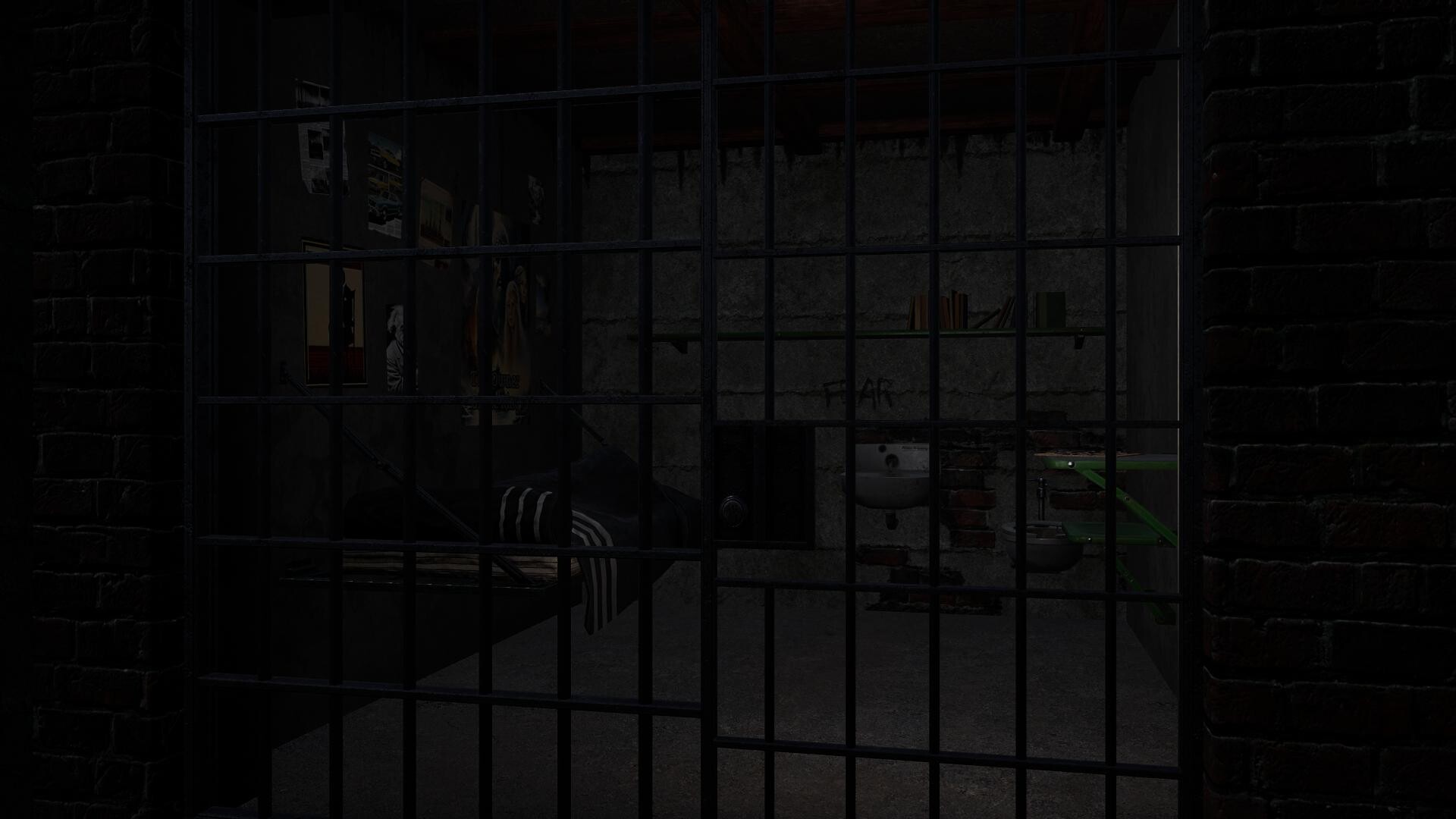
- The Atmosphere Seeker: You prefer games that use architecture and lighting to tell stories. The mansion-as-archive conceit — rooms left mid-routine, missing photographs, and erased identities — is designed to reward observational play.
- The Emotional Investigator: You want a personal motive behind every clue. Jin’s search for his sister provides an emotional throughline: discoveries matter because they could alter the protagonist’s life, not merely because they unlock a door.
- The Puzzle-Forward Explorer: You enjoy environmental puzzles tied to narrative reveals. If decrypting documents and restoring systems appeals, the game’s core loop will feel satisfying.
How it compares (short editorial table)
| Game | Primary focus | Story tone | Exploration style | Puzzle approach / pacing |
|---|---|---|---|---|
| Trace of the Villa | Investigative mansion mystery | Personal, slow-burn, procedural → personal | Clue-driven, confined estate | Environmental puzzles, document decryption, staged reveals |
| Inscryption | Card-based horror + meta puzzles | Inky, psychological, increasingly surreal | Room-scale escape-room meets meta spaces | Deckbuilding + puzzle combination; tonal escalation |
| Outer Wilds | Open-world cosmic mystery | Curious, melancholic, discovery-led | Open solar-system exploration | Player-led discovery; long-form puzzle threads |
| Journey | Emotional, minimalist exploration | Poetic, wordless, atmospheric | Linear but open-feeling landscapes | Traversal and environmental discovery; meditative pacing |
| The Forgotten City | Narrative mystery with time-loop mechanics | Moral, investigatory, civic-scale stakes | Dense, interlinked town with conversational clues | Dialogue puzzles and logic-driven revelation |
| The Medium | Psychological horror with dual-realm exploration | Dark, reflective, trauma-focused | Paired real/spirit world areas | Parallel-reality puzzles and narrative investigation |
Notes: comparisons focus on genre, atmosphere, exploration style, and puzzle emphasis for editorial discovery only.
Deciding if this fits your shelf
Pick Trace of the Villa if you want an investigation that prizes slow accumulation of evidence, environmental storytelling, and an emotional throughline (a protagonist with a long-standing missing-person motivation). If you prefer sprawling open-world mysteries, heavy mechanics-driven puzzles, or multiplayer interactions, this title appears to lean toward contained, narrative-first design rather than broad mechanical systems.
Watch and discover more
If you want to see trailers or gameplay clips, search YouTube: Trace of the Villa trailer / gameplay (YouTube search). The search link provided is a discovery path; specific videos may be official or from community creators — verify publisher channels if you require official materials.
Final notes and CTA
Trace of
Leave a Reply