
Trace of the Villa — who should wishlist this slow-burn mansion mystery
Trace of the Villa is a document-driven investigative adventure that drops you into a decaying, off-grid mansion as Jin searches for his missing sister. Released on 28 May, 2026 by Steadyturtle Co., Ltd., the game leans on rooms, recovered manifests and encrypted records to build a clue-driven narrative puzzle experience.

Quick facts
| Title | Trace of the Villa |
|---|---|
| Developer / Publisher | Steadyturtle Co., Ltd. |
| Release date (Steam) | 28 May, 2026 |
| Genres | Action, Adventure, Indie |
| Steam categories / accessibility | Single-player; Color Alternatives; Custom Volume Controls; Playable without Timed Input; Subtitle Options; Family Sharing |
| Official premise | Jin follows a lead to a remote, decaying mansion where manifests and hints suggest his missing sister may still be alive. |
Who should consider Trace of the Villa?
This is for players who prefer atmospheric mystery adventure focused on environmental storytelling, slow-burn suspense and forensic-style investigation. If you enjoy unpacking rooms, reading recovered documents, tracing financial and identity irregularities, and letting a timeline form from scattered fragments rather than being told everything outright, Trace of the Villa is aimed at you.
What the game is — the investigative mechanics you can expect
Trace of the Villa frames investigation around tangible, in-game evidence: restored power brings systems back online, hidden compartments open, safes reveal encrypted documents, and manifests and transfer records stitch together a clandestine operation. The official description emphasizes room-based clues (furnished rooms with missing identities) and puzzle resolution that uncovers further layers of the story.
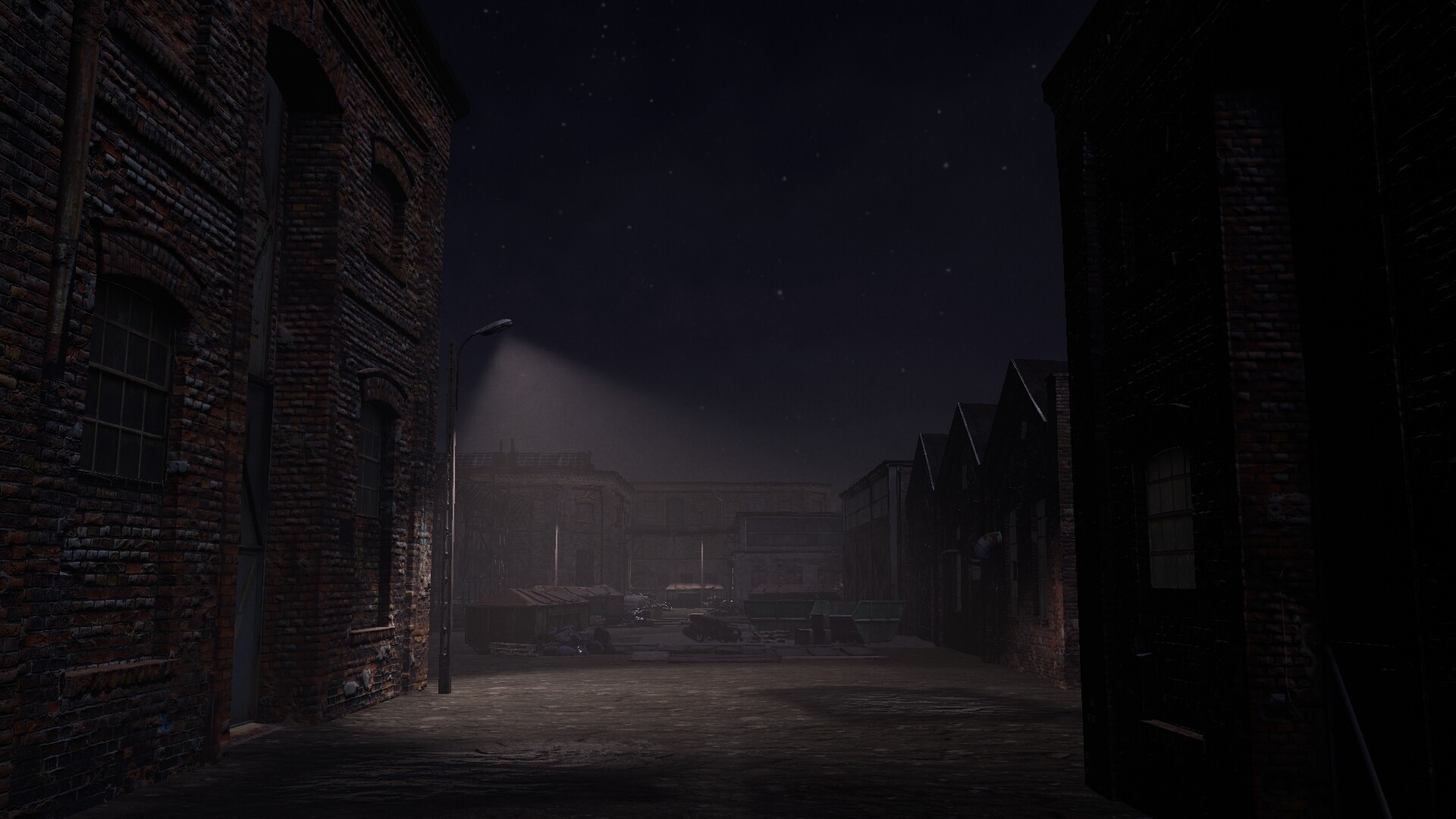
When and where — Steam context
Trace of the Villa launched on Steam on 28 May, 2026. It appears in Steam’s Action / Adventure / Indie genres and carries accessibility categories like subtitles, color alternatives and options that remove timed inputs — useful details for PC players choosing pacing and difficulty.
Why the mansion, documents and slow reveal matter
The game’s core theme is about erased identities and obfuscated movements: rooms that feel “erased,” falsified identities, financial trails that lead nowhere. That structure suits players who want narrative weight earned through accumulation of evidence. The mansion setting turns every room into a node of discovery; the absence of photographs or names becomes a puzzle mechanic as much as it is tone-setting.
How you progress — reading evidence and piecing a timeline
- Restore systems: restoring power is explicitly described as a gameplay beat that reactivates secured systems and advances investigation.
- Open compartments and safes: the official text lists hidden compartments and safes yielding encrypted documents and suspicious transfer records.
- Interpret manifests and records: manifests, transfer records and encrypted fragments become the connective tissue that reveals the mansion’s true function.
- Layered puzzles: each solved puzzle uncovers another layer — a deliberate design for players who enjoy slow, document-heavy revelations rather than rapid action set-pieces.
Player scenarios — specific tastes that match Trace of the Villa
- Prefer methodical exploration: you like moving room to room, cataloguing small details and using documents to map the story.
- Enjoy detective-style puzzles: decrypting, cross-referencing manifests and financial trails to reach conclusions appeals to you.
- Atmosphere over jump scares: you want oppressive silence and the sense of a place “erased” rather than purely survival-horror mechanics.
- Accessible pacing: features like “playable without timed input” and custom volume/subtitle options let you set a pace that favors reading and reflection.
How it compares — nearby mystery and puzzle titles
| Title | Year | Genre / Focus | Atmosphere / Tone | Puzzle / Exploration Style | Pacing |
|---|---|---|---|---|---|
| Trace of the Villa | 2026 | Action, Adventure, Indie | Mansion mystery; erased identities; documentary clues | Document-driven, compartment/safe puzzles, system restores | Slow-burn, investigative |
| Amnesia: The Dark Descent | 2010 | Action, Adventure, Indie | Immersive survival horror | First-person horror exploration with environmental puzzles | Intense, tension-driven |
| SOMA | 2015 | Action, Adventure, Indie | Sci‑fi horror, existential | Exploration with narrative puzzles and environmental storytelling | Measured, narrative-heavy |
| Layers of Fear (2016) | 2016 | Adventure, Indie | Psychological Victorian mansion | Atmospheric puzzles tied to a shifting environment | Psychological, often disorienting |
| The Room | 2014 | Adventure, Indie | Mysterious, intimate puzzle spaces | Object-based mechanical puzzles (safe/lock focus) | Focused, puzzle-centric |
| Rusty Lake Hotel | 2016 | Adventure, Indie | Dark, eerie puzzle tone | Point-and-click puzzles with surreal storytelling | Compact, vignette-style |
Who should be cautious
If you want fast-paced, combat-heavy action or a narrative delivered primarily through cinematic set-pieces, Trace of the Villa’s document-and-room-led investigation may feel slow. The experience is built around reading, reconstructing timelines, and unlocking layered puzzles — it rewards patient players more than speedrunners.
YouTube discovery
If you want trailers or gameplay clips, search YouTube for Trace of the Villa trailers and gameplay at: Trace of the Villa trailer & gameplay (YouTube search). This is a YouTube search path; specific videos should be verified as official when possible.
Steam page:
Leave a Reply