
Trace of the Villa — where locked-room logic meets slow-burn mansion mystery
Trace of the Villa is a single-player, clue-driven atmospheric mystery that follows Jin as he investigates a remote, decaying mansion and the traces it holds of his missing sister. The developer/publisher Steadyturtle Co., Ltd. ships this action-adventure indie on Steam with features like subtitle options, playable-without-timed-input settings, and accessibility-minded controls.
Quick facts
| Title | Trace of the Villa |
|---|---|
| Release date | 28 May, 2026 |
| Developer / Publisher | Steadyturtle Co., Ltd. |
| Genres | Action, Adventure, Indie |
| Platform | Steam / PC |
| Key categories / features | Single-player; Color Alternatives; Custom Volume Controls; Playable without Timed Input; Subtitle Options; Family Sharing |
| Official short premise | Jin has spent years searching for his missing sister, pursuing leads that took him to a remote, decaying mansion where he recovered manifests and hints that indicate his sister may still be alive, somewhere at the end of the trail he is about to follow. |
Images


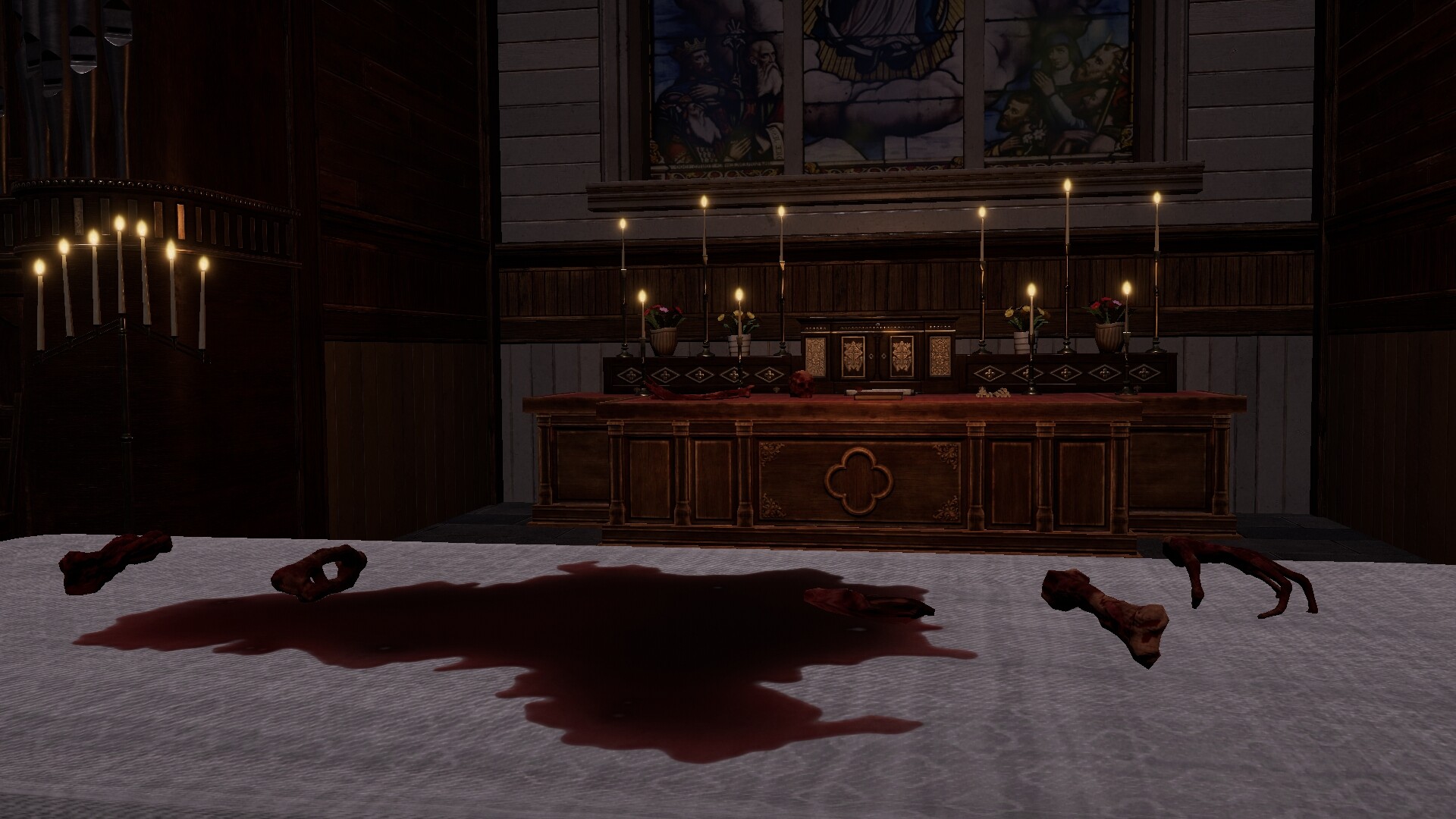
Who should wishlist it
Wishlist Trace of the Villa if you prefer slow-burn suspense and environmental storytelling over twitch reflexes. The Steam metadata shows it as an Action / Adventure / Indie title with options that make it approachable for single-player, narrative-focused players (subtitles, no timed-input requirement). If you play for carefully chained puzzles, reading a space for clues, and a protagonist following an emotional lead—this title is targeted at that audience.
What the game actually is
From the official Steam description: you play as Jin, investigating a remote, deliberately forgotten mansion after finding manifests and hints that may point to his missing sister. The house is described as feeling “less abandoned than erased”—rooms left mid-routine, locked doors hiding secured secrets, and personal belongings present but stripped of names or photographs. As Jin restores power, secured systems come back online, hidden compartments unlock, and safes yield fragments of encrypted documents and suspicious transfer records. Those revealed items form a chain of evidence that pushes the investigation forward.
When and where
Trace of the Villa released on Steam on 28 May, 2026. It is listed on Steam as a PC title developed and published by Steadyturtle Co., Ltd.
Why the theme matters — locked-room thinking in a narrative puzzle
The mansion premise converts environmental detail into investigative fuel: the absence of obvious identifiers (no photographs, no names) turns ordinary objects into charged clues. Locked-room logic matters because each sealed door or powered-off system delays information and forces players to assemble a chain of proof rather than relying on exposition. That design pushes players to treat the house like a ledger—every unlocked compartment or restored circuit incrementally rewrites what you think happened here.
How you read clues and maintain puzzle-chain momentum
Based on the Steam text, progression is built on layered discoveries. Early steps involve finding manifests and hints; intermediate steps include restoring power and reactivating systems that reveal hidden compartments; advanced steps yield encrypted fragments and financial traces. That sequence—discover, restore, decode, connect—keeps momentum by alternating modes of attention: environmental reading, mechanical interaction, and document-based deduction. Because the game lists “Playable without Timed Input,” players who like to methodically cross-reference objects and notes will be able to work at their own pace.
Player scenarios
- For the environmental-reader: You notice small, repeated motifs across rooms and enjoy turning a piece of furniture or restoring a circuit to reveal the next step.
- For the clue-chain solver: You like connecting seemingly trivial fragments—manifests, transfer records, encrypted notes—into a timeline that explains disappearances.
- For more atmospheric players: You want slow-burn tension and story tone over nonstop combat; the mansion’s “erased” feel is central to the mood.
- For accessibility-minded players: Steam categories list subtitle options and no timed input, and custom volume and color alternatives suggest tuning options for different play styles.
How it compares — a short editorial table
| Title | Genre / Tone | Puzzle focus | Exploration style | Pacing | Player fit |
|---|---|---|---|---|---|
| The Room | Adventure / Indie — intimate, mechanically focused | Item-and-device puzzles (safe, mechanisms) | Single-room, tactile inspection | Contained, deliberate | Players who enjoy object-by-object mechanical puzzles |
| The Room Two | Adventure / Indie — cryptic, atmospheric | Sequential mechanical puzzles and set-pieces | Linked chambers and environments | Measured, puzzle-led | Those who like a narrative through puzzle progression |
| Escape Simulator | Adventure / Casual / Indie — interactive escape rooms | High interactivity, physics and object manipulation | Multi-room, sandbox within rooms | Variable—can be fast when cooperative | Players who want tactile experimentation and co-op options |
| Hi‑Fi RUSH | Action — rhythm-driven, high-energy | Combat and rhythm mechanics rather than object puzzles | Linear action stages | Upbeat, kinetic |
Leave a Reply