
Trace of the Villa — an inspection-heavy mansion mystery for locked‑room thinkers
Trace of the Villa is a story‑rich, atmospheric mystery adventure about Jin’s search for a missing sister inside a deliberately erased, decaying mansion. It leans on object logic, chained clues, and environmental puzzles that reward careful inspection rather than fast reactions.

Quick facts
| Title | Trace of the Villa |
|---|---|
| Steam appid | 3483660 |
| Developer / Publisher | Steadyturtle Co., Ltd. |
| Release date | 28 May, 2026 |
| Genres | Action · Adventure · Indie |
| Categories / accessibility | Single‑player · Color Alternatives · Custom Volume Controls · Playable without Timed Input · Subtitle Options · Family Sharing |
| Short premise | “Jin has spent years searching for his missing sister… a remote, decaying mansion where he recovered manifests and hints that indicate his sister may still be alive.” (Official Steam short description) |
Who should wishlist or buy this
- Players who prefer slow‑burn, story-led mystery over twitch gameplay — Trace of the Villa lists “Playable without Timed Input” among its accessibility options and is built around investigation rather than combat rhythms.
- Fans of inspection‑heavy puzzle design who enjoy reading the environment, assembling clue chains, and using object logic to unlock the next layer of narrative evidence.
- Single‑player explorers who want a mansion mystery with psychological undertones and document‑driven revelations rather than multiplayer or physics sandbox puzzles.
What the game actually is
The official Steam materials position Trace of the Villa as an investigative adventure: Jin finds a property “cut off from the grid,” restores systems, and uncovers hidden compartments, safes, encrypted documents, and suspicious transfer records. The sequence described — restore power, re‑open secured systems, read manifests and fragments — maps to a design that emphasizes environmental reading and chained discoveries. Expect puzzles that unlock more evidence, not one‑off gimmicks.

When and where — Steam details
Trace of the Villa released on 28 May, 2026 on Steam. It’s developed and published by Steadyturtle Co., Ltd., listed under Action, Adventure, Indie and categorized for single‑player play with a set of accessibility options (color alternatives, custom volume, subtitles, and playable without timed input).
Why the mansion setting and evidence trails matter
Mansion mysteries are a natural fit for object logic because they concentrate items, rooms, and social traces into a bounded space. The official description stresses removed identities, falsified records, and a sense that the house was “erased.” That creates repeated micro‑puzzles with narrative payoff: each solved lock or recovered manifest doesn’t just open a door mechanically, it materially shifts what you can deduce about the people who lived or were held there. If you enjoy puzzle solutions that feed back into the story — documents that refract motive, receipts that imply movement, systems that reanimate the environment — the theme matters because it makes clues meaningful beyond the next puzzle.
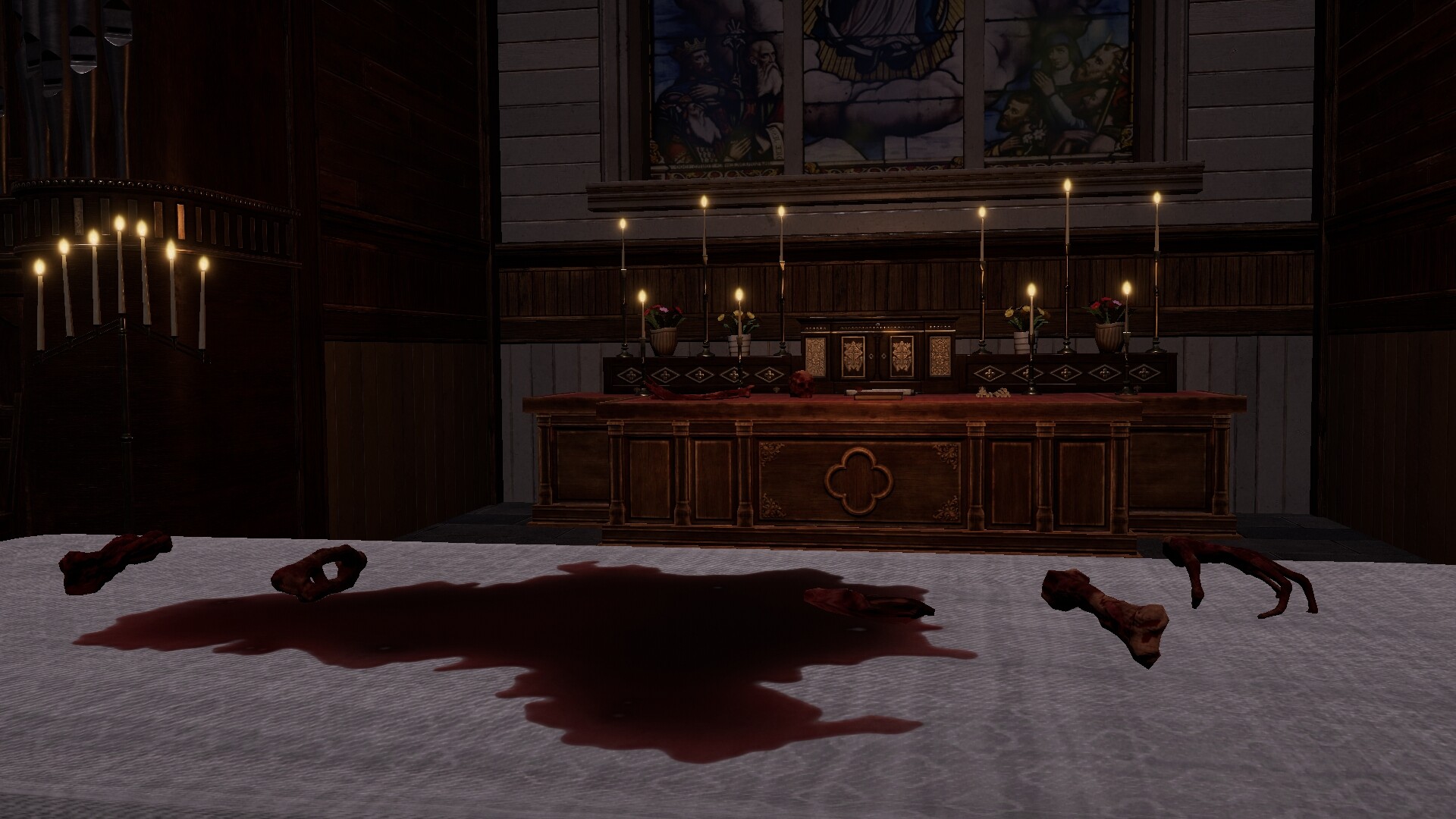
How you progress — reading, chaining, and object logic
Trace of the Villa’s description shows a progression loop built on inspection: restore power → access secured systems → find hidden compartments → read fragments → infer next target. That’s classic clue‑chain design. Two practical implications for players:
- Inspection matters. Items, documents, and powered systems are the primary sources of information; missing a prop or misreading an entry can stall progress.
- Solutions are evidentiary, not purely mechanical. Puzzles typically tie to story artifacts (manifests, transfer records, encrypted fragments) so the reward is both mechanical access and narrative context.
Player scenarios — which session fits your playstyle
Short session: afternoon detective
Play an hour, close a thread, and keep a clear mental map of discovered evidence. Because the game lists custom volume and subtitle options and “Playable without Timed Input,” you can methodically scan rooms without time pressure and save before deeper decryptions.
Long session: slow, document‑driven unravel
If you like building a dossier, expect multi‑room threads where one recovered document reframes prior items. These extended sessions reward note‑taking, photo captures, or replaying sections to follow a trail of falsified identities and suspicious transfers.
Locked‑room thinker: puzzle chain focus
Players who enjoy locked‑room puzzles will appreciate that the mansion functions like a compound of interlocking puzzles — restore a subsystem here, and an entirely new area becomes solvable. The emphasis is on deduction and backtracking with a narrative payoff at each stage.
How Trace of the Villa compares to nearby mystery and puzzle games
Below is a focused editorial comparison using lawful criteria: genre, atmosphere, puzzle focus, exploration style, story tone, and pacing.
| Title | Puzzle focus | Exploration style | Story tone | Pacing | Best for |
|---|---|---|---|---|---|
| Trace of the Villa | Environmental/object logic, chained clues, encrypted documents and locked systems | Single‑player, mansion investigation; systematic room‑to‑room evidence gathering | Psychological investigation / mansion mystery (erasure of identities) | Slow‑burn, methodical | Players who prefer inspection‑heavy, narrative puzzles |
| The Room | Mechanical puzzle boxes and tactile safe puzzles | Confined, focused spaces — often a single elaborate chamber | Mysterious, arcane, puzzle‑centric | Careful and methodical | Players who like intimate, tactile puzzle boxes |
| Escape Simulator | Highly interactive object manipulation and physics; sandbox puzzles | Many rooms and community content; modular levels | Casual, social, creative | Variable — short rooms to longer escapes | Players who prefer interactive object play, co‑op, and user‑created rooms |
Leave a Reply