Trace of the Villa — an inspection-heavy, locked-room mystery for patient puzzle players
Trace of the Villa is an atmospheric mystery adventure about Jin, a man who follows a cold lead to a decaying, cut-off mansion and uncovers manifests, encrypted fragments, and hints that his missing sister may still be alive. Released on 28 May, 2026 by Steadyturtle Co., Ltd., the game combines slow-burn investigation with object logic and environmental puzzle design aimed at players who enjoy careful reading and chained clues rather than twitch action.

Quick facts
| Title | Trace of the Villa |
|---|---|
| Developer / Publisher | Steadyturtle Co., Ltd. |
| Release date | 28 May, 2026 |
| Genres | Action / Adventure / Indie |
| Player mode & features | Single-player; Color Alternatives; Custom Volume Controls; Playable without Timed Input; Subtitle Options; Family Sharing |
| Steam app | Trace of the Villa on Steam |
| Steam reviews | No user reviews on Steam (as of release data) |
What the game is — core pitch
Officially described on Steam, Trace of the Villa follows Jin as he searches a deliberately forgotten mansion where rooms feel “erased,” identities are missing, and locked doors hide secured systems and encrypted documents. Restoring power and unlocking systems drives the investigation: safes, hidden compartments and secured records yield fragmentary evidence that form clue chains leading to larger, unsettling discoveries.
Where and when to play
Trace of the Villa is available on Steam as a PC release (store page linked above). The title launched 28 May, 2026 and lists standard accessibility and presentation features such as subtitle options, custom volume controls and color alternatives, and is playable without timed input — useful for players who favour methodical, inspection-led progress.
Why the mansion setting and theme matter
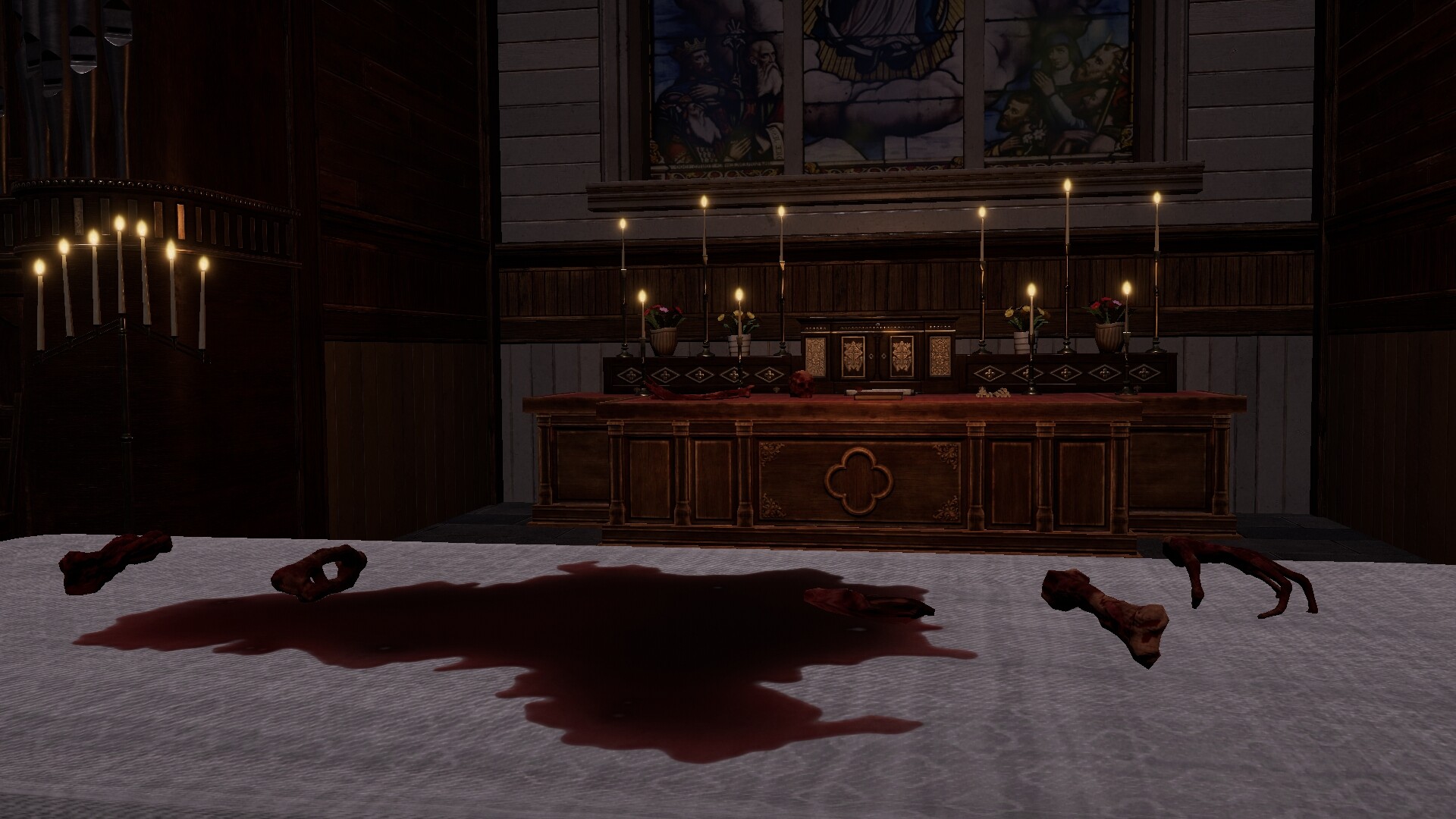
Mansion mysteries work well for inspection-heavy design because they provide contained spaces with layered staging: personal objects, locked rooms, and domestic systems let designers hide narrative through environment rather than exposition. Trace of the Villa uses this containment to make each solved compartment or restored terminal push the story forward — the investigation is both puzzle-driven and psychological, with financial trails, falsified identities, and arrivals with no records suggested in the official description.
How you read clues and progress — object logic and environmental puzzles
Trace of the Villa’s design emphasis, per the Steam description, is on restoring systems and uncovering fragments: you’ll power up estate systems, access locked hardware, and piece together manifests and encrypted documents. Expect a gameplay loop built around careful inspection of rooms, chaining small discoveries into larger inferences, and using recovered items and records to trigger the next access point. The game’s “playable without timed input” category suggests puzzles reward patience and methodical attention rather than speed.

Who should wishlist it — reader-oriented scenarios
If any of the following describe you, Trace of the Villa is worth adding to your wishlist:
- You prefer slow-burn suspense and environmental storytelling over combat-heavy pacing.
- You enjoy games where inspection, note-keeping and cross-referencing evidence matter more than reflexes.
- You like mystery adventures that build tension through chained clues (unlocking one system leads to the next lead).
- You favor single-player, narrative puzzle play and accessibility options such as no timed inputs and subtitles.
Player scenarios (concrete examples)
- Investigator at home: You play evenings with a notebook and enjoy pausing to re-check a room for a detail you missed — the game’s design supports that tempo.
- Documentarian style: You’re motivated by collecting and decrypting fragments; finding a bank transfer record or a falsified manifest is a small victory that leads to new rooms.
- Casual puzzle fan: You want atmosphere and story with minimal platforming or timed sequences; the “playable without timed input” feature lets you take your time.
How it compares — editorial comparison table
| Title | Genre / Tone | Puzzle & exploration focus | Player mode / Pacing | Release |
|---|---|---|---|---|
| Trace of the Villa | Action / Adventure / Indie — mansion mystery, slow-burn suspense | Inspection-heavy, locked doors, restoring systems, document fragments | Single-player; methodical pacing, no timed input | 28 May, 2026 |
| The Room | Adventure / Indie — focused puzzle mystery | Mechanical object puzzles, tactile safe-and-box solutions | Single-player; puzzle-box pacing | 28 Jul, 2014 |
| The Room Two | Adventure / Indie — cryptic, atmospheric continuation | Object manipulation, sequential puzzle events | Single-player; deliberate, puzzle-box progression | 5 Jul, 2016 |
| Escape Simulator | Adventure / Casual / Indie — high interactivity | Highly interactive rooms, physics-enabled manipulation, community rooms | Solo or online co-op; faster, toy-like experimentation | 19 Oct, 2021 |
Editorial note: these comparisons focus on atmosphere, puzzle emphasis and player fit. The Room series emphasizes single-location puzzle boxes and tactile mechanics, Escape Simulator emphasizes high interaction and co-op, while Trace of the Villa centers chained forensic clues, environmental storytelling and system restoration.
Trailer and video discovery
Search for trailers and gameplay videos on YouTube using this discovery path (useful if you want to watch walkthrough snippets or the official trailer): Trace of the Villa trailer & gameplay on YouTube. This is a YouTube search reference and not a confirmed direct link to an official video.
Bottom line — who will get the most from Trace of the Villa
Trace of the Villa fits players who prize environmental storytelling, object logic, and careful evidence-gathering over fast-paced action. The mansion setting and the developer’s stated focus on recovered manifests and encrypted fragments make this a narrative puzzle experience for readers, note-takers, and players who want piecemeal revelations to accumulate into a disturbing larger picture.
Disclaimer
Referenced titles and trademarks belong to their respective owners. Comparisons above are editorial discovery only and use publicly available genre/description data.
Leave a Reply