
Trace of the Villa — an inspection-heavy mansion mystery for clue-driven players
Steadyturtle’s Trace of the Villa (released 28 May, 2026) places you in a decaying, off-grid mansion where Jin’s search for a missing sister becomes an exercise in object logic, environmental reading, and chained clues. If you prefer slow-burn investigation that rewards careful inspection and methodical linking of evidence rather than twitch reflexes, this one aims squarely at that playstyle.

Quick facts
| Title | Trace of the Villa |
|---|---|
| Steam AppID | 3483660 |
| Release date | 28 May, 2026 |
| Developer / Publisher | Steadyturtle Co., Ltd. |
| Genres | Action, Adventure, Indie |
| Key Steam categories | Single-player; Playable without Timed Input; Color Alternatives; Custom Volume Controls; Subtitle Options; Family Sharing |
| Short premise | Jin follows leads to a remote, decaying mansion and recovers manifests and hints that indicate his missing sister may still be alive. |
Who should wishlist Trace of the Villa?
This is for players who enjoy atmospheric mystery adventure and psychological investigation built around object logic and environmental storytelling. If you appreciate games that ask you to read a room — furniture placement, powered systems brought back online, safes releasing fragments of encrypted documents — and then assemble those fragments into plausible narratives, Trace of the Villa is pitched at that appetite.
What the game is, in practical terms
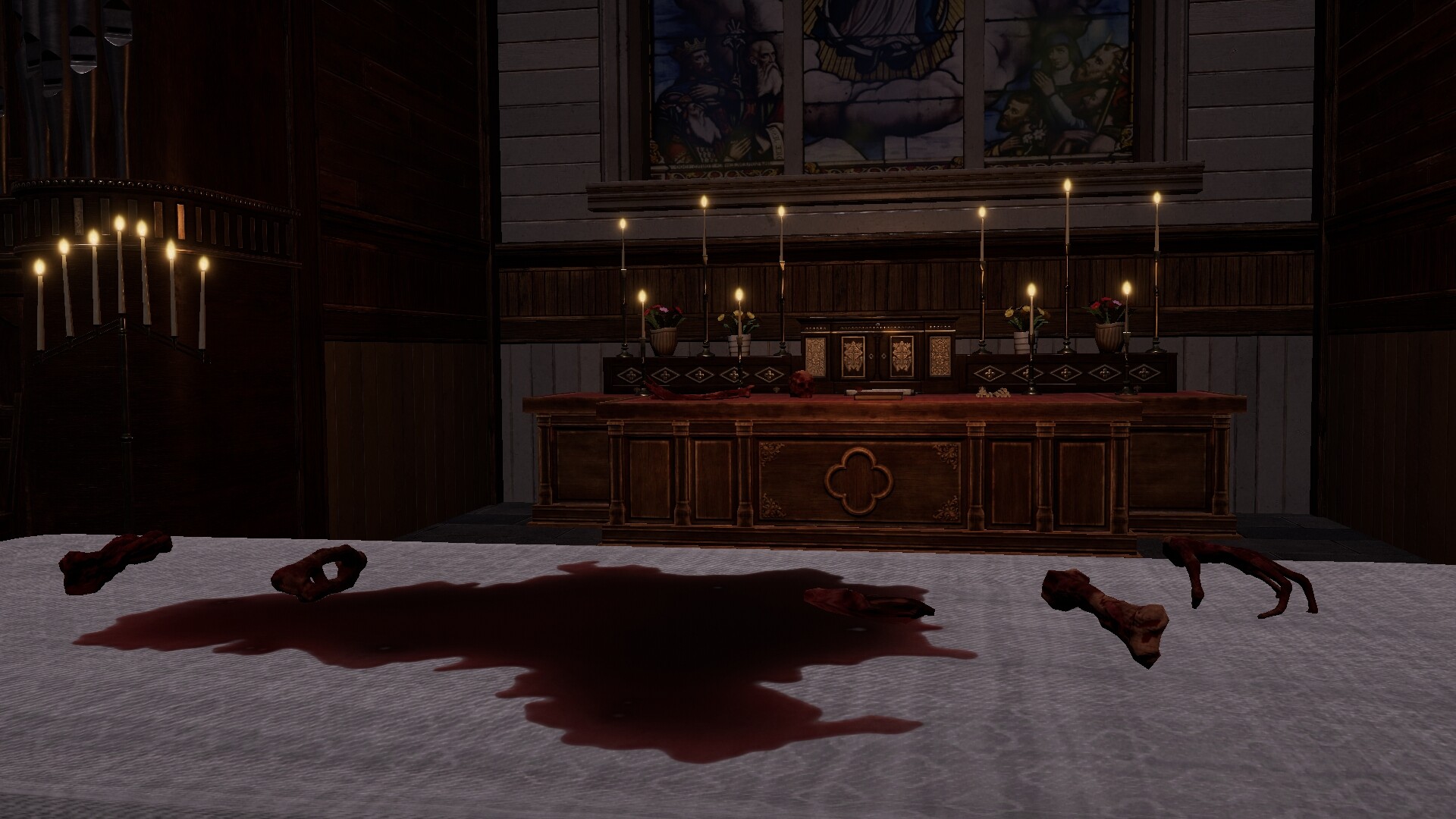
Official copy frames the experience as a decaying, deliberately forgotten mansion where systems and locked compartments reveal fragments of a larger operation when restored. Expect puzzle encounters tied to restoring power, unlocking secured areas, and interpreting documents and manifests recovered around the estate. The focus is investigative and inspection-heavy rather than fast-action puzzle bursts.

When and where to get it
Trace of the Villa released on 28 May, 2026 and is available on Steam for PC. The Steam page lists the developer and publisher as Steadyturtle Co., Ltd. and positions the title under Action / Adventure / Indie with single-player and accessibility-minded categories such as subtitle options and “playable without timed input.”
Why the mansion setting matters for the puzzle design
The mansion is structured as a layered information environment: rooms preserved mid-use, missing personal identifiers, secured systems that only reveal content when you restore power or open safes. That framing supports locked-room thinking and clue chains — one discovery often supplies the next question and the toolset to answer it. Thematically, the removal of names and records turns ordinary object inspection into detective work: small physical details become narrative evidence.
How progression looks — reading, linking, and logical leaps
- Inspection first: items and room setups are primary evidence. The official description emphasizes “manifests and hints” recovered around the property.
- Systems restoration: returning power and reactivating systems yields locked content; this creates a clear mechanical sequence of cause and effect rather than random puzzle gating.
- Fragment assembly: safes and secured systems yield partial documents and encrypted fragments that must be connected into timelines and financial trails.
- Clue chains: many puzzles appear to be chained — one unlocked compartment provides a datum needed to operate another device or decode a record.
Player scenarios — who will get the most from Trace of the Villa
- Quiet-room sleuths: you enjoy moving slowly, scanning shelves, and cross-referencing found documents. You’re rewarded by narrative payoff rather than speed runs.
- Puzzle narrativists: you want puzzles that double as storytelling devices — safes and encrypted manifests that, when solved, change how you interpret previous scenes.
- Methodical explorers: you prefer logical, inspection-heavy mechanics (no timed inputs required) and appreciate accessibility options like subtitles and color alternatives.
How it compares to nearby mystery/puzzle games
Below is a concise editorial comparison focused on genre, atmosphere, puzzle focus, exploration style, and multiplayer options — intended to help you decide fit, not to rank or endorse.
| Title | Release | Core puzzle focus | Exploration style | Multiplayer |
|---|---|---|---|---|
| Trace of the Villa | 28 May, 2026 | Object logic, environmental puzzles, document/clue chains (inspection-heavy) | Single-player, slow-burn mansion exploration with system restoration and locked compartments | No (Single-player) |
| The Room | 28 Jul, 2014 | Mechanical puzzle boxes, intimate tactile puzzles | Focused single-room to single-location puzzle progression | Single-player |
| The Room Two | 5 Jul, 2016 | Expanded tactile puzzles across multiple connected locations | Single-player, set-piece puzzle rooms with narrative through devices | Single-player |
| Escape Simulator | 19 Oct, 2021 | Highly interactive object manipulation and community-made rooms | Sandbox of rooms with physics-driven interaction; supports varied room types | Solo or online co-op (multiplayer) |
Deciding checklist — will you like it?
- Yes if you prefer environmental storytelling where each object is a clue and puzzles are narrative devices.
- Yes if you dislike strict time limits — the Steam listing specifically notes “Playable without Timed Input.”
- Less likely if you want fast, reflex-driven challenges or co-op puzzle play: Trace of the Villa is framed as a single-player, inspection-led experience.
YouTube discovery
If you want to see footage before adding it to your wishlist use this YouTube search URL to find trailers and gameplay clips: Search Trace of the Villa trailer & gameplay. (Use the search to locate verified trailers or gameplay; the Steam data does not identify a single official video link here.)
View Trace of the Villa on Steam
Disclaimer: referenced titles and trademarks belong to their respective owners. Comparisons in this article are editorial discovery, not endorsements or claims of superiority.
Leave a Reply