
Trace of the Villa: where locked-room logic meets inspection-heavy environmental puzzles
Trace of the Villa drops you into a decaying mansion built around clue chains and slow-burn investigation: you restore power, open secured compartments, and follow financial and identity traces to an answer that may be personal. It’s an atmospheric mystery adventure from Steadyturtle Co., Ltd., released on 28 May, 2026, that privileges reading rooms and objects over twitch reflexes.

Who
Trace of the Villa is for players who prefer methodical, inspection-heavy play: people who enjoy parsing room layouts, inventory fragments, and document trails rather than fast-action set pieces. The developer and publisher is Steadyturtle Co., Ltd.
What
On Steam the title is listed as an Action / Adventure / Indie game with categories that emphasize accessibility and single-player exploration (Single-player; Color Alternatives; Custom Volume Controls; Playable without Timed Input; Subtitle Options; Family Sharing). The official short description frames the story plainly: Jin investigates a remote mansion after leads suggest his missing sister may still be alive.
When and where
Trace of the Villa released on 28 May, 2026 and is available on Steam. The Steam app ID is 3483660; the store page contains trailers, screenshots, and the official store listing for purchase or wishlist.
Why the mansion setting matters
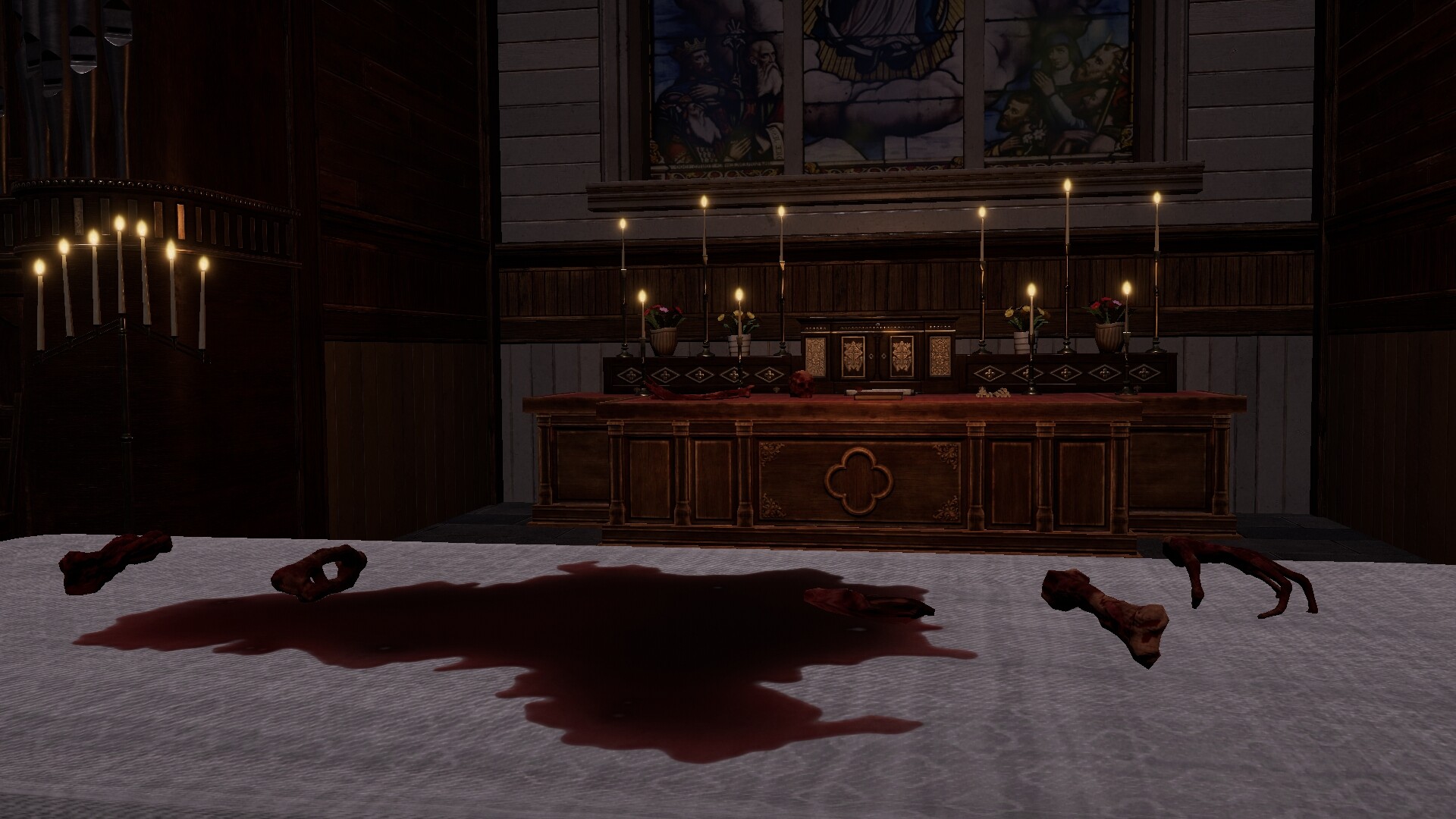
The mansion in Trace of the Villa functions as a closed system: rooms are “furnished as if their occupants vanished mid-routine,” identities have been erased, and the house itself holds the procedural clues — power systems to restore, safes and encrypted documents to unlock, manifests and suspicious transfer records to read. That design pushes the player into a detective rhythm: inspect, corroborate, and then act on the evidence you’ve chained together.
How you progress — reading the environment and chaining clues
The official description makes the mechanics implicit. Progress comes from restoring systems and uncovering hidden spaces: secured systems coming back online reveal new interactions; safes and compartments yield fragments that you combine into timelines or lead to locations; manifests and transfer records point to false identities and obscured movements. That flow rewards object logic (what an item is and what it implies), environmental puzzle solving (how a room’s state conceals information), and patient inspection rather than rapid reflexes.

Quick facts
| Title | Trace of the Villa |
|---|---|
| Steam appid | 3483660 |
| Developer / Publisher | Steadyturtle Co., Ltd. |
| Release date | 28 May, 2026 |
| Genres / Categories | Action, Adventure, Indie — Single-player; Color Alternatives; Custom Volume Controls; Playable without Timed Input; Subtitle Options; Family Sharing |
| Official premise | Jin follows leads to a remote mansion, recovering manifests and hints suggesting his missing sister may still be alive. |
Who should wishlist Trace of the Villa?
- Players who prefer environmental storytelling and clue-driven exploration over combat-heavy or fast-pace gameplay.
- Fans of slow-burn, psychological investigation where every object and document can alter your next step.
- Those who enjoy puzzle design built on object logic and chained discoveries rather than single-locked puzzles that reset on failure.
Player scenarios — concrete examples of who will enjoy this
- Inspection-first solver: you systematically check shelves, logs, and systems, annotate evidentiary threads, and feel rewarded when separate fragments cohere into a timeline.
- Environmental puzzle fan: you like puzzles that arise naturally from a room’s layout and state — flipping a breaker, observing a change, and then re-examining the scene to reveal the next clue.
- Story-first puzzle player: you want the narrative to unfold through documents and recovered systems rather than cutscenes; the mansion’s physical traces are the storyteller.
How Trace of the Villa compares to a few nearby titles
| Title | Genre / Tone | Puzzle focus | Pacing | Player fit |
|---|---|---|---|---|
| Trace of the Villa | Action · Adventure · Indie — atmospheric mansion mystery | Object logic, environmental puzzles, document/manifest reading, system restoration | Measured, investigative, slow-burn | Players who like methodical clue chains and inspection-heavy exploration |
| The Room (series) | Adventure · Indie — tactile, secluded puzzle-box atmosphere | Mechanical puzzle boxes with tactile interactions and a focus on single-object puzzles | Compact, puzzle-by-puzzle progression | Players who prefer dense mechanical puzzles and moment-to-moment puzzle discovery |
| Escape Simulator | Adventure · Casual · Indie — interactive escape-room play | Highly interactive rooms with physical manipulation and community-made content | Room-by-room, often fast to experiment and brute-force | Social or solo players who like physics-driven interaction and sandbox puzzle experimentation |
YouTube discovery
Search for trailers or gameplay using this YouTube discovery link (useful for finding community videos or the official trailer if available): YouTube: Trace of the Villa trailer & gameplay.
Steam store link: Trace of the Villa on Steam
Disclaimer: referenced titles and trademarks belong to their respective owners; comparisons above are editorial discovery only.
Leave a Reply