
Trace of the Villa — an inspection‑heavy, clue‑driven mansion mystery
Trace of the Villa drops you into Jin’s hunt for a missing sister inside a remote, decaying mansion where secrets were deliberately erased. Released 28 May, 2026 by Steadyturtle Co., Ltd., the game foregrounds locked‑room thinking, object logic and environmental puzzles that reward slow, forensic reading of place and possession.

Who this is for
This is a player‑first pitch: if you prefer puzzle design that privileges inspection over reflexes, you’ll want to consider Trace of the Villa. The Steam listing explicitly notes it is Single‑player, includes Subtitle Options, and is Playable without Timed Input — details that matter if you like deliberate, untimed puzzle chains and accessibility options that support careful reading of text and environment.
What the game is
Officially described on Steam, Trace of the Villa casts you as Jin, who finds manifests and hints in a mansion that suggest his sister may still be alive. The mansion is presented as a property “cut off from the grid and deliberately forgotten,” with rooms left as if occupants vanished mid‑routine. Restoring power causes secured systems to reactivate: hidden compartments, safes and encrypted fragments appear as you progress. The Steam metadata classifies the title under Action, Adventure, Indie, and lists categories such as Color Alternatives and Custom Volume Controls alongside Family Sharing.
When and where — Steam details
Trace of the Villa released on 28 May, 2026 on Steam. Developer and publisher are both Steadyturtle Co., Ltd. You can view the Steam store page for the official page copy, screenshots and system details.
Why the theme and design matter
The mansion setting and the premise of erased identities steer the game toward environmental storytelling: objects, power states and document fragments are evidence rather than exposition dumps. That design choice turns every book, lockbox and console into a node in a clue chain. For players who enjoy building timelines and inferring intent from clutter, that object‑level logic is central — story is recovered by methodically reassembling what the house itself has scattered.
How you read the game — mechanics and puzzle rhythm
Much of Trace of the Villa’s progression, per the Steam description, is achieved by restoring systems and unlocking secured areas: restore power, reactivate systems, find hidden compartments, open safes and collect encrypted documents and transfer records. The game frames puzzles as nested: solving one piece of physical or electronic logic typically exposes more artifacts that must be read and chained together to form the bigger narrative. Expect inspection‑heavy puzzles that reward cross‑referencing objects and documents across multiple rooms rather than isolated riddles.

Concrete player scenarios
- For methodical puzzle solvers: If you keep a notepad, enjoy cross‑referencing files and tracking who used which room when, Trace of the Villa’s nested clue chains and restored systems provide steady, evidence‑based rewards.
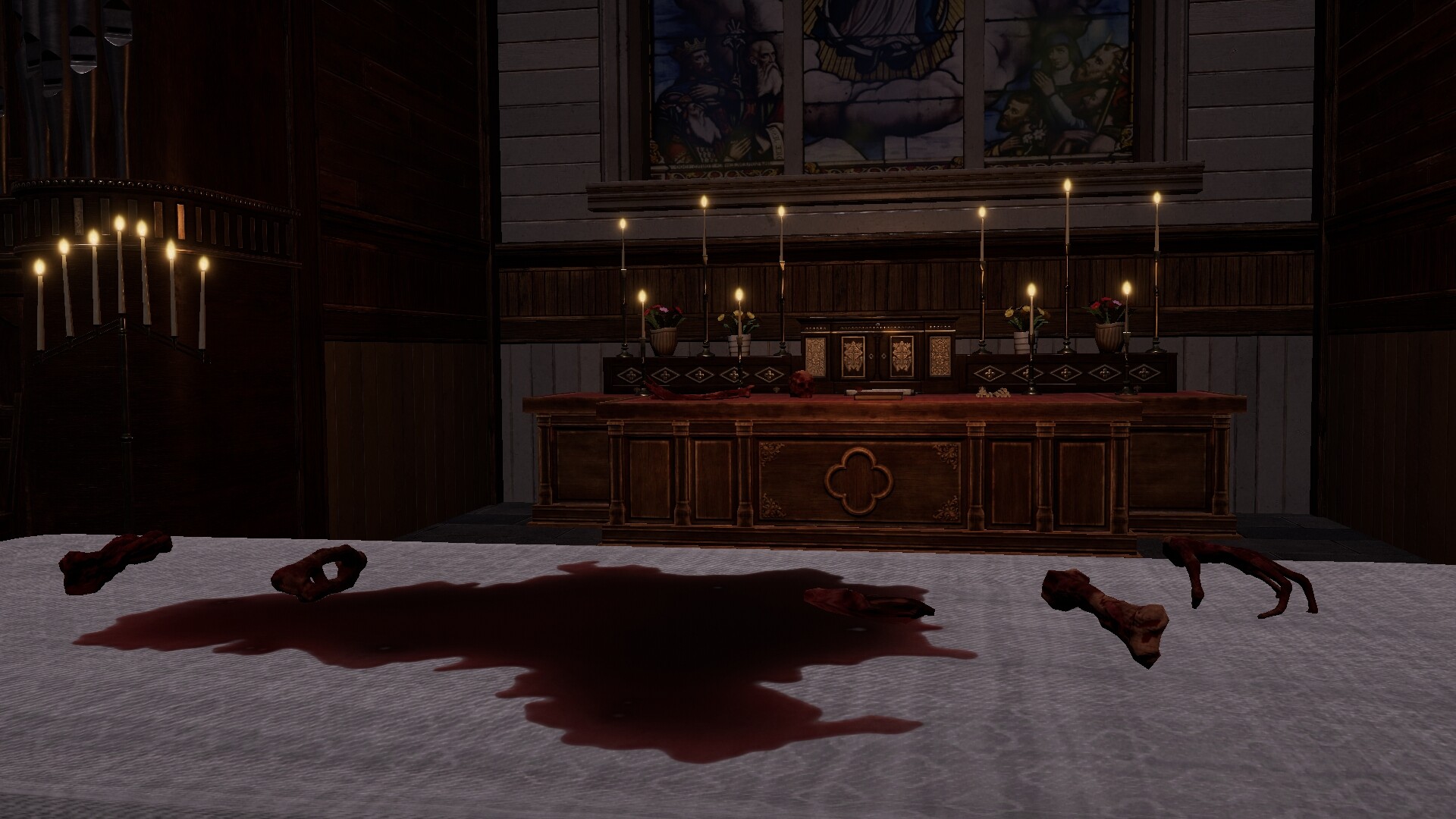
- For atmosphere seekers: Players who prefer slow‑burn suspense and reading place over jump scares will appreciate the mansion’s “erased” quality and furniture‑as‑evidence approach described on the Steam page.
- For accessibility‑minded players: The absence of timed input and presence of subtitle and color alternative options make it a better fit if you need pacing control or visual adjustments.
- Not ideal for quick‑action fans: If you want constant combat or leaderboard speedruns, the game’s inspection emphasis and narrative puzzle loops may feel deliberate and unhurried.
Trace of the Villa — quick facts
| Title | Trace of the Villa |
|---|---|
| Steam AppID | 3483660 |
| Release date | 28 May, 2026 |
| Developer | Steadyturtle Co., Ltd. |
| Publisher | Steadyturtle Co., Ltd. |
| Genres | Action, Adventure, Indie |
| Key categories / features | Single‑player; Color Alternatives; Custom Volume Controls; Playable without Timed Input; Subtitle Options; Family Sharing |
How it compares — other inspection and escape‑style puzzle experiences
Below is a focused editorial comparison on puzzle focus, atmosphere and playstyle using lawful editorial criteria and public store data for reference titles.
| Title | Core puzzle focus | Atmosphere / story tone | Playstyle / perspective | Release date |
|---|---|---|---|---|
| The Room | Inspection and mechanical puzzle safes; tactile object manipulation | Mysterious, intimate, artifact‑driven | First‑person puzzle exploration | 28 Jul, 2014 |
| The Room Two | Layered inspection puzzles around central pedestals and devices | Cryptic, focused on isolated rooms and discoveries | First‑person, moment‑to‑moment puzzle focus | 5 Jul, 2016 |
| Escape Simulator | Highly interactive escape rooms, physics objects and community rooms | Playful to tense depending on room; sandboxy | First‑person; solo or cooperative; editor and workshop support | 19 Oct, 2021 |
Editorial note: compared to The Room series’ intimate puzzle boxes, Trace of the Villa (per its Steam description) orients puzzles around a larger estate and systemic reactivation (power, safes, compartments), which makes it closer to a forensic investigation across space rather than single‑device puzzling. Compared to Escape Simulator, Trace of the Villa appears more narrative‑driven and single‑player focused, rather than workshop‑oriented or physics‑play sandboxing.
YouTube discovery
If you want trailer or gameplay search results on YouTube, use this discovery path (search results — not an official video claim): Steam page
Leave a Reply