
Trace of the Villa — a slow-burn, inspection-heavy mansion mystery
Trace of the Villa is a story-rich, atmospheric mystery adventure in which Jin follows clues through a decaying, off-grid mansion to learn whether his missing sister might still be alive. The game leans on environmental storytelling, locked-room thinking, and chained-object logic to make examination and deduction the primary play loop.

| Title | Trace of the Villa |
|---|---|
| Steam AppID | 3483660 |
| Release date | 28 May, 2026 |
| Developer | Steadyturtle Co., Ltd. |
| Publisher | Steadyturtle Co., Ltd. |
| Genres | Action · Adventure · Indie |
| Key categories / accessibility | Single-player · Color Alternatives · Custom Volume Controls · Playable without Timed Input · Subtitle Options · Family Sharing |
| Official short description | Jin has spent years searching for his missing sister, pursuing leads that took him to a remote, decaying mansion where he recovered manifests and hints that indicate his sister may still be alive, somewhere at the end of the trail he is about to follow. |
Who this suits
If you prefer methodical, inspection-led mystery games—players who like spending time reading environments, assembling clue chains, and solving puzzles that reward close observation—Trace of the Villa is aimed at you. It’s specifically presented as a single-player, story-forward experience; the Steam categories also list accessibility options like subtitles, color alternatives, and a “playable without timed input” tag that underline its focus on careful play rather than twitch timing.
What the game is
Official Steam text frames Trace of the Villa as a mansion mystery: Jin discovers a property cut off from the grid, furnished as if occupants vanished mid-routine, with locked doors and secured systems that, when restored, begin to reveal encrypted documents, transfer records, and falsified identities. The narrative and puzzle design pivot on uncovering layers of concealment—financial trails, erased identities, and movements that leave no normal records.
When and where
Trace of the Villa released on 28 May, 2026 and is available on Steam for PC. The Steam page lists developer and publisher as Steadyturtle Co., Ltd., and the store presence includes several official screenshots and header art linked above.
Why the theme matters: emotional stakes behind object logic
What separates environmental puzzle games that feel empty from those that feel urgent is motive: here the protagonist’s search for a missing sister attaches emotional weight to routine inspection. That motive directs the player’s attention—every manifest, encrypted fragment, and locked compartment feels meaningful because the game explicitly ties discovery to a personal goal. For players who value narrative payoff from meticulous exploration, that alignment of motive and mechanics is a central selling point.
How you play: locked-room thinking and clue chains
Trace of the Villa’s listed design and description emphasize a few concrete puzzle patterns useful for deciding whether to wishlist it:
- Object logic and inspection-heavy play: progression depends on finding and combining tangible fragments—documents, safes, secured systems—rather than abstract mini-games. Expect to examine surfaces, read manifests, and follow paper trails.
- Environmental puzzles and chained clues: solving one secured system often reveals the next lead: power restoration opens systems; unlocking a safe yields an encrypted file that points to another room. The core loop is clue → evidence → next location, so pattern recognition and careful note-taking pay off.
- Locked-room thinking over action reflexes: the Steam tags include “Playable without Timed Input” and accessibility options, signaling the design favors thought over speed. While the game is listed under Action and Adventure genres, the descriptive emphasis is on puzzle discovery and narrative unraveling.

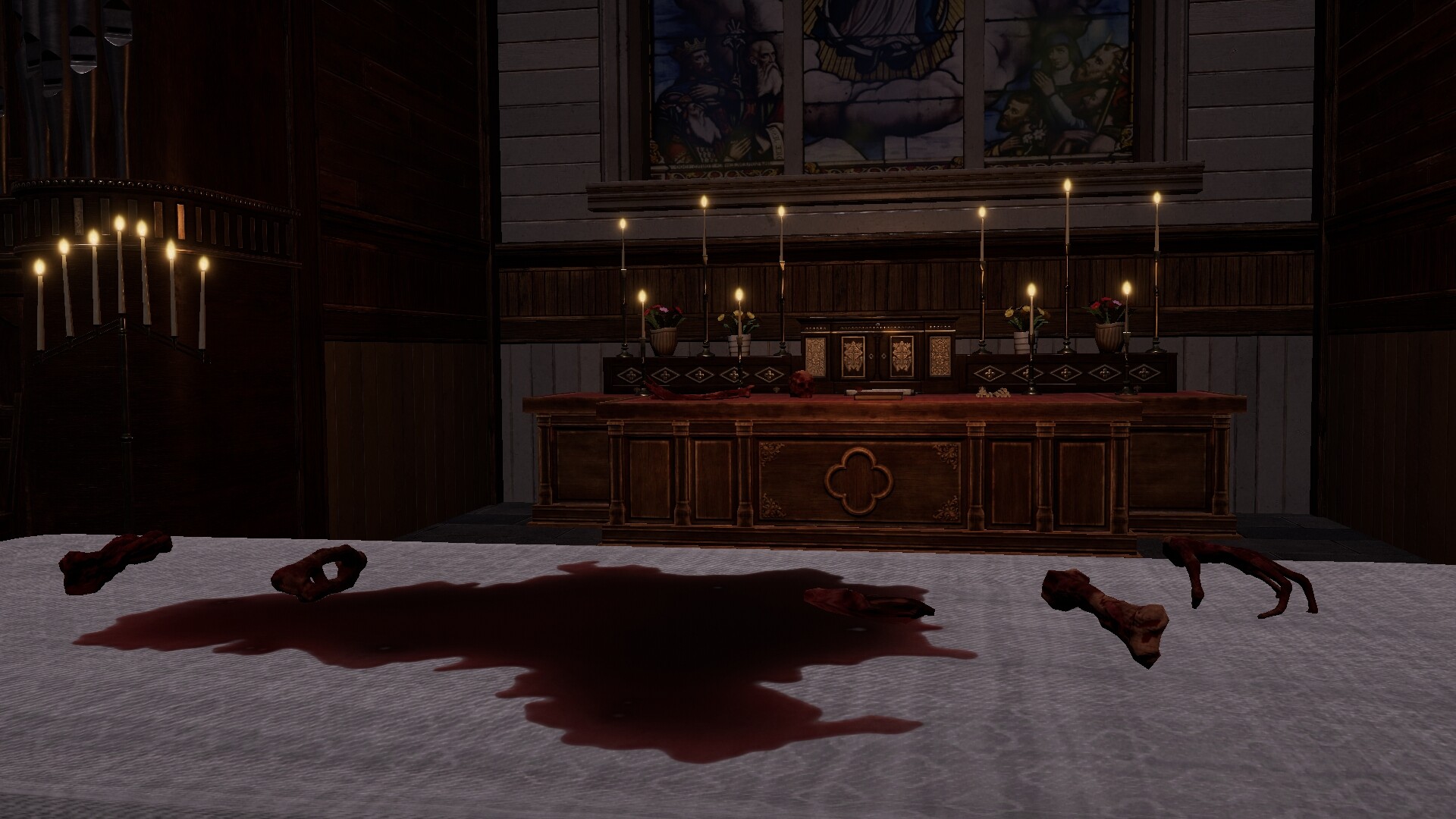
Player scenarios — who should wishlist it
- Solo sleuths who keep notes: If you enjoy pausing to transcribe serial numbers, revisit rooms with new context, and stitch together timelines from small items, this environment-first design will reward you.
- Atmosphere-and-story players: If a slow, tense mood and a personal motive (Jin’s search for his sister) helps sell the stakes of each discovery, the game uses those beats to make each solved puzzle feel consequential.
- Puzzle collectors who dislike reflex tests: The “playable without timed input” tag and emphasis on locked secrets mean you won’t be penalized for methodical play; this fits players who want to think rather than react.
- Not ideal for speedrunners or co-op groups: Steam categories mark it single-player; if you prefer fast-paced action or multiplayer escape-room chaos, other titles may be a better fit.
How it compares — three nearby reference points
| Title | Release | Primary puzzle style | Player mode | Atmosphere / pacing |
|---|---|---|---|---|
| The Room | 28 Jul, 2014 | Mechanical puzzle-boxes and safe-style puzzles; tactile, single-focus contraptions | Single-player | Locked, intimate, deliberately mysterious; puzzle-by-puzzle reveals |
| The Room Two | 5 Jul, 2016 | Expanded, multi-stage mechanical and
Steam pageView Trace of the Villa on Steam YouTube discoveryFor trailer and gameplay discovery, use YouTube search rather than relying on unverified embeds: Find Trace of the Villa trailer and gameplay searches on YouTube. CommentsMore posts |
Leave a Reply