
Trace of the Villa: an inspection-heavy mystery built around object logic and environmental puzzles
Trace of the Villa (Steadyturtle Co., Ltd.) places you in a decaying mansion where piecing together manifests, encrypted fragments and restored systems is the only route forward. It’s a slow-burn, single-player, clue-driven investigation that privileges locked-room thinking, close inspection and chained discoveries over reflex or combat.

| Title | Trace of the Villa |
|---|---|
| Steam AppID | 3483660 |
| Release date | 28 May, 2026 |
| Developer | Steadyturtle Co., Ltd. |
| Publisher | Steadyturtle Co., Ltd. |
| Genres | Action, Adventure, Indie |
| Categories / accessibility | Single-player; Color Alternatives; Custom Volume Controls; Playable without Timed Input; Subtitle Options; Family Sharing |
| Official short description | Jin has spent years searching for his missing sister, pursuing leads that took him to a remote, decaying mansion where he recovered manifests and hints that indicate his sister may still be alive, somewhere at the end of the trail he is about to follow. |
Who this game is for
If you enjoy methodical puzzle adventures that reward cataloguing objects, reassembling timelines and following logical clue chains, Trace of the Villa is aimed at you. The presence of “Playable without Timed Input” and subtitle options on Steam signals a measured pace and accessibility for players who prefer inspection and deduction over twitch reflexes or multiplayer pressure.
What the game is
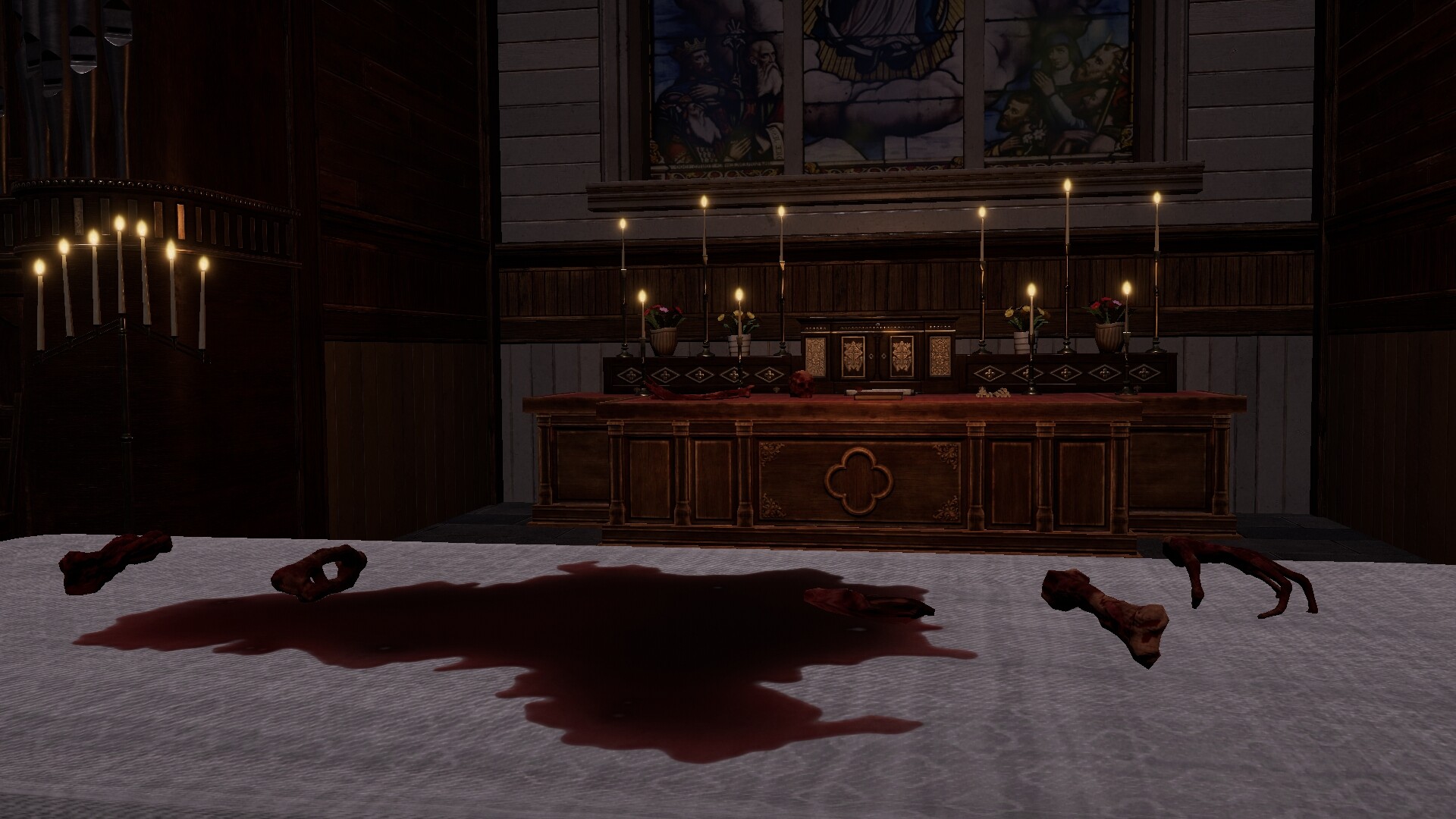
From the official Steam description: you play as Jin, an investigator driven by a personal missing-persons lead. The mansion setting is presented as deliberately erased — furnished rooms with absent identities, locked doors and sealed secrets. Gameplay, as described on Steam, includes restoring power to the estate, reactivating secured systems, unlocking hidden compartments and opening safes that yield fragments of encrypted documents and suspicious transfer records. The structure is essentially an environmental, clue-driven investigation layered into an atmospheric mansion mystery.
When and where
Trace of the Villa launched on Steam on 28 May, 2026 and is distributed by its developer/publisher, Steadyturtle Co., Ltd. It is listed on Steam under Action, Adventure and Indie and tagged with single-player and a number of accessibility features relevant to inspection-heavy play.
Why the theme matters — object logic and erased identities
The mansion premise is not just a backdrop: it structures how you approach puzzles. The Steam description repeatedly emphasizes emptied identities and falsified records as narrative hooks, which pushes designers toward puzzles that clarify “who was here” and “what was hidden.” That narrative lean encourages solutions built from assembled evidence—manifests, transfer records, encrypted fragments—so you’ll spend time reading context clues rather than solving isolated mini-games.
How you read the house: locked-room thinking, clue chains and environmental reading
Trace of the Villa’s investigation model, per Steam text, revolves around a few concrete actions: restore power, listen/watch what systems reveal, open previously inaccessible containers, and combine fragments of documents into a timeline. That implies three linked design choices:
- Object logic: items and documents behave as puzzle evidence rather than inventory fodder; the right object or document changes how you interpret other clues.
- Clue chains: progress comes from chaining small discoveries—a safe yields a receipt, the receipt points to a manifest, the manifest changes where you look next.
- Environmental reading: the mansion’s staged rooms and missing identifiers are themselves clues; spatial context and altered systems are intended to be read, not simply traversed.
For players who prefer to catalogue details, cross-reference documents and solve puzzles by inference and elimination, this design is a match. The lack of timed inputs reduces pressure and lets you treat the house as a forensic scene.

Player scenarios — who should wishlist this
Three concrete player profiles that fit Trace of the Villa:
- Inspection-first puzzle fan: You like to pick up objects, read every scrap of text and let a sequence of small discoveries point you to the next room. You value logic chains over hand-eye speed.
- Slow-burn narrative player: You prefer atmosphere and psychological investigation—untangling identities and financial trails gives the story momentum rather than action beats.
- Accessibility-minded solo player: You appreciate subtitle options and “playable without timed input” because you want the pacing of deduction without forced time pressure.
If those fit you, the Steam page’s categories and description suggest Trace of the Villa is worth adding to your wishlist.
How it compares to a few nearby mystery/puzzle titles
Below is a focused editorial comparison on lawful criteria: genre, atmosphere, puzzle focus, exploration style, story tone and pacing. This is comparison for discovery and reader guidance only.
| Title | Genre / Core focus | Puzzle & interaction | Atmosphere, story tone & pacing | Player fit |
|---|---|---|---|---|
| Trace of the Villa | Action / Adventure / Indie | Environmental puzzles, document-led clue chains, restoration of in-game systems (per Steam description) | Mansion mystery, erased identities, slow-burn investigative tone | Players who prioritise inspection, logic chaining, and atmosphere |
| The Room | Adventure / Indie | Mechanical puzzle boxes and tactile object manipulation | Intimate, tactile mystery; focused, chambered pacing | Players who like tightly scoped, object-centric puzzles |
| The Room Two | Adventure / Indie | Similar object puzzles but broader environments and layered sequences | Cryptic, escalating mystery; careful pacing across rooms | Those who enjoyed The Room and want more environmental variety |
| Escape Simulator | Adventure / Casual / Indie / Simulation | Highly interactive rooms; physics interactions, item manipulation, community-made scenarios | Often playful and varied; pacing depends on room design (can be fast or methodical) | Players who want sandbox-y interaction and community puzzles, including co-op |
YouTube discovery
Looking for trailers or gameplay clips? Use this YouTube search path to find videos related to Trace of the Villa; do not assume the top result is an official release unless verified:
Leave a Reply