
Trace of the Villa — an inspection-heavy mansion mystery tuned to locked‑room logic
Steadyturtle’s Trace of the Villa (released 28 May, 2026) is a slow‑burn, atmospheric mystery adventure built around object logic, environmental puzzles, and long clue chains. If you prefer investigation that rewards careful inspection over twitch reflexes, this mansion mystery frames each discovery as a piece of a larger operation rather than a standalone riddle.

Quick facts
| Title | Trace of the Villa |
|---|---|
| Steam AppID | 3483660 |
| Release date | 28 May, 2026 |
| Developer / Publisher | Steadyturtle Co., Ltd. |
| Genres | Action, Adventure, Indie |
| Key Steam categories | Single‑player; Color Alternatives; Custom Volume Controls; Playable without Timed Input; Subtitle Options; Family Sharing |
| Official short blurb | “Jin has spent years searching for his missing sister, pursuing leads that took him to a remote, decaying mansion where he recovered manifests and hints that indicate his sister may still be alive, somewhere at the end of the trail he is about to follow.” |
Who this is for
Trace of the Villa targets players who enjoy measured, inspection‑heavy play: those who like to read environments for context clues, catalogue items, and follow financial or administrative traces rather than relying on action set‑pieces. If you appreciate atmospheric mystery adventure, psychological investigation, and narrative puzzle design—where each unlocked system reveals paperwork, manifests, or encrypted fragments—this is aimed at you.
What the game is
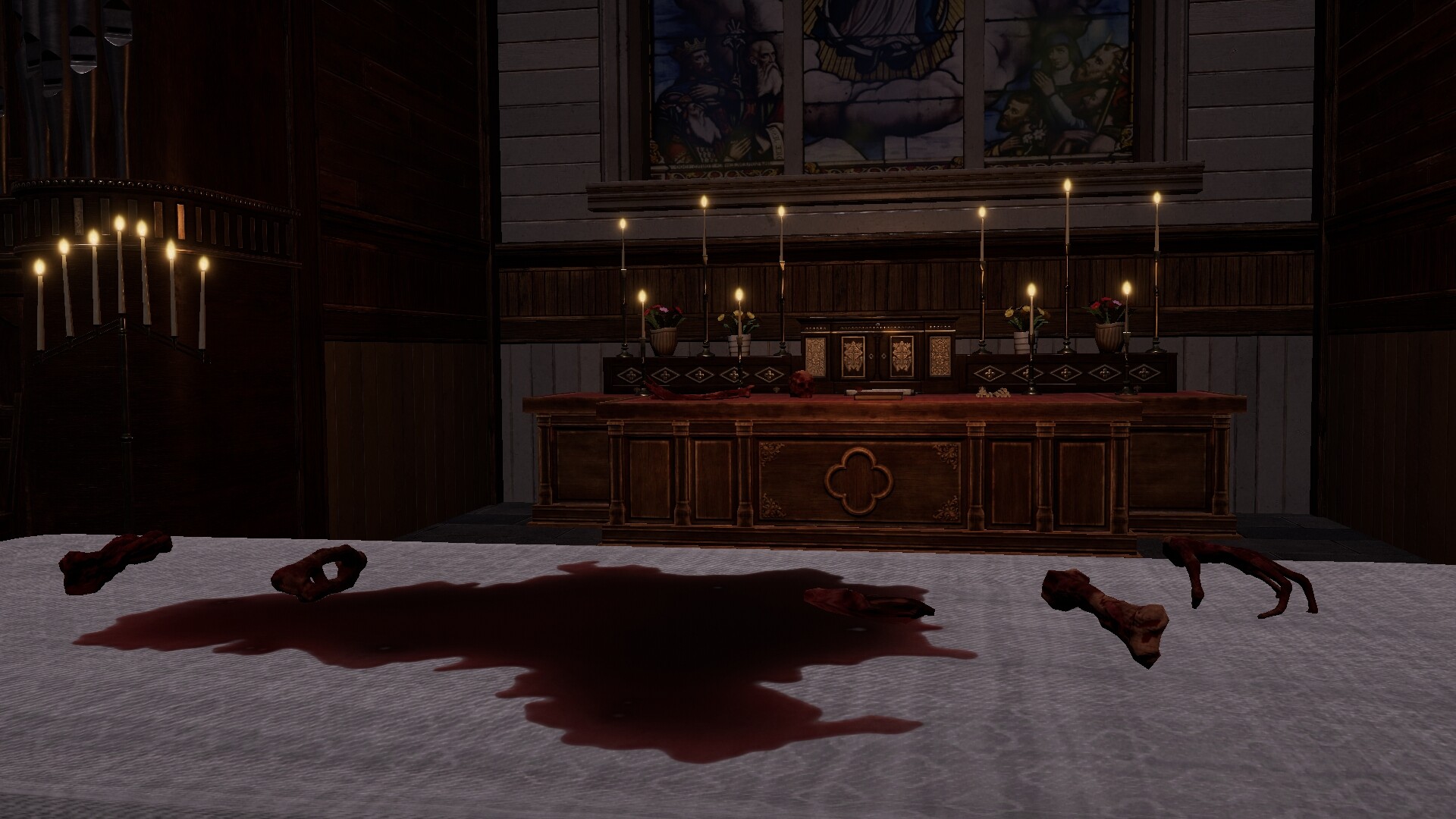
The official description positions Trace of the Villa as a mansion mystery in which the protagonist, Jin, follows leads to a decaying, off‑grid estate. The estate’s rooms “remain furnished as if their occupants vanished mid‑routine,” and restoring power and systems reveals locked compartments, safes, and encrypted documents. The gameplay emphasis described on Steam is investigative: restoring systems, recovering manifests, and piecing together falsified identities and financial trails to build a timeline.

When and where
Trace of the Villa is available on Steam for PC; its Steam release date is 28 May, 2026. The Steam store page lists the developer and publisher as Steadyturtle Co., Ltd., and the store entry includes accessibility and quality‑of‑life categories such as subtitle options and the ability to play without timed input.
Why the theme matters
The mansion setting frames the puzzles as environmental and documentary: missing photographs, erased identities, and financial records are not just narrative texture but the functional gears of progression. That approach shifts the player’s mindset from “solve a locked puzzle” to “reconstruct a system”: understanding why the house was used, who passed through it, and how records were manipulated. The psychological investigation tone—people erased, rooms staged—encourages methodical inspection and pattern recognition across spaces.
How you read clues and progress
- Object logic: Individual items behave like evidence. A recovered manifest or a bank transfer record is meant to be interpreted as part of a chain rather than a one‑off key.
- Environmental puzzles: Restoring power or reactivating systems is a common gating mechanic; when systems come online, new access points and hidden compartments appear.
- Clue chains: Expect linear chains where documents, IDs, and encrypted fragments link together—follow the paperwork trail to build the timeline.
- Inspection focus: The Steam description emphasizes exploration and document recovery; progress depends on careful searching and connecting disparate clues across rooms.
Player scenarios — who should wishlist it
- Quiet investigator: You enjoy reading documents, matching names and dates, and being rewarded by an “aha” when two disparate clues click together.
- Atmosphere‑first player: Slow pacing and heavy environmental storytelling (a mansion that feels “erased”) are more appealing than action beats.
- Puzzle completionist: You like assembling chains of evidence and revisiting areas after restoring systems to find newly revealed compartments.
- Accessibility priority: The store page lists subtitle options and “playable without timed input,” which keeps the focus on thinking rather than reaction speed.
How it compares to other inspection‑ and puzzle‑focused titles
| Title | Genre / Tone | Puzzle focus | Exploration style | Who might prefer it |
|---|---|---|---|---|
| Trace of the Villa | Action / Adventure; mansion mystery, psychological investigation | Document‑driven clue chains, environmental systems, hidden compartments | Single‑player, slow discovery; restoring power reveals new areas | Players who like methodical, story‑led investigation and object logic |
| The Room | Adventure; tactile, occult puzzle box atmosphere | Mechanical, single‑object puzzles that focus on manipulation and inspection | Contained, focused rooms with a pedestal/safe as the central locus | Fans of tactile, highly‑polished object puzzles with short, intense sequences |
| The Room Two | Adventure; expanded atmospheric puzzle crypts | Complex mechanical puzzles and multi‑step devices | Series of set pieces—each environment is a self‑contained puzzle experience | Players who prefer carefully staged puzzle encounters over broad exploration |
| Escape Simulator | Adventure / Simulation; interactive escape room toolbox | Highly interactive object manipulation; physics and combinatorial puzzles | Modular rooms, community levels, emphasis on object interaction and sandboxing | Players who want open interaction, co‑op or community content and toolable puzzles |
Editorial note on comparison: the table is intended as a discovery guide—Trace of the Villa emphasizes environmental storytelling and paperwork‑heavy clue chains, whereas The Room series centers on tactile mechanical puzzles and Escape Simulator on highly interactive room mechanics and community content.
Where to watch trailers or gameplay
Search YouTube for trailers and early gameplay captures using this discovery link (search results may include official and community videos): https://www.youtube.com/results?search_query=Trace+of+the+Villa+trailer+gameplay.
Steam page
Leave a Reply