
Trace of the Villa: an inspection‑heavy mystery built around object logic and environmental puzzles
Trace of the Villa (Steadyturtle Co., Ltd.) is a narrative puzzle adventure centered on careful reading of rooms, chained clues, and locked‑room thinking. Released on 28 May, 2026 for Steam, it stages a slow, investigatory crawl through a decaying mansion where restoring systems and opening hidden compartments is the engine of discovery.

Who this is for
If you prize environmental storytelling, slow‑burn suspense, and puzzles that require repeated inspection of the same objects and rooms, Trace of the Villa is aimed at you. Players who prefer clue chains — where one unlocked drawer or restored circuit leads logically to the next revelation — will find the design rewarding. If you want reflex tests, twitch‑heavy challenges, or multiplayer co‑op escape rooms, this title is not positioned to prioritize those features.
What the game is
Trace of the Villa is presented on Steam as an Action / Adventure / Indie single‑player experience. The premise, as stated in the official Steam description, follows Jin, who has long searched for his missing sister and finally reaches a remote, decaying mansion. Restoring power to the estate brings secured systems back online, hidden compartments unlock, and safes yield fragments of encrypted documents and suspicious transfer records. The narrative and puzzle systems are tied — solving mechanics reveals more of the building’s concealed operation and the timeline of events.
When and where
Trace of the Villa released on Steam on 28 May, 2026. It appears on Steam with standard PC presentation: single‑player support, color alternatives, subtitle options, and accessibility touches such as custom volume controls and “playable without timed input.”
Why the theme matters
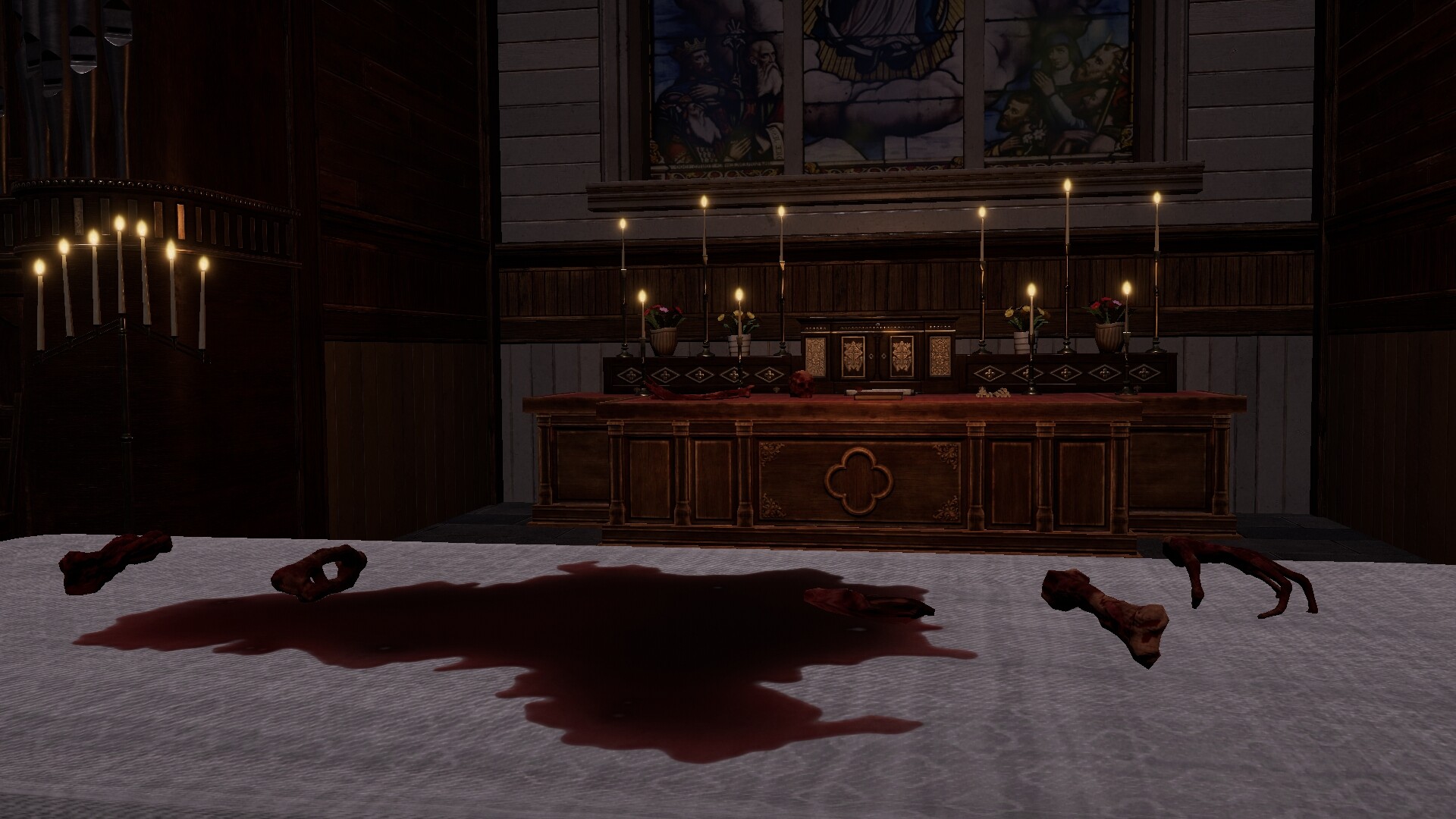
The mansion setting amplifies the editorial focus on object logic and environmental reading. The Steam description emphasizes spaces that feel “erased” rather than simply abandoned — rooms arranged mid‑routine, locked doors concealing “hastily secured secrets,” and financial traces that suggest false identities and controlled movements. That framing makes inspection not just a mechanical act but a narrative method: reading furniture placement, powered systems, and recovered manifests yields both puzzle solutions and story beats.
How you interact with clues and progress
Progress in Trace of the Villa relies on layered discovery. The official copy makes clear that restoring power and reactivating estate systems is a central device: as circuits come online, they reveal new compartments and decryptible fragments. Expect many small, serial puzzles where one solved lock or piece of recovered documentation becomes the input for another mechanic — a classic clue chain. The game’s categories on Steam (including “Playable without Timed Input” and subtitle options) suggest a measured pace that favors inspection over urgency.
Compact facts — Trace of the Villa
| Title | Trace of the Villa |
|---|---|
| Steam App ID | 3483660 |
| Release date | 28 May, 2026 |
| Developer / Publisher | Steadyturtle Co., Ltd. |
| Genres | Action, Adventure, Indie |
| Categories / notable features | Single‑player; Color Alternatives; Custom Volume Controls; Playable without Timed Input; Subtitle Options; Family Sharing |

Player scenarios — how Trace of the Villa fits playstyles
- Object‑logic enthusiast: You enjoy examining items from multiple angles, testing combinations, and building causal chains between clues. The game’s emphasis on safes, manifests, and reactivated estate systems should appeal directly to you.
- Environmental storyteller: You read spaces for narrative detail — furniture arrangement, powered devices, and missing personal markers. The mansion’s “erased identity” motif supports story discovery through exploration rather than exposition.
- Slow‑burn mystery player: You prefer accumulating evidence and letting patterns emerge across rooms. The lack of required timed input and the restoration mechanic make Trace of the Villa a fit for patient play sessions.
- Not ideal if: You want competitive multiplayer, a heavy emphasis on platforming or fast reflex tests, or procedurally generated puzzles; the Steam listing and design focus point toward single‑player, handcrafted investigative puzzles.
How it compares — quick editorial table
| Title | Release | Puzzle / Interaction style | Multiplayer / Tools | Tone & pacing |
|---|---|---|---|---|
| The Room | 28 Jul, 2014 | Single‑room tactile puzzles (safe and mechanism focus); close object inspection | Single‑player | Isolated, tactile, slow‑focused on mechanical puzzle solutions |
| The Room Two | 5 Jul, 2016 | Expanded sequence of inspection puzzles across linked spaces | Single‑player | Cryptic, exploratory; similar slow pacing with layered mechanical challenges |
| Escape Simulator | 19 Oct, 2021 | Highly interactive escape rooms; physics interactions, object manipulation | Solo and online co‑op; level editor available | Fast or casual depending on room; community created variety and sandboxy play |
Editorially, Trace of the Villa sits closer to The Room series on the spectrum of inspection and object logic — it privileges chained discoveries and atmosphere over toy‑box interaction or multiplayer design. Escape Simulator offers more kinetic object play and social co‑op, while The Room entries model the hermetic, mechanism‑first puzzle tone Trace of the Villa appears to echo.
YouTube / trailer discovery
If you want gameplay footage or trailers, use this YouTube search path (results may include gameplay clips and trailers; not every video is official): Search Trace of the Villa trailer & gameplay on YouTube.
Steam listing: Trace of the Villa on Steam
Disclaimer: referenced titles and trademarks are the property of their respective owners. Comparisons are editorial discovery only and not endorsements
Leave a Reply