
Trace of the Villa — an inspection-heavy, locked-room mystery for environmental puzzle fans
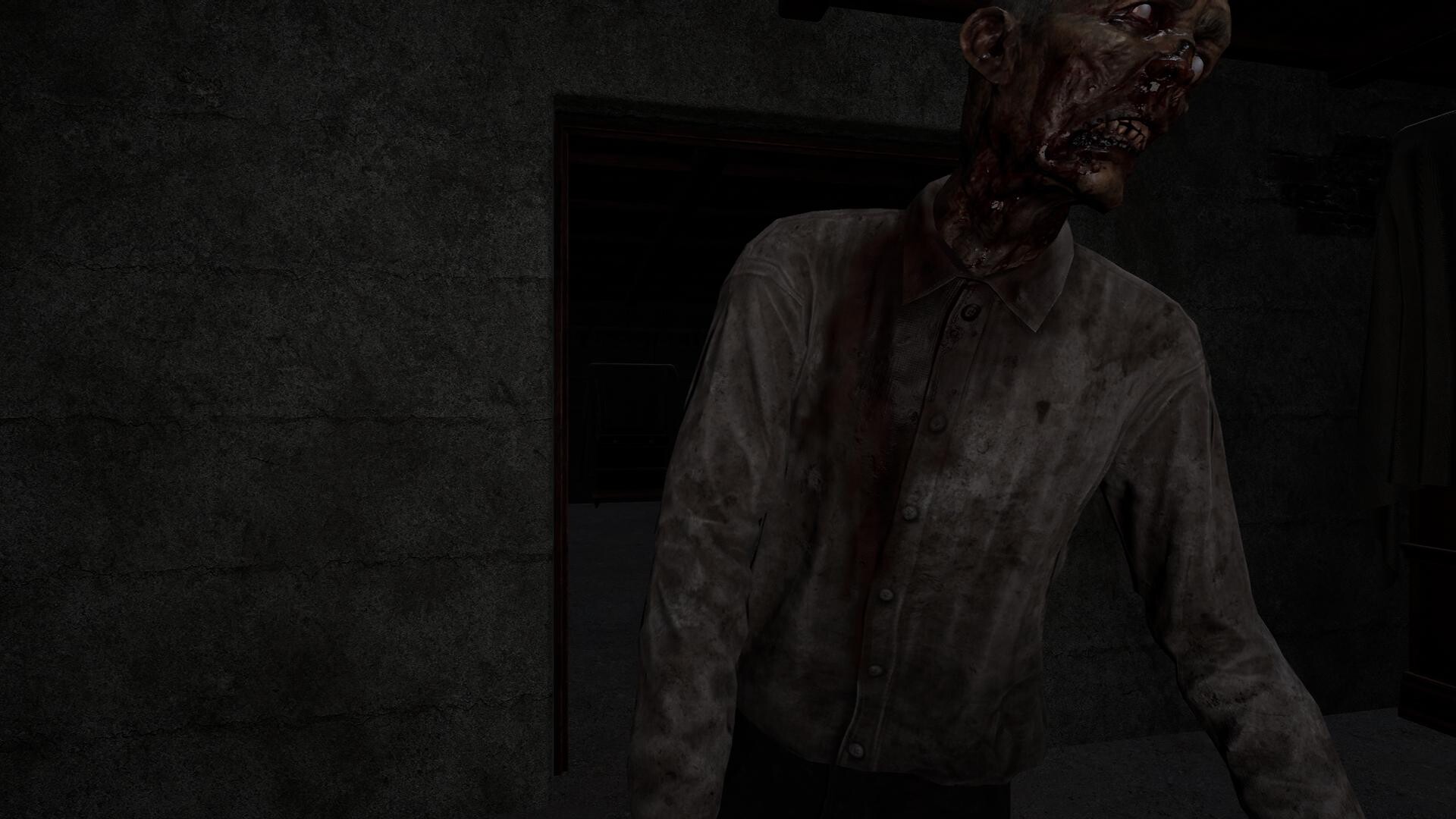
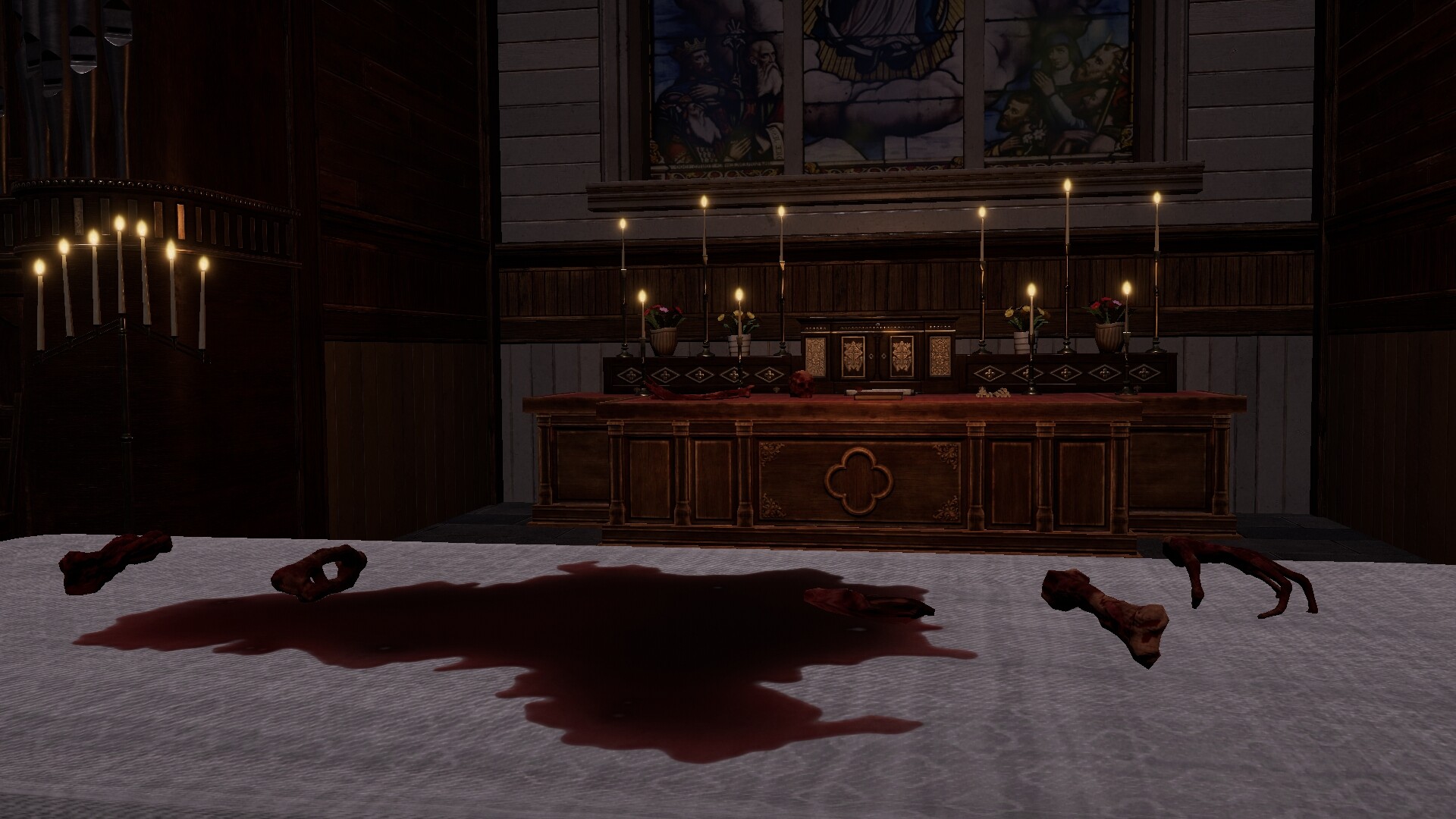
Trace of the Villa drops you into a decaying, deliberately erased mansion where Jin, the protagonist, follows traces that might lead to his missing sister. The game favors close inspection, chained clues and object logic: restore power, open safes and sift encrypted fragments to assemble a disturbing timeline.

Who, what, when and where — the basics
Who: Developed and published by Steadyturtle Co., Ltd., Trace of the Villa casts you as Jin, a searcher chasing leads for a missing sister.
What: An atmospheric mystery adventure with action and indie tags on Steam that leans on environmental storytelling, locked doors, hidden compartments and decrypting fragments recovered from safes and systems.
When & where: Released on 28 May, 2026 for PC on Steam — see the official store page and widget below.
Why the mansion setting matters
The mansion in Trace of the Villa is presented less as a mere location and more as a literal archive of absence: rooms furnished as if people left mid-routine, missing names and photographs, and systems deliberately scrubbed. That design choice foregrounds investigative reading — every object, power switch and recovered manifest can reframe what you think happened. For players who prize narrative puzzle design driven by discovery rather than combat spectacle, a setting that hides identity and records rewards slow, methodical attention.
How clue chains and object logic drive progression
The official description outlines the practical beats you can expect: restoring power brings secured systems back online, hidden compartments become available, and safes yield encrypted documents and suspicious transfer records. Those are explicit signals that progression is largely inspection-driven and chained: one mechanical solution (flip a breaker, unlock a cabinet) opens new evidence, and that evidence prompts the next lock to tackle. If you enjoy tactile, evidence-based puzzle chains where the environment supplies both puzzles and context, Trace of the Villa is designed around that rhythm.
Who should wishlist this on Steam?
- Players who prefer inspection-heavy gameplay and object logic over reflex-based sequences.
- Fans of slow-burn, story-rich adventures that use environmental storytelling to reveal plot rather than expositional cutscenes.
- Locked-room thinkers who enjoy chaining small solutions into a larger investigative arc (restore a system → unlock a compartment → decode a fragment → follow the next lead).
Concrete player scenarios
Scenario A — The Methodical Reader: You like to stop, scan bookshelves and notes, then build a timeline from scraps. Trace of the Villa’s deleted records and encrypted fragments reward that habit: every recovered manifest can change the narrative map.
Scenario B — The Puzzle Collector: You enjoy discrete puzzle moments that connect logically. If the idea of finding a breaker, flipping it, and watching a previously dark monitor reveal a new clue is satisfying, this game embraces that loop.
Scenario C — The Atmosphere-First Explorer: You play for mood and implied backstory. The mansion’s “erased” quality—rooms intact but identities removed—creates psychological suspense that builds through objects rather than explicit scares.
Compact facts — Trace of the Villa
| Title | Trace of the Villa |
|---|---|
| Steam AppID | 3483660 |
| Developer / Publisher | Steadyturtle Co., Ltd. |
| Release date | 28 May, 2026 |
| Genres | Action, Adventure, Indie |
| Categories | Single-player; Color Alternatives; Custom Volume Controls; Playable without Timed Input; Subtitle Options; Family Sharing |
| Short premise | Jin searches a remote, decaying mansion for clues that might lead to his missing sister. |
How Trace of the Villa compares (editorial discovery)
Below is a focused comparison with nearby mystery and escape-room style titles, limited to lawful editorial criteria: genre, atmosphere, puzzle focus, exploration style, story tone, pacing and the kind of player each suits.
| Title | Genre / Atmosphere | Puzzle focus | Exploration style | Story tone / Pacing | Player fit |
|---|---|---|---|---|---|
| Trace of the Villa | Action / Adventure / Indie — mansion mystery, erased identities | Object logic, systems restoration, safes & encrypted fragments (inspection-heavy) | Single-player, environment-as-evidence, chained discovery | Slow-burn, investigatory, gradually revealing | Players who like methodical clue chaining and environmental storytelling |
| The Room | Adventure / Indie — claustrophobic single-room mystery | Mechanical, tactile puzzles focused on a central safe/object | Focused, single-room puzzle exploration | Atmospheric and pinpointed; puzzle-forward pacing | Fans of tightly designed object puzzles and tactile solutions |
| The Room Two | Adventure / Indie — cryptic, multi-room but still puzzle-centred | Layered mechanical puzzles that expand beyond a single object | Sequential room-to-room puzzle progression | Measured, puzzle-driven; maintains a focused mystery tone | Players who enjoy expanding mechanical complexity across spaces |
| Escape Simulator | Adventure / Casual / Indie — interactive escape-room toolbox | Highly interactive object manipulation; physics and inventory interactions | Varied rooms, sandbox interactions, community-made content | Variable—can be fast or slow depending on room design | Players who like physical interactivity, co-op or editable rooms |
YouTube discovery
If you want visual impressions, use this YouTube search path to find trailers and gameplay clips (note: use the search to discover available videos; not all results are official): Search Trace of the Villa trailers & gameplay on YouTube.
Leave a Reply