
Trace of the Villa review context: an inspection-first mansion mystery for slow-burn puzzle players
Trace of the Villa places you in a decaying, deliberately forgotten mansion where Jin follows manifests and hints that may point to his missing sister — a setup built for methodical observation and chained clue-solving. Released on 28 May, 2026 by Steadyturtle Co., Ltd., the game leans on environmental storytelling, locked-room logic, and inspection-heavy puzzles rather than twitch reflexes.


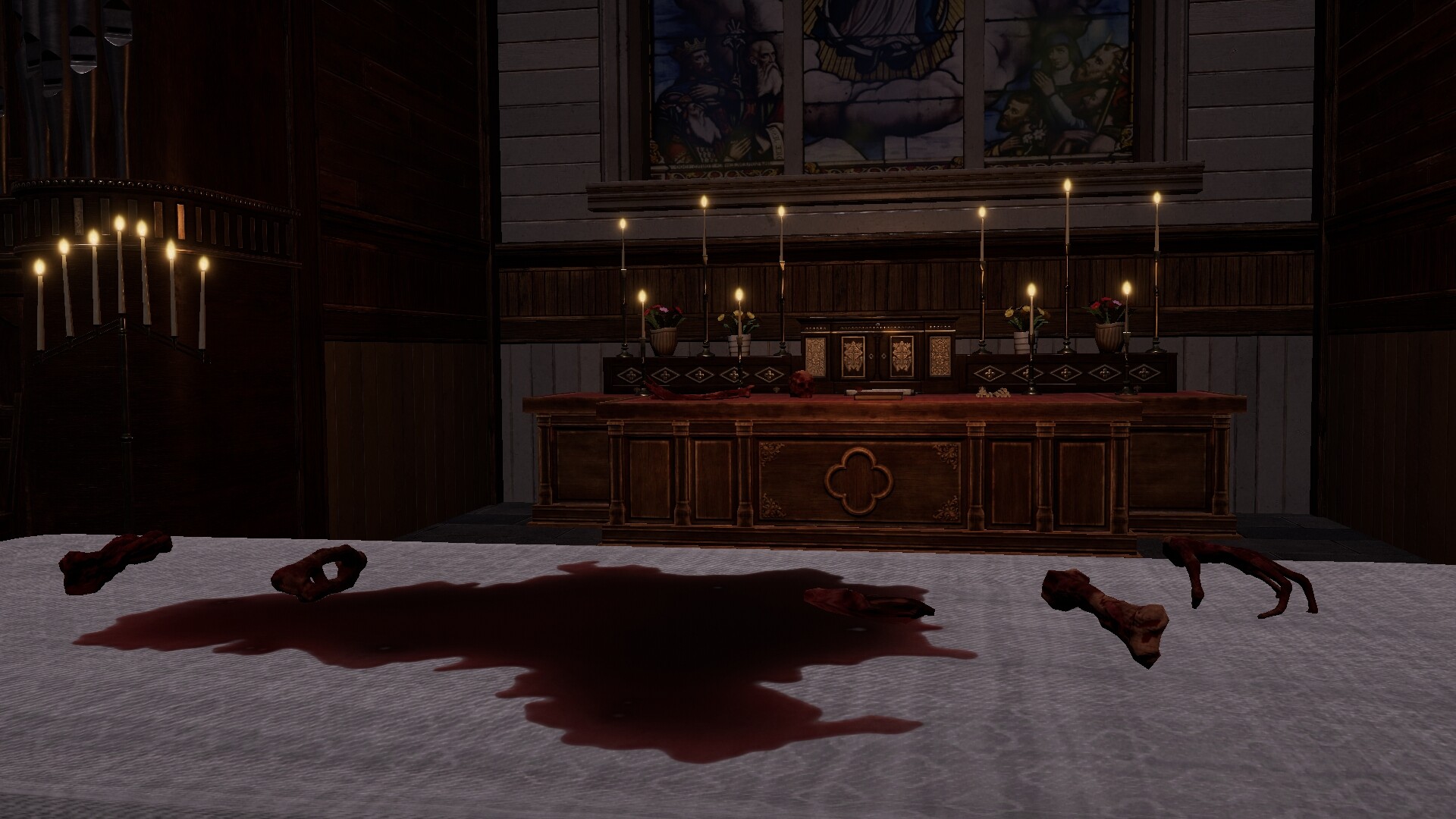
Quick facts
| Title | Trace of the Villa |
|---|---|
| Steam AppID | 3483660 |
| Release date | 28 May, 2026 |
| Developer / Publisher | Steadyturtle Co., Ltd. |
| Genres | Action, Adventure, Indie |
| Notable categories | Single-player; Color Alternatives; Custom Volume Controls; Playable without Timed Input; Subtitle Options; Family Sharing |
| Official short description | Jin has spent years searching for his missing sister, pursuing leads that took him to a remote, decaying mansion where he recovered manifests and hints that indicate his sister may still be alive, somewhere at the end of the trail he is about to follow. |
Who should wishlist Trace of the Villa?
This is for players who favour methodical, inspection-heavy play: those who enjoy scanning rooms for objects, reading implied histories from how a space was left, and following chained clues across multiple locations. The Steam listing signals a single-player, low-pressure experience (it lists “Playable without Timed Input” and “Subtitle Options”), so it also suits players who dislike twitch challenges and prefer puzzles that reward careful observation and patience.
What the game is — atmosphere and puzzle design
Trace of the Villa frames its puzzles inside a narrative investigation: Jin restores power, unlocks hidden compartments, and unravels financial and identity traces left behind. Those official details point to two chief design elements: object logic (items and documents have specific, discoverable uses) and environmental puzzles (the mansion’s state changes trigger new information). Expect puzzles to act as narrative nodes rather than isolated mechanical tests.
When and where to find it
Trace of the Villa released on Steam on 28 May, 2026. It’s available on the Steam store page for PC; the page lists developer and publisher as Steadyturtle Co., Ltd. and shows categories such as Single-player and options that support accessibility and comfort-minded play.
Why the theme matters — identity, erasure, and investigative pacing
The Steam description emphasizes erased identities and staged absence — rooms furnished yet anonymous, arrivals without records, falsified transfers. That thematic focus pushes designers to encode story into objects and systems: documents, safes, and restored electronics are not just puzzle gates but narrative evidence. For players who value environmental storytelling, this makes the act of searching feel like assembling a timeline rather than unlocking a series of abstract mini-games.
How you progress — reading chains of clues
The listed features and official copy describe a progression loop centered on restoration and discovery: restore power, bring systems online, access locked compartments, and decode fragments that point to the next area. That is classic locked-room thinking translated to a multi-room estate: each solved puzzle yields contextual evidence that changes how you read subsequent rooms. If you enjoy tracing logic across objects and documents — connecting a ledger entry to a safe combination, or a manifest to a locked door — this game’s structure is tailored for you.
Player scenarios — three ways this plays out
- Solo slow-burn investigator: You turn audio up, pause frequently, and catalogue names, dates, and items in a notepad. The lack of timed inputs supports long, uninterrupted reads of environmental detail.
- Completionist archivist: You want every manifest and document; the game’s focus on falsified identities and records rewards thorough backtracking and cross-referencing.
- Atmosphere-first player: You’re less interested in mechanical complexity and more in how a setting communicates a vanished life. The mansion’s staged rooms are the core draw.
How Trace of the Villa compares to nearby mystery and puzzle titles
Below is an editorial comparison focused on genre, atmosphere, puzzle focus, exploration style, story tone, and pacing to help you decide fit rather than to make claims of superiority.
| Title | Genre | Puzzle focus | Exploration style | Story tone | Pacing / Player fit |
|---|---|---|---|---|---|
| The Room | Adventure, Indie | Mechanical puzzle boxes, tactile object manipulation | Single-location, focused on a single locked device | Mysterious, intimate, tactile | Best for players who like concentrated puzzle boxes and tactile solutions |
| The Room Two | Adventure, Indie | Chained mechanical puzzles with a flowing progression | Multiple connected locations with thematic variety | Cryptic, escalating mystery | Good for players who want a series of tightly designed, atmospheric puzzles |
| Escape Simulator | Adventure, Casual, Indie, Simulation | Highly interactive escape-room mechanics; physics and object interaction | Room-based sandbox with community-made variety | Playful to tense depending on room | Best if you want highly interactive objects and co-op or community content |
| Trace of the Villa | Action, Adventure, Indie | Object logic, environmental puzzle chains, document-based clues | Large multi-room mansion; progression via restored systems and hidden compartments | Psychological investigation, erasure and mystery | Ideal for players who prefer slow-burn, inspection-heavy narrative puzzles |
Accessibility and comfort notes
Steam categories list options that matter to inspection-heavy players: “Playable without Timed Input” and “Subtitle Options” are present, and “Custom Volume Controls” and “Color Alternatives” suggest a degree of accessibility and comfort tuning. The first-person pacing implied by the description suits players who want low-pressure investigation.
YouTube discovery
If you prefer to preview gameplay and trailers via video search, use this YouTube discovery path (search results may include trailers, gameplay
Steam page
View Trace of the Villa on Steam
YouTube discovery
For trailer and gameplay discovery, use YouTube search rather than relying on unverified embeds: Find Trace of the Villa trailer and gameplay searches on YouTube.
Leave a Reply