
Trace of the Villa — an escape-room style mystery built around power, safes, and paper trails
Trace of the Villa places you in a decaying, off-grid mansion where Jin follows manifests and hints that may lead to his missing sister. The game frames its puzzle logic around restoring systems, opening secured compartments and safes, and reading fragments of encrypted documents to assemble a timeline.

Quick facts
| Title | Trace of the Villa |
|---|---|
| Steam AppID | 3483660 |
| Developer / Publisher | Steadyturtle Co., Ltd. |
| Release date | 28 May, 2026 |
| Genres | Action, Adventure, Indie |
| Categories | Single-player; Color Alternatives; Custom Volume Controls; Playable without Timed Input; Subtitle Options; Family Sharing |
| Official premise | Jin has spent years searching for his missing sister. A lead to a remote, decaying mansion yields manifests and hints suggesting she may still be alive. |
| Steam reviews | No user reviews (as listed on the Steam page). |
Who this fits
If you prefer slow-burn, story-rich mystery on PC where environmental reading and chained clues carry the investigation, Trace of the Villa will be pitched at you. Players who enjoy atmospheric mansion mysteries, puzzle sequences that depend on restoring systems and accessing secured storage, and a narrative anchored to a personal search (the protagonist Jin) should consider wishlisting.
What the game is
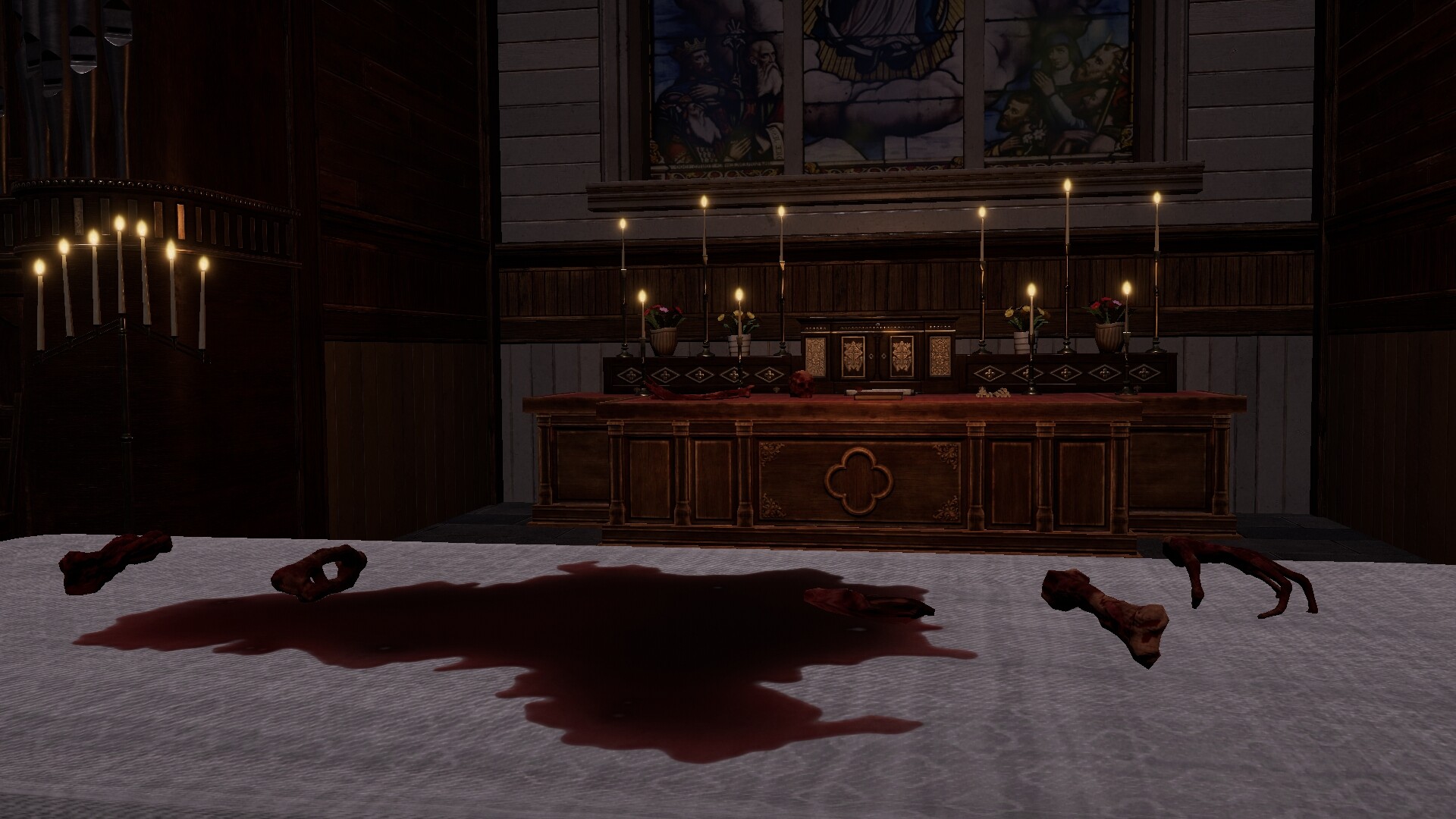
Trace of the Villa is a single-player, narrative-driven adventure that leans on exploration and document-based investigation rather than combat or timed reflex puzzles. The official description frames the mansion as “deliberately forgotten”: rooms appear as if their occupants vanished mid-routine, locked doors and hastily secured secrets hide fragments of a larger operation, and recovered manifests point toward falsified identities and suspicious transfer records.

When and where
Trace of the Villa released on Steam on 28 May, 2026. The game is available through its Steam store page: Trace of the Villa on Steam.
Why the theme matters: power, systems, safes, documents
The core mechanical premise is explicit in the official description: when Jin restores power to the estate, the house begins to reveal what it was hiding. That specific beat—reintroducing electricity to reactivate secured systems—turns environmental storytelling into a puzzle tool. Safes and hidden compartments yield fragments of encrypted documents and suspicious transfer records; those paper trails become logic nodes in a larger clue web. For players who appreciate investigative pacing driven by systems coming back online, that is the defining hook.
How you read clues and progress
Progression is described as a chain reaction: restore power to reactivate systems; secured systems unlock hidden compartments; safes yield documents and manifests; documents expose financial trails, falsified identities, and movement patterns. The experience emphasizes observation and inference—piecing together arrivals without records and departures without witnesses—so success depends on connecting environmental prompts to document fragments and system outputs rather than trial-and-error action.
Player scenarios — specific tastes and expectations
- Quiet investigator: You like methodical examination of rooms, reading manifests and encrypted notes, and following a breadcrumb trail across locked systems. Expect slow, clue-driven progression.
- Atmosphere-first player: You care about mood, set dressing, and the sense of an erased history. The mansion’s staged interiors and the idea of “identities removed” are the draw.
- Document sleuth: If you enjoy assembling timelines from financial trails, transfer records, and falsified identities, this game foregrounds that kind of detective work.
How it compares to nearby mystery and puzzle titles
Below is an editorial comparison based on genre, atmosphere, puzzle focus, exploration style, story tone, and pacing. These are neutral observations for players deciding fit, not claims of superiority.
| Title | Genre / Focus | Atmosphere & Story Tone | Puzzle / Exploration Style | Player fit |
|---|---|---|---|---|
| Trace of the Villa | Action / Adventure / Indie — story-led investigation | Decaying mansion, erased identities, personal search for Jin’s sister; slow-burn suspense | Restoring power, reactivating systems, opening safes, reading manifests and encrypted documents | Players who want document-driven mystery and environmental clue chains |
| The Room | Adventure / Indie — tactile puzzle box | Secluded, claustrophobic—mystical, intimate tension | Mechanical puzzle boxes and layered safes; tactile object puzzles | Players who prefer compact, handcrafted puzzle locks and physical problem solving |
| The Room Two | Adventure / Indie — expanded exploration of puzzle boxes | Broader locales with the same eerie, object-centered tone | Complex puzzle sequences and environmental puzzles tied to mysterious artifacts | Those who enjoyed The Room and want more varied scenes and layered puzzles |
| Escape Simulator | Adventure / Simulation / Indie — interactive escape-room toolkit | Varied tones depending on rooms; sandbox approach | Highly interactive object manipulation, community-made rooms, physics-driven interactions | Players seeking high interactivity, co-op options, or custom rooms over linear narrative |
| Hi-Fi RUSH | Action — rhythm-focused combat adventure | Energetic, stylized, upbeat tone | Rhythm-synced action and arcade pacing rather than environmental puzzles | Players after fast-paced action and musical systems, not slow investigative mystery |
Where to watch for trailers and gameplay
For trailer or gameplay search results, the Steam discovery notes recommend YouTube search as a discovery path: Search Trace of the Villa on YouTube. This
Leave a Reply