
Trace of the Villa — an escape-room style mansion mystery where power, safes, and falsified records unlock the story
Trace of the Villa positions you as Jin, a searcher following frayed leads to a remote, decaying mansion; the game leans on locked-room thinking, environmental reading, and chained clues that open secured systems and safes as you restore power. Released 28 May, 2026 by Steadyturtle Co., Ltd., it frames investigation through action-adventure pacing and a tightly focused single-player experience.

Quick facts
| Title | Trace of the Villa |
|---|---|
| Steam AppID | 3483660 |
| Release date | 28 May, 2026 |
| Developer | Steadyturtle Co., Ltd. |
| Publisher | Steadyturtle Co., Ltd. |
| Genres | Action, Adventure, Indie |
| Categories | Single-player; Color Alternatives; Custom Volume Controls; Playable without Timed Input; Subtitle Options; Family Sharing |
| Official short description | Jin has spent years searching for his missing sister, pursuing leads that took him to a remote, decaying mansion where he recovered manifests and hints that indicate his sister may still be alive, somewhere at the end of the trail he is about to follow. |
What the game is — premise and mechanics from the Steam page
The Steam description makes two design commitments you should know before wishlisting: first, the story is driven by investigation — Jin restores power to the estate and the house begins to reveal what it was hiding. Second, the revealed systems are physical and systemic: secured systems come back online, hidden compartments unlock, and safes yield fragments of encrypted documents and suspicious transfer records. The game blends action-adventure structure with puzzle-led discovery rather than an inventory-heavy adventure or arena combat title.
Where and when — Steam availability
Trace of the Villa is available on Steam with a release date of 28 May, 2026. The Steam page lists the game as single-player and flags accessibility and settings such as color alternatives, custom volume controls, subtitles, and the option to play without timed input.

Why the theme matters — context for players who like locked-room and environmental puzzles
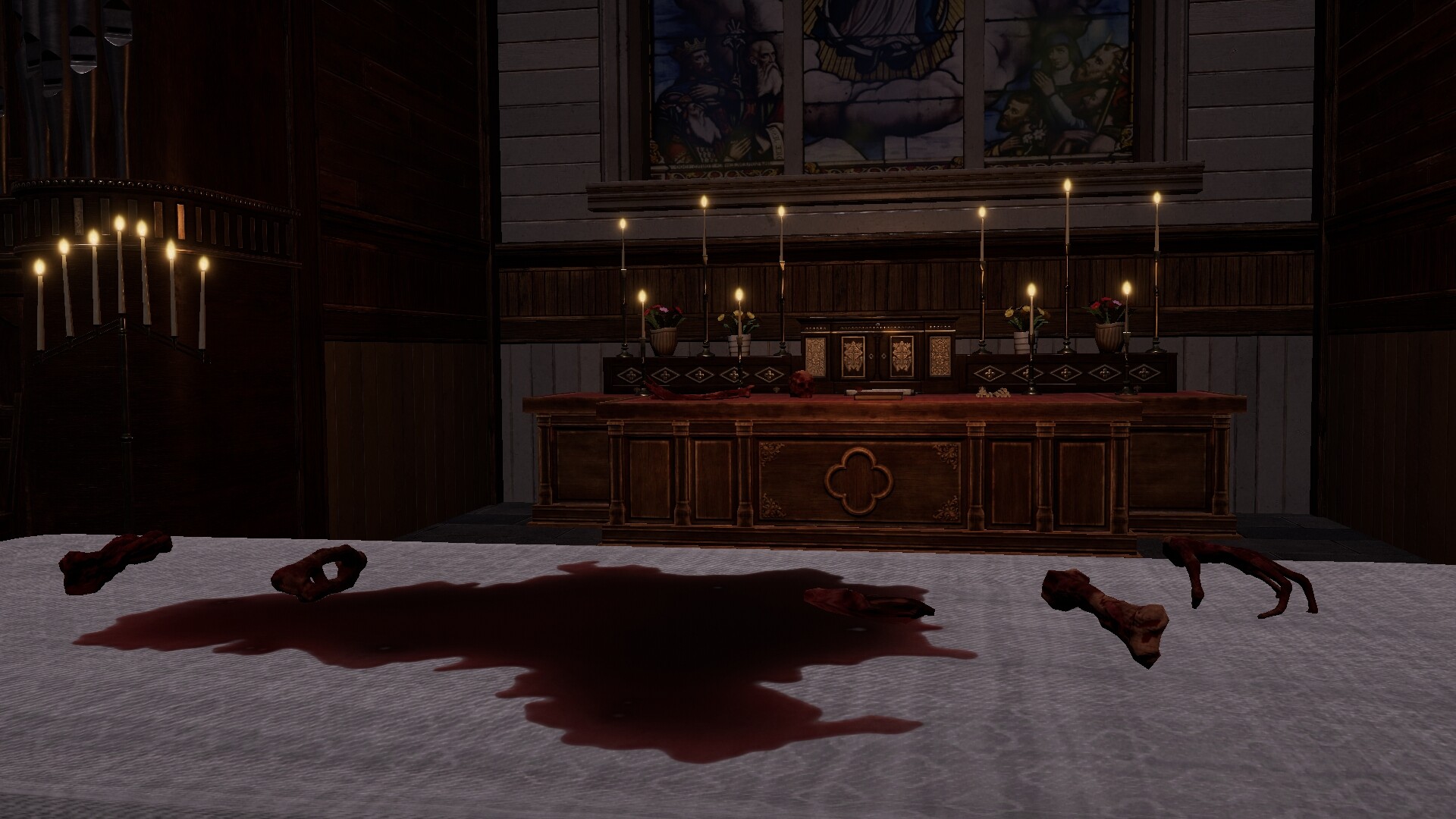
Trace of the Villa centers on “locked-room thinking”: the mansion is physically isolated and deliberately off-grid, and the narrative reward is procedural — restore power, bring systems back online, and gain new access. That structure privileges environmental reading (what the rooms show about past occupants) and clue chains (documents, manifests, encrypted fragments, suspicious transfers) over combat or timed reaction tests. If you enjoy piecing together identity through objects and records, that investigative loop is the game’s core promise as presented on Steam.
How you progress — reading the house and chaining clues
The official text lays out progression as consequence: when Jin restores power to the estate, secured systems reactivate, hidden compartments unlock, and safes reveal encrypted documents and records. That describes a mechanics loop where environmental evidence (manifests, personal effects, falsified identities) becomes a chainable set of clues. Expect puzzles that reward careful observation, cross-referencing documents and in-world systems, and using newly restored electronics or locks to access later layers of the narrative.
Who should wishlist this game?
- Players who prefer single-player, narrative-first mystery adventures with investigation mechanics rooted in environment and documents.
- Fans of slow-burn, atmospheric mansion mysteries where uncovering institutional or financial traces is part of the plot.
- Players who value accessibility options (subtitles, custom volume, color alternatives) and who prefer no-timed-input puzzle solves.
Player scenarios — how this game will likely feel in practice
Scenario A — The methodical reader
You move slowly, read manifests and ledger fragments, cross-check dates and transfers, and return to a previously visited room once a system restores. The game’s design (as described on Steam) supports that loop because restoring power directly unlocks new layers.
Scenario B — The atmosphere-first explorer
You prioritize mood and setting: preserved rooms, objects left mid-use, and the sense that identities have been scrubbed. The narrative payoff is primarily archival — discovering what the mansion was used for and why people vanished from their routines.
Scenario C — Puzzle-chain specialist
You focus on the mechanical chain: a restored electrical panel powers a terminal, the terminal decrypts a safe’s schematic, the safe contains transfer records that point to another locked room. The Steam description explicitly references this kind of chained unlocking.
How Trace of the Villa compares to nearby puzzle/mystery titles
Below is an editorial comparison focused on genre, atmosphere, puzzle emphasis, exploration style, story tone, and pacing — not on sales, ratings, or endorsements.
| Title | Genres | Atmosphere & story tone | Puzzle / exploration focus | Pacing & player fit |
|---|---|---|---|---|
| Trace of the Villa | Action, Adventure, Indie | Decaying mansion, deliberately off-grid, identities erased; investigative and suspenseful. | Document-driven clue chains, restoring power to systems, safes and encrypted fragments (official description). | Slow-burn investigative pacing; single-player; accessible options for no timed input. |
| The Room | Adventure, Indie | Locked, intimate, tactile puzzle-box mystery in an abandoned house attic. | Focus on physical puzzle devices and a single central safe/lock object. | Meticulous puzzle-box pacing; suited to players who like tactile mechanical puzzles. |
| The Room Two | Adventure, Indie | Cryptic, atmospheric exploration across new, surreal environments. | Puzzle pedestals and environmental contraptions; less document-led, more object-mechanic-led. | Similar to The Room: focused puzzle resolution for single players who enjoy layered mechanical puzzles. |
| Escape Simulator | Adventure, Casual, Indie, Simulation | Bright, interactive escape rooms with sandbox interaction. | Highly interactive environments, physics interactions, and community-made rooms; emphasis on object manipulation. | Faster, puzzle-room tempo; good for players who want hands-on interaction or co-op play (community content). |
| Hi-Fi RUSH | Action | Energetic, music-driven combat world (not a mystery/puzzle focus). | Combat and rhythm mechanics; minimal relevance to document-based investigation. | Fast-paced action; appeals to players who prefer rhythm and combat over investigative pacing.Steam page
View Trace of the Villa on Steam YouTube discoveryFor trailer and gameplay discovery, use YouTube search rather than relying on unverified embeds: Find Trace of the Villa trailer and gameplay searches on YouTube. CommentsMore posts |
Leave a Reply